

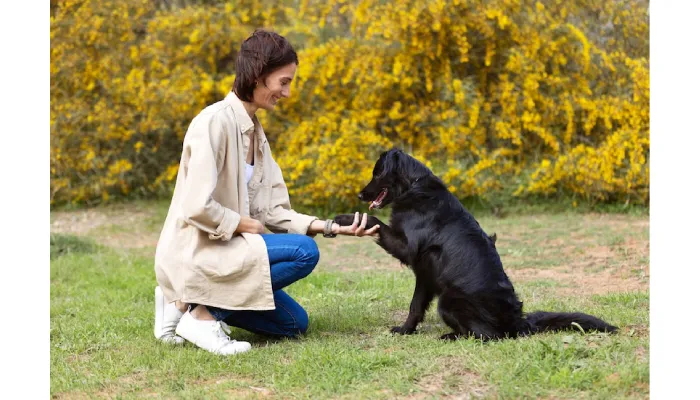
When an animal behavior expert testifies in court, it’s a careful process that aids in understanding complex cases. These experts bring specialized knowledge to situations involving animal aggression, cruelty, or other behaviors. They begin by reviewing the case thoroughly and preparing a formal deposition. Once in court, they are accepted as experts based on their qualifications and experience. The expet first discusses their findings clearly during direct examination before facing rigorous questioning from opposing lawyers. Their testimony can greatly influence case outcomes by providing vital insights into animal behavior. By remaining calm and factual, they support both legal arguments and the pursuit of justice for all
1. Definition of Expert Witness
An expert witness animal behavior testimony is a person with specialized knowledge that relates directly to a legal case. They help make complex issues clearer for judges and juries by providing informed opinions based on their expertise. To be recognized as an expert, individuals must have relevant education, training, or practical experience in their field, such as animal behavior. These witnesses can be called upon in various legal situations, including civil, criminal, or administrative cases. Their goal is to clarify facts that might be beyond the understanding of an average person. In animal behavior cases, for instance, their insights can reveal the motivations behind an animal’s actions. The credibility of an expert witness is vital, as it can significantly influence how their testimony is perceived in court. They are often required to present written reports of their findings before the trial, further establishing their authority and the reliability of their methods. It is crucial that expert witnesses remain impartial and base their opinions on scientific evidence, adhering to established practices within their field.

2. Role of Animal Behavior Experts
Animal behavior experts play a crucial role in legal cases involving animals. They dive deep into studying the actions and reactions of animals to understand their behavior patterns. This expertise is vital, especially in cases of animal aggression, abuse, or other behavioral issues, where their informed opinions guide the court. These experts typically have backgrounds in fields like veterinary science, psychology, or ethology, which equip them with the knowledge needed to analyze complex behaviors. For example, they might determine if a dog bit out of fear, aggression, or in reaction to specific stimuli.
In their evaluations, experts also consider the environment in which the animal was kept, as this context can significantly influence behavior. Their insights help clarify the responsibilities of pet owners and the implications of an animal’s behavior on public safety. Additionally, they assess the mental state of the animal involved, which can be critical in understanding the case.
During their testimony, these experts educate juries about animal behavior, breaking down myths and misconceptions that could affect legal decisions. For instance, they may explain that not all aggressive behavior stems from a malicious intent, helping the jury to see the bigger picture in cases involving custody disputes over pets or claims of emotional distress related to animal behavior. Their collaboration with law enforcement and animal welfare organizations further ensures that a comprehensive view of the situation is presented.
3. Preparation for Testimony
Preparation for testimony as an animal behavior expert is crucial for delivering effective and credible insights in court. It begins with a thorough review of case materials and evidence provided by both parties. Experts dive into the specifics of the incident, closely examining witness statements and relevant reports to grasp the context fully. They often draft a deposition, which serves as a formal record of their opinions and findings under oath. This document allows both sides to understand the expert’s perspective and helps frame the testimony.
Gathering relevant research and case studies is also essential, as it bolsters their testimony with credible evidence. For instance, if an expert is testifying about aggressive dog behavior, citing established studies on canine aggression can enhance their authority. Practicing responses to potential questions is another key step; it helps experts feel more confident during their actual testimony. They must also anticipate challenging questions from opposing counsel, preparing factual rebuttals to maintain their credibility.
Understanding courtroom procedures and etiquette is vital for presenting oneself professionally. Experts may consult with legal teams to ensure their testimony aligns with the overall case strategy. Reviewing transcripts of previous testimonies in similar cases can provide valuable insights, helping them avoid common pitfalls and leverage effective strategies. Staying organized and having all materials readily accessible is crucial, as it facilitates a smooth testimony process.
- Preparation starts with a detailed review of the case materials and evidence provided by both parties.
- Experts should familiarize themselves with the specifics of the incident, including witness statements and reports.
- They often prepare a deposition, which serves as a formal record of their opinions and findings under oath.
- Gathering relevant research and case studies can help support their testimony and reinforce their credibility.
- Practicing responses to potential questions can help experts feel more confident during the actual testimony.
- They should also anticipate challenging questions from opposing counsel and prepare factual rebuttals.
- Understanding courtroom procedures and etiquette is essential for presenting oneself professionally.
- Experts may consult with legal teams to align their testimony with the overall strategy of the case.
- Reviewing transcripts of previous testimony in similar cases can provide valuable insights into common pitfalls and effective strategies.
- Staying organized and having all materials readily accessible will facilitate a smooth testimony process.
4. Courtroom Procedure
Upon arriving at court, animal behavior experts typically wait to be called to testify, remaining quiet and professional, as discussing the case beforehand could lead to complications. To establish their credibility, they must present proof of their qualifications and experience. The judge conducts a voir dire, which is a preliminary examination to assess the expert’s qualifications. During this process, questions may revolve around their education, experience, and the methodologies they utilized in their evaluations.
Once deemed qualified, the expert takes the stand and is sworn in, ready to provide their testimony. Maintaining courtroom decorum is essential; experts must uphold professionalism throughout the proceedings, steering clear of any actions that could be perceived as biased or partisan. Their demeanor plays a crucial role in how their testimony is received, so calmness and confidence are vital.
Experts are prepared to explain complex concepts in simple terms, making it easier for the jury to grasp the nuances of animal behavior. They must also be ready for direct and cross-examination, which requires adaptability in their responses. For instance, if an opposing attorney challenges their findings, the expert needs to respond thoughtfully, relying on solid evidence and their established professional standards.
5. Direct Examination
During direct examination, the attorney who called the animal behavior expert to testify will guide the process. This phase is crucial because it centers on the expert’s findings, opinions, and the evidence supporting those views. Experts must deliver their testimony in a logical and coherent manner, making it easier for the jury to follow their reasoning. For instance, when discussing a dog’s aggressive behavior, an expert might explain specific triggers or body language cues that indicate fear or stress. Using relatable examples can simplify complex concepts and help the jury understand the nuances of animal behavior.
Visual aids, like charts or videos, may also be employed to illustrate key points more effectively. The attorney often asks open-ended questions, allowing the expert to elaborate on their thoughts and present their findings comprehensively. However, experts need to stay grounded in facts supported by their research and observations, avoiding any speculation. Emphasizing their qualifications is also vital, as it reinforces their authority on the subject matter.
Conciseness and relevance are essential during this phase to maintain the jury’s attention. Experts should be ready to clarify any misunderstandings that may arise, ensuring that their testimony is clear and impactful.
6. Cross-Examination
During cross-examination, the opposing attorney seeks to undermine the expert’s credibility and challenge their opinions. This part of the process can be intense, as experts must remain composed and respond thoughtfully to questions, avoiding any hint of defensiveness. Attorneys often use leading questions to probe the boundaries of the expert’s conclusions, which can put the expert in a difficult position. To counter any misleading arguments, experts need to stick to factual evidence and established knowledge. Listening carefully to each question is essential, and it is perfectly acceptable to ask for clarification if a question is unclear, rather than guessing an answer. Maintaining professionalism, even under pressure, is crucial for preserving credibility. Experts should focus on the subject matter, steering clear of emotional arguments or personal attacks. While it is important to assert their opinions, experts must always back them up with solid evidence, reinforcing their role as a reliable source of information for the court.
7. Best Practices for Effective Testimony
For animal behavior experts, effective testimony is crucial. Clarity is key, as experts should use simple language that anyone can understand. This helps demystify complex concepts. Confidence in delivery can significantly enhance the impact of the testimony, making it more persuasive. Maintaining eye contact with the jury and judge is important too; it conveys confidence and engagement. To illustrate complex points, using straightforward examples is effective. Experts should also rehearse their testimony, ensuring smooth delivery and familiarity with key points.
Honesty about uncertainties or limitations in findings builds trust with the court. It is essential for experts to remain composed, especially when faced with tough questions or challenges. Focusing on the facts and avoiding emotional appeals helps maintain professionalism throughout the process. Providing consistent and organized testimony reinforces the expert’s reliability. Finally, being prepared for follow-up questions is vital, as these inquiries often arise after the initial testimony.
8. Post-Testimony Procedures
After their testimony, animal behavior experts can observe the remaining court proceedings, but they must remain neutral and avoid engaging in discussions about the case. It is essential for them to wait until the trial concludes before discussing specific details with attorneys or other witnesses. Sometimes, experts may be asked to provide further clarification or additional information based on their earlier statements, requiring them to stay prepared and responsive. Taking notes on their experience can be beneficial for refining their approach in future cases. They might also review their own testimony to identify areas for improvement, ensuring they are better prepared next time. Additionally, experts should remain aware of any potential media attention that may arise and prepare to handle inquiries in a professional manner. Upholding confidentiality about the case is crucial, as it maintains ethical standards within the legal process. Experts may also participate in debriefing sessions with legal teams to discuss the trial’s outcome and its implications. If needed, they could be called back for further testimony in appeals or related cases. Reflecting on the impact of their testimony allows experts to grow in their role, enhancing their effectiveness in future legal contexts.
9. Impact of Testimony on Legal Outcomes
Expert testimony can significantly shape the outcome of legal cases involving animals. These insights help juries understand complex animal behaviors, which are often not well-known to the public. For instance, in a case where a dog is accused of aggression, an expert can clarify that the dog’s actions may stem from fear rather than malice, influencing the jury’s perception of liability. The presence of a knowledgeable expert can lend substantial weight to a case, potentially swaying opinions and decisions related to custody, liability, and animal welfare.
Moreover, expert testimony can help clear up misconceptions that might lead to inaccurate legal interpretations. By providing a framework for understanding the responsibilities of pet owners, experts can address issues of public safety and the implications of animal behavior. Their conclusions often lead to more informed legal outcomes, serving the interests of both animals and their owners.
In many instances, expert testimony sets precedents for future cases, establishing standards for evaluating animal behavior in legal contexts. This testimony serves as a bridge between scientific understanding and legal reasoning, enabling courts to make decisions based on a well-rounded view of the facts. The impact of such testimony can extend beyond the courtroom, influencing public policy and animal welfare initiatives, ultimately leading to better treatment and understanding of animals in society.
11. Collaborative Role in Legal Cases
animal behavior experts play a vital role in the legal system by collaborating closely with attorneys, law enforcement, and animal welfare organizations. They help clarify complex aspects of animal behavior that are crucial to the case at hand. For instance, an expert might provide training sessions for legal teams, ensuring they understand the specific terminology and concepts related to animal behavior. This foundation allows attorneys to build stronger case strategies, as experts can analyze behavioral evidence and suggest effective ways to present it in court.
Moreover, these experts often work alongside law enforcement to ensure thorough investigations of animal-related incidents from a behavioral perspective. Their insights can also guide animal welfare organizations, promoting humane treatment for animals involved in legal disputes. In some instances, experts may even mediate disputes, using their understanding of animal behavior to propose solutions that reduce the need for litigation.
Additionally, experts frequently prepare written reports summarizing their findings and opinions, which are essential for case preparation. Their collaboration can extend to academic institutions, enhancing the credibility of their testimony through research support. Overall, the engagement of animal behavior experts can lead to more informed legal outcomes, benefiting both animals and their owners by ensuring that decisions are made based on a comprehensive understanding of animal needs.
Frequently Asked Questions
1. What does an animal behavior expert witness do during a trial?
An animal behavior expert witness explains how animals act and react. They share their knowledge to help the court understand behaviors related to cases, like injuries or incidents.
2. How does the expert prepare for their testimony?
The expert reviews case details, studies animal behavior, and often looks at videos or reports. They prepare to explain complex ideas in simple terms for everyone in the courtroom.
3. What kind of evidence does an expert witness present?
They might show research studies, videos of animal interactions, or past case examples. This helps support their opinions about animal behavior in the specific case.
4. Are expert witnesses allowed to give their opinions in court?
Yes, they can share their expert opinions based on their knowledge and experience. Their insights help the jury or judge understand the animal behavior relevant to the case.
5. What happens during cross-examination of the expert witness?
During cross-examination, lawyers from both sides question the expert witness. This aims to challenge their findings and make sure their testimony is credible and accurate.
TL;DR Expert witnesses provide specialized knowledge in legal cases, particularly concerning animal behavior. They analyze cases of animal aggression or cruelty, preparing for testimony by reviewing case details and conducting depositions. In court, they testify through direct examination and face cross-examination, where their credibility is challenged. Best practices include clear communication and maintaining professionalism. Their insights can greatly influence case outcomes, bridging the gap between legal narratives and animal behavior science. Collaboration with legal teams and agencies is common to ensure a comprehensive understanding of incidents.