

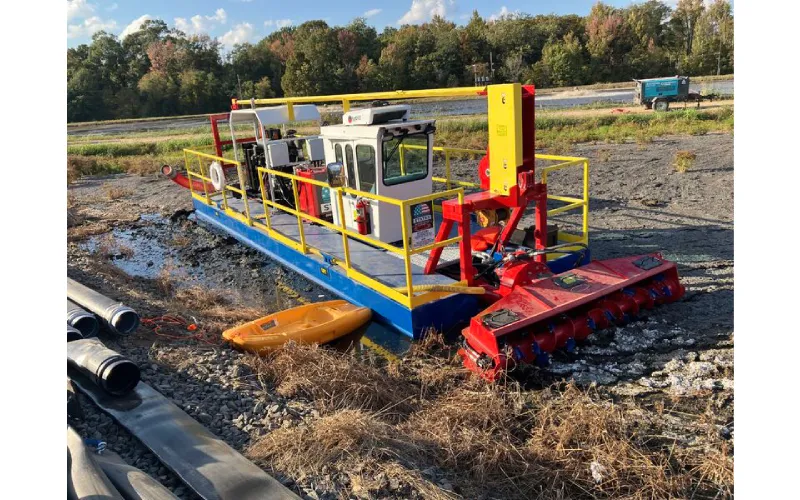
Maintaining your auger dredge is vital for extending its life and enhancing performance. Start with daily checks: inspect for cracks, loose fittings, and hydraulic leaks before and after each operation. Greasing all moving parts like bearings and cutterheads reduces friction, while cleaning sediment prevents corrosion. Weekly maintenance should include draining contaminants from the oil/water separator and tightening bolts in the cutterhead assembly. For periodic upkeep based on usage hours, change the engine oil regularly and inspect vital components at key intervals. Always clean your auger post-use to combat rusting, store it properly away from harsh weather, and adjust maintenance schedules based on operating conditions for optimal longevity!
1. Daily Maintenance Checks for Auger Dredges
Daily maintenance checks are essential for keeping your auger dredge in top shape and extending its lifespan. Start by inspecting the entire structure for visible damage, focusing on welds and joints that may show signs of wear or cracks. Checking engine and hydraulic fluid levels is crucial; ensure they are topped off to support optimal operation. Don’t forget to grease all moving parts daily, including bearings and the cutterhead, to reduce friction and prevent wear over time.
Take a close look at belts and pulleys, making sure they are securely fastened and aligned to avoid operational issues that could arise from misalignment. It’s also important to remove any debris and sediment from surfaces; this simple step can significantly reduce rust and other damage caused by moisture and dirt accumulation. Regularly test safety features, such as emergency stop buttons, to confirm they function correctly, providing an added layer of safety during operations.
Flushing and checking the cooling system is vital to maintain optimal engine temperatures, preventing overheating during use. Additionally, examine engine oil for contamination and replace filters based on routine intervals to ensure your engine performs efficiently. Keeping a detailed log of all checks and repairs will help you track performance over time, making it easier to identify any recurring issues or necessary adjustments.
- Inspect the auger dredge structure for visible damage; pay close attention to welds and joints.
- Check engine and hydraulic fluid levels, topping off as necessary to ensure proper operation.
- Lubricate all moving parts daily to keep them functioning smoothly and to prevent wear.
- Ensure belts and pulleys are securely fastened and aligned to avoid operational issues.
- Remove debris and sediment from all surfaces to prevent rust and other damage.
- Test safety features regularly, including emergency stop buttons, to ensure they work correctly.
- Flush and check the cooling system to maintain optimal engine temperatures during operation.
- Examine engine oil for contamination and replace filters at routine intervals.
- Keep a detailed log of all checks and repairs to track performance over time.

2. Weekly Maintenance Tasks for Your Dredge
Weekly maintenance is crucial for keeping your auger dredge running smoothly and efficiently. Start by draining water and contaminants from the oil/water separator, as this will help maintain the system’s efficiency. Next, inspect the fan belts for any signs of wear and ensure they are properly tensioned; replace them if you notice any cracks or misalignment. It’s also essential to check the hydraulic hoses for leaks or wear, making sure they are securely fastened to prevent any accidents during operation.
Don’t forget to tighten any loose bolts, particularly in the cutterhead assembly, to minimize vibration while the dredge is in use. Cleaning the radiator fins and other cooling components is another key task, as it promotes effective heat dissipation and prevents overheating. Additionally, inspect all electrical connections for corrosion and ensure that battery terminals are clean and tight to avoid electrical failures.
Take a close look at the dredge pump impeller as well; if you notice significant wear or damage, replace it to maintain optimal performance. Finally, lubricate all gearbox components and check the oil fluid levels to ensure everything operates smoothly. By diligently completing these weekly tasks, you can significantly extend the life of your dredge and enhance its performance.
3. Periodic Maintenance Based on Usage Hours
To keep your auger dredge in top shape, periodic maintenance based on usage hours is crucial. Start with changing the engine oil and filter every 100 hours, as this helps maintain engine health and performance. As you hit 250 hours, don’t forget to replace both the fuel filters and hydraulic oil filters to ensure your fuel and fluid systems remain clean and efficient. While you’re at it, inspect the bearing blocks, pulleys, and cutterhead for any signs of wear; this proactive approach can prevent operational issues down the line.
When you reach the 500-hour mark, it’s time to perform a comprehensive check of all components, looking for any signs of wear and corrosion that could impact performance. Finally, at 1,000 hours, analyze the hydraulic oil quality. If it shows signs of degradation, replace it immediately to keep everything running smoothly. Regularly following these maintenance tasks not only extends the life of your dredge but also enhances its overall efficiency, ensuring you get the most out of your investment.
5. Lubrication Tips for Auger Drive Components
Keeping your auger drive components well-lubricated is key to ensuring smooth operation and longevity. Always stick to the grease and lubricants specified by the manufacturer, as they are designed specifically for optimal performance. It’s essential to apply grease to all moving parts daily, including bearings and gears, to minimize friction and wear. Before you apply grease, take a moment to clean the fittings. This step prevents contamination that could lead to premature wear and tear. Additionally, regularly checking the gearbox oil levels is crucial. Make sure to replace it according to the manufacturer’s recommendations to keep everything running efficiently. By following these lubrication tips, you can significantly enhance the reliability and lifespan of your auger dredge.
6. Proper Cleaning and Storage of Your Auger
Cleaning and storing your auger properly is essential for its longevity. After each use, take a moment to remove mud, clay, and debris to prevent rust and deterioration of its components. A pressure washer can be your best friend when it comes to cleaning, but brushes work well too. Make sure to get into all the nooks and crannies, ensuring no residue remains that could cause corrosion over time.
When it comes to storage, always keep the auger indoors or at least under a covered area to shield it from harsh weather conditions, such as rain, snow, or intense sunlight. These elements can weaken the materials and lead to costly repairs. Hanging the auger or placing it on stable racks is a smart move, as it prevents any bending or damage that might occur during storage. Think of it as a cozy home for your auger, protecting it so it can keep performing at its best!
7. Preventing Wear from Abrasive Materials
To keep your auger dredge in top shape, it’s essential to understand the types of sediment you might encounter. Different materials can cause varying levels of wear, so selecting wear-resistant components is crucial. For example, if you’re working in an area with heavy sand or gravel, investing in high-quality, hardened wear parts will pay off in the long run. Regularly inspecting impellers for signs of erosion can help catch issues early; installing replaceable wear liners is a smart move that makes maintenance easier and more cost-effective. Additionally, maintaining optimal flow rates ensures that materials pass through smoothly, reducing the chance of blockages. Make it a habit to clean intake and discharge areas frequently; this simple act can prevent significant issues down the line. Lastly, don’t overlook worn components. Promptly replacing them not only keeps your dredge operating efficiently but also prevents further damage, ensuring a longer life for your equipment.
8. Adjusting Maintenance for Different Operating Conditions
Operating your auger dredge in varying conditions requires a keen eye and a flexible approach to maintenance. In harsher environments, such as extreme temperatures or corrosive settings, it’s crucial to increase the frequency of inspections and maintenance checks. This proactive measure helps catch any potential issues early on, preventing costly breakdowns and extending the life of your equipment. Adjust your lubrication schedules as well, taking into account factors like temperature and humidity. For instance, in a humid climate, you might need to lubricate more often to combat moisture-related issues.
When working in chemically active sediments, consider using corrosion-resistant parts. This simple upgrade can significantly prolong the life of your dredge, saving you time and money in the long run. Additionally, if you find yourself in hotter climates, pay close attention to engine and hydraulic temperatures. Monitoring these closely can help you prevent overheating, ensuring that your dredge operates smoothly even under the sun’s relentless heat. By adjusting your maintenance practices to align with the specific operating conditions, you not only enhance the performance of your auger dredge but also boost its lifespan.
9. Creating a Maintenance Schedule
Establishing a maintenance schedule is crucial for the longevity of your auger dredge. Start by setting a clear timetable for daily, weekly, and periodic tasks, ensuring that nothing is overlooked. For instance, daily inspections should include checking for cracks and wear, while weekly tasks might involve cleaning filters and inspecting hoses. Assign specific maintenance responsibilities to trained personnel, which helps maintain consistency and accountability. To standardize practices, utilize checklists for pre-operation and post-operation inspections. This not only streamlines the maintenance process but also ensures that every detail is covered. Additionally, keep detailed records of all maintenance activities. Regularly review these schedules to identify any areas for improvement, making your maintenance efforts more efficient and effective. By following this structured approach, you can significantly enhance the performance and lifespan of your auger dredge.
Frequently Asked Questions
1. What regular maintenance should I do for my auger dredge?
To keep your auger dredge in tip-top shape, make sure to check and clean the filters, inspect the hoses for any leaks, and lubricate moving parts regularly. Regularly changing the oil and monitoring fluid levels is crucial too.
2. How can I tell if my auger dredge needs repairs?
Pay attention to any unusual sounds, vibrations, or inefficiencies during operation. If you notice excessive wear on the auger or a drop in performance, it might be time to inspect for repairs.
3. What is the best way to store my auger dredge when not in use?
When you’re not using your auger dredge, store it in a dry, sheltered area to protect it from the elements. Ensure all components are clean, dry, and properly lubricated to prevent rust and corrosion.
4. How often should I inspect my auger dredge?
It’s a good idea to inspect your auger dredge before and after each use. Regular checks help catch small issues before they become big problems and keep your dredge operating smoothly.
5. Are there specific cleaning products I should use for my auger dredge?
Use mild detergents and non-corrosive cleaners for washing your auger dredge. Avoid abrasive materials that could scratch surfaces and always rinse thoroughly to remove any residue.
TL;DR To maintain your auger dredge for longer life, perform daily checks including inspections for wear and leaks, lubrication, and cleaning. Weekly tasks should focus on draining contaminants and tightening fittings. Every 100 to 1,000 operating hours, adhere to specific replacements and inspections for oil, filters, and components. Properly cleaning, lubricating, and storing your auger will prevent corrosion and wear, particularly from abrasive materials. Adjust maintenance based on operating conditions to maximize performance. A clear maintenance schedule and detailed logs will ensure your dredge remains in top condition, ultimately reducing downtime and repair costs.