

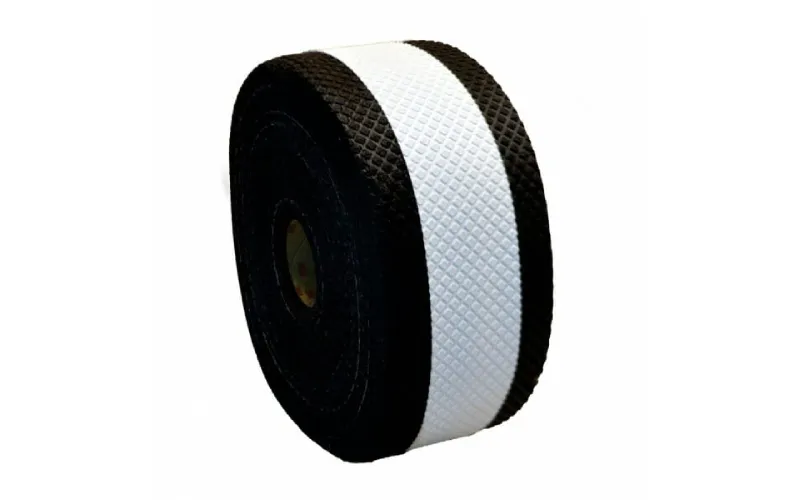
When it comes to choosing between road marking paint and tape, the decision isn’t always clear-cut. Tape offers a speedy application with no drying time, making it ideal for temporary markings or frequent layout changes. However, high-quality paint shines when durability is key since it can withstand heavy traffic with proper care. On the maintenance front, tape is easy to replace but might need more frequent updates based on usage conditions. Paint allows for stunning customization in colors and designs but may come at a higher cost initially. Ultimately, each option has its advantages depending on specific needs and long-term goals.
1. Application Speed: Comparing Tape and Paint
When it comes to application speed, tape clearly takes the lead. It can be applied quickly, allowing immediate access to marked areas. No drying or curing time means that for urgent projects, tape is a go-to option. On the other hand, paint requires time to dry between coats, which can lead to delays in operations. Weather conditions can also play a significant role; paint application may be slowed by rain or low temperatures, while tape remains effective in various weather scenarios. This versatility makes tape a favorite during low-traffic times, enabling a speedy marking process. Additionally, the application process for tape is straightforward and can be handled by staff without special training, unlike paint, which often demands skilled labor for proper application and design. The quick application of tape allows for rapid responses to changing layouts, making it an ideal choice for dynamic environments.
- Tape can be applied quickly, allowing for immediate access to marked areas.
- No need for drying or curing time with tape, making it ideal for urgent projects.
- Paint requires time to dry between coats, potentially delaying operations.
- Weather conditions can affect paint application speed, while tape is less impacted.
- Tape can be used effectively in low-traffic times, speeding up the marking process.
- Tape can be applied in various weather conditions, ensuring versatility.
- The application process for tape is straightforward and can be done by staff without special training.
- The quick application of tape allows for rapid response to changing layouts.

2. Durability: Which Lasts Longer?
When it comes to durability, road marking paint generally outshines tape, especially in high-traffic areas. High-quality tape can hold up under heavy use for several months, but it often requires more frequent replacement, particularly if environmental conditions are harsh. Paint, on the other hand, can last for years when applied properly, particularly in locations that see less foot or vehicle traffic.
Environmental factors play a significant role in the longevity of both options. For instance, tape may peel or curl in extreme heat or cold, while paint can fade or chip due to UV exposure and weather conditions. Some paint types are specially formulated to resist wear and tear from heavy traffic, making them a reliable choice for busy roadways.
Regular inspections can help extend the lifespan of both tape and paint, allowing for early identification of wear. Tape is also more vulnerable to damage from sharp objects or heavy machinery, whereas paint can offer better resistance to chemical spills, depending on its formulation. In industrial settings, the durability of tape can be enhanced with additional adhesive backing, making it a strong contender in specific applications. Ultimately, choosing the right product tailored to the specific type of traffic and environmental conditions is crucial for ensuring durability.
3. Maintenance: Ease of Upkeep for Each Option
When it comes to maintenance, tape has a clear advantage. It can be easily removed and replaced without the need for special tools, making upkeep a breeze. If a section of tape becomes worn or dirty, you can swap it out quickly, keeping your markings fresh without any hassle. On the other hand, paint requires periodic touch-ups, especially in high-traffic areas where abrasion can wear it down. This can be labor-intensive, as it often involves reapplying multiple coats and waiting for them to dry.
Both tape and paint benefit from routine cleaning, which can significantly enhance their lifespan. However, tape can accumulate dirt and debris, necessitating regular maintenance to ensure visibility. Paint can also become grimy and may require specialized solvents for cleaning. While maintaining tape is generally quicker and less costly, paint often demands a more thorough approach to keep it looking sharp.
Regular inspections of both options are essential to ensure they remain visible and effective. By documenting maintenance activities, you can track the performance of each marking method over time. This proactive approach not only extends the life of your road markings but also ensures safety and compliance in your facility.
4. Customization: Design Flexibility in Markings
When it comes to customization, tape and paint offer distinct advantages that cater to different needs. Tape may have limited color options, but it shines in its ability to be tailored for specific patterns, logos, or designs, making it a solid choice for businesses looking to brand their spaces quickly. You can find pre-made designs for common uses, like safety or warning signs, which can expedite the process even further.
On the other hand, paint is the true artist’s palette. With a wider array of colors and the potential for intricate designs, paint is perfect for businesses wanting to make a statement. Custom paint jobs can incorporate reflective properties, boosting visibility at night or in low-light conditions, enhancing safety as well. Using stencils, paint can achieve precise designs that tape simply cannot replicate.
While tape customization might incur extra costs for unique designs, paint can often be mixed on-site, providing flexibility without the added expense. Additionally, paint offers the ability to create textured surfaces that enhance grip, a feature tape lacks. Whether you need a matte finish for a subtle look or a glossy finish for a modern touch, paint can be layered for different effects, giving you even more creative freedom.
Both options can comply with safety regulations through customized markings, ensuring that your designs not only look great but are functional as well.
5. Cost: Initial vs. Long-Term Expenses
When it comes to costs, tape generally shines with its lower initial expenses, making it a go-to choice for small projects or temporary setups. You can quickly apply tape with minimal labor, which is great for tight budgets. However, the story changes when you look at the long-term picture. While paint may have a higher upfront cost due to materials and labor, it often proves to be a more economical choice over time. In high-traffic areas, tape can wear out quickly, leading to frequent replacements that add up. Paint, on the other hand, typically boasts better longevity, reducing the need for constant maintenance and replacement. So, while tape may save you money initially, paint could offer greater savings in the long run. It’s crucial to consider life cycle costs when making your choice: tape might need a bigger budget for replacements, while paint could require less frequent funding. Ultimately, understanding maintenance costs and budgeting for both initial and long-term expenses will empower you to make an informed decision based on the specific needs of your facility.
6. Safety and Compliance: Meeting Industry Standards
Both road marking paint and tape can be designed to comply with OSHA and ANSI standards, ensuring that safety is prioritized in various environments. Tape often features anti-slip surfaces, which are particularly beneficial in wet conditions, reducing the risk of slips and falls. However, custom paint markings can provide superior visibility, making them particularly effective in meeting safety requirements. Regular inspections are crucial for maintaining compliance over time, as they ensure that the markings remain visible and effective. In places where quick layout changes are necessary, tape is often preferred, as it allows for easy compliance adjustments without the downtime that paint requires.
Moreover, paint can be applied with reflective properties, enhancing safety in low-light conditions, which is essential for areas that operate during the evening or in dim environments. It’s important to consider the specific surroundings where the markings will be used, as different environments may have unique compliance needs. Documenting safety inspections is another vital aspect of ongoing compliance, as it provides a clear record of adherence to regulations. Training staff on safety standards and proper marking methods further enhances overall safety, ensuring that everyone understands the importance of these markings. Ultimately, choosing the right marking method is key to meeting both safety and operational demands.
7. Environmental Considerations: Eco-Friendliness of Options
When it comes to environmental impact, the choice between tape and paint can be quite revealing. Tape generally shines as the more eco-friendly option, primarily because it produces fewer harmful emissions during application. Unlike many paints, which contain volatile organic compounds (VOCs) that can pose health risks and environmental concerns, high-quality tape offers a cleaner alternative. Moreover, since tape doesn’t require solvents for cleanup, it minimizes waste and simplifies disposal, making it a more sustainable choice.
On the other hand, while some paints may emit fumes during application, opting for low-VOC or eco-friendly paint options can significantly reduce harmful emissions. Facilities that prioritize sustainability can enhance their efforts by educating staff on responsible disposal methods and best practices for minimizing waste, whether using tape or paint.
It’s important to consider the lifecycle of both products when making your decision. While recycling options for tape are limited, certain paints can be disposed of more sustainably. Ultimately, adopting practices that prioritize eco-friendliness not only benefits the environment but also reflects positively on a facility’s commitment to sustainability.
8. Best Use Cases: Where Each Option Shines
Tape shines in scenarios that demand flexibility and speed. It’s perfect for temporary applications, such as rearranging layouts in warehouses or setting up event spaces. When a quick fix is needed, like marking hazards or guiding foot traffic, tape is the go-to choice due to its ease of application and immediate usability. On the other hand, paint truly excels in permanent applications, particularly in high-traffic areas where longevity is critical. It is ideal for branding and promotional markings, delivering a polished appearance that stands out. In outdoor settings, paint’s durability against weather conditions makes it the preferred option. For environments with heavy machinery or constant wear, paint not only endures better but also allows for intricate designs and patterns that tape simply cannot match. Ultimately, understanding the specific requirements of your operation will lead to the best choice for effective road marking.
9. Industry Recommendations: Tailoring Choices to Needs
Different industries have unique needs when it comes to road marking solutions. For instance, the food processing industry often opts for paint due to strict sanitation standards, as it is easier to clean and maintain. Manufacturing facilities, on the other hand, benefit from the flexibility of tape, allowing for quick adjustments to layouts as production needs change. In warehouses, tape is a popular choice for temporary markings that can be quickly updated, making it ideal for dynamic environments. Retail spaces frequently utilize paint for permanent branding and customer direction, ensuring a consistent and appealing look. Transportation hubs may require a mix of both options, with tape used for temporary signage and paint for long-lasting visibility. Construction sites typically rely on tape for temporary safety markings that can be easily altered as projects evolve. Educational institutions often favor paint for custom markings that enhance school branding, while healthcare facilities lean toward tape for its ease of cleaning and quick application. Lastly, logistics companies find tape advantageous for marking goods in transit, providing clear identification without the mess of paint. Tailoring the choice of road marking methods to the specific needs of each industry ensures maximum effectiveness and efficiency.
10. Long-Term Value: Assessing Useful Life and Maintenance
When deciding between road marking paint and tape, evaluating their long-term value is essential. Understanding the expected lifespan of both options helps in planning your budget effectively. Tape may seem appealing due to its lower initial cost and quick application, but it often requires more frequent replacements, which can add up over time. On the other hand, paint might have a higher upfront cost, yet it offers superior durability and can provide better long-term value when properly maintained.
Traffic patterns also play a critical role in this decision. High-traffic areas may wear down tape more quickly, necessitating more frequent replacements. Regular inspections can help identify when it’s time for touch-ups or replacements, ensuring that markings remain visible and effective. Documenting the performance of each option over time can guide future decisions, allowing facilities to assess the return on investment for both methods. Incorporating life cycle analysis into your decision-making process can reveal insights that may not be immediately apparent. Ultimately, the best choice balances upfront costs with expected longevity and maintenance needs, ensuring you get the most bang for your buck in the long run.
Frequently Asked Questions
1. What are the main differences between road marking paint and tape?
Road marking paint is a liquid that you apply with a sprayer, creating a sturdy line once it dries. Tape, on the other hand, is a sticky strip you place directly on the surface, making it easier to apply but generally not as durable as paint.
2. How long do road marking paint and tape last on the road?
Road marking paint can last several months to a few years, depending on the weather and traffic, while tape usually wears out more quickly, often needing replacement within a few months.
3. Is road marking paint or tape better for different weather conditions?
Road marking paint is typically more resistant to various weather conditions, such as rain and snow, while tape can peel or fade faster when exposed to harsh elements.
4. Can I apply road marking paint or tape myself?
Yes, you can apply both, but paint requires more tools and skills for a smooth finish, while tape is simpler and often user-friendly, making it a good option for DIY projects.
5. Which option is better for temporary vs. permanent road markings?
For temporary markings, tape is a great choice since it can be removed easily. However, for permanent markings that need to last, road marking paint is usually the way to go.
TL;DR When deciding between road marking paint and tape, consider key factors like application speed, durability, and maintenance. Tape applies quickly with no drying time, making it great for temporary needs, but may need frequent replacement. Paint is more durable and customizable, ideal for permanent markings but requires drying time and can be pricier upfront. Safety standards are met by both, with paint offering better visibility. Eco-friendliness leans toward tape, as it avoids harmful fumes. Ultimately, choose based on your facility’s specific needs, budget, and operational requirements.
Resource Url:
https://en.wikipedia.org/wiki/Road_surface_marking
https://roadly.ca/product-category/road-marking-supplies/painted-road-marking/