

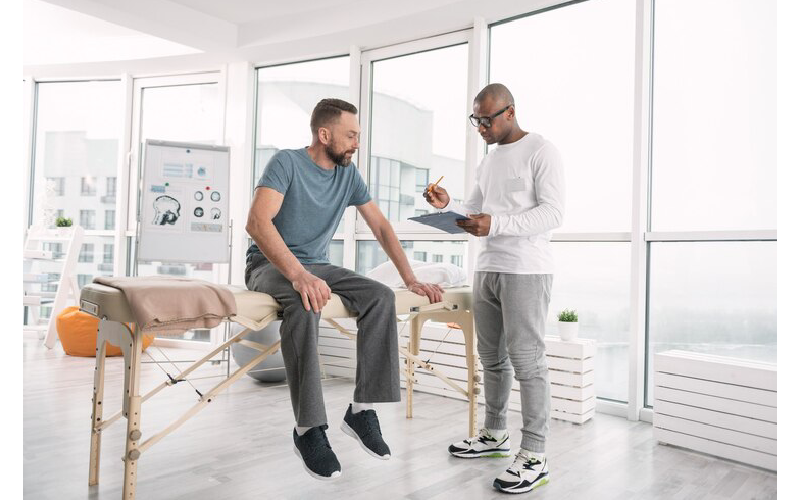
New Orleans is home to several orthopaedic specialists, offering a variety of procedures to meet diverse needs. For instance, the Orthopedic Associates of New Orleans excels in arthroscopic surgery and robotic joint replacements. They also provide sports medicine services and adult trauma care, ensuring comprehensive support for both injuries and conditions. Southern Orthopaedic Specialists offer innovative treatments like robotic knee replacements and regenerative medicine, while the New Orleans Orthopedic Institute focuses on procedures such as rotator cuff tear repairs and PRP therapy. Ochsner Health stands out with its paediatric care programmes. With advanced techniques in shared locations, residents can find quality orthopaedic solutions tailored just for them.
Overview of Orthopedic Care in New Orleans
New Orleans orthopedic specialists boasts a wealth of skilled orthopaedic specialists, each dedicated to providing comprehensive care for a variety of conditions. Orthopedic care in the city addresses issues ranging from fractures to chronic joint pain, ensuring that patients receive tailored treatment plans. The facilities here are equipped with the latest technology, allowing for both surgical and non-surgical options to be explored. Multidisciplinary teams work collaboratively, combining expertise to deliver the best outcomes for patients. Sports medicine is particularly important in New Orleans, catering to both amateur and professional athletes who require specialised attention for their injuries. Rehabilitation services are readily available, supporting recovery after surgery or injury. Patient education is a key focus, empowering individuals in their treatment journey. Healthcare providers prioritise personalised care, ensuring that each patient’s unique needs are considered. Access to these specialists is often streamlined through primary care physicians, making it easier for patients to receive the necessary care.

Arthroscopic Surgery: Minimally Invasive Solutions
Arthroscopic surgery is a modern approach that utilises small incisions and a camera to guide surgical procedures within the joints. This technique is particularly advantageous as it significantly reduces recovery time compared to traditional open surgery, allowing patients to return to their daily activities more swiftly. Commonly performed for knee, shoulder, and wrist conditions, arthroscopy not only aids in diagnosis but also in the treatment of issues such as tears and joint inflammation. During the procedure, surgeons can make necessary repairs or remove damaged tissue, often using only local anaesthesia or sedation, which enhances patient comfort. The minimally invasive nature of arthroscopy results in less pain and scarring, making it a preferred option for many patients. Typically performed as an outpatient procedure, patients benefit from high success rates, leading to improved mobility and quality of life. Post-operative care often includes physical therapy to help regain strength and function, ensuring a comprehensive recovery process.
Sports Medicine: Treating Athletic Injuries
Sports medicine is a vital field focusing on the prevention and treatment of injuries that occur during physical activities. Athletes often face injuries like sprains, strains, fractures, and tendonitis, which can significantly impact their performance. Specialists in this area collaborate closely with athletes to design tailored rehabilitation programmes that not only aid recovery but also enhance future performance. They emphasise injury prevention strategies, offering guidance on proper techniques and training regimens.
Diagnostic imaging techniques, such as MRI and X-rays, are crucial for accurately assessing injuries, ensuring effective treatment plans are implemented. Furthermore, specialists may develop tailored nutrition and exercise plans to optimise recovery times and improve overall fitness. Return-to-play protocols are carefully crafted, allowing athletes to resume their activities safely and confidently.
The field also addresses overuse injuries, which can arise from repetitive motions, affecting an athlete’s performance. Collaboration with coaches and trainers is essential, as it ensures a comprehensive approach to athlete care. Additionally, sports medicine specialists are trained to assess and treat concussions and other head injuries, which are increasingly recognised as significant concerns in sports today.
- Sports medicine focuses on preventing and treating injuries related to physical activity.
- Common injuries include sprains, strains, fractures, and tendonitis.
- Specialists often work with athletes to develop rehabilitation programmes.
- They also provide guidance on injury prevention strategies.
- Diagnostic imaging techniques help in accurately assessing injuries.
- Nutrition and exercise plans may be tailored for optimal recovery.
- Return-to-play protocols ensure athletes are ready to resume activities safely.
- The field also addresses overuse injuries that can affect performance.
- Collaboration with coaches and trainers enhances overall athlete care.
- Sports medicine specialists may also treat concussions and other head injuries.
Joint Replacement Procedures Explained
Joint replacement is a surgical procedure that involves replacing damaged joint surfaces with artificial components, allowing patients to regain functionality and alleviate discomfort. The most common joint replacements are for the hips, knees, and shoulders. Before undergoing surgery, patients typically have thorough pre-operative assessments to ensure they are suitable candidates. The surgery can lead to significant improvements in mobility and pain reduction, enabling individuals to return to their daily activities with greater ease. Post-operative rehabilitation plays a crucial role in achieving successful outcomes, as patients often engage in physical therapy to rebuild strength and flexibility in the affected joint. Depending on the procedure, joint replacements can last many years, often exceeding a decade. For some patients, minimally invasive options are available, which can lead to quicker recovery times. Surgeons employ advanced imaging techniques to meticulously plan each procedure, ensuring accuracy and optimal results. During pre-operative consultations, the risks and benefits of the surgery are discussed in detail, helping patients make informed decisions about their treatment.
Robotic-Assisted Joint Replacement Techniques
Robotic-assisted joint replacement techniques are transforming the landscape of orthopaedic surgery, offering enhanced precision and improved outcomes for patients. This advanced technology allows surgeons to customise implant placement based on the unique anatomy of each patient, ensuring a more tailored approach to joint replacement. The surgeon maintains control over the robotic system, which provides real-time feedback during the procedure, enabling them to make better-informed decisions and adjustments as necessary.
One of the key benefits of robotic-assisted surgeries is the potential for reduced recovery times. Patients often find that their rehabilitation is faster compared to traditional methods, allowing them to return to their daily activities sooner. Additionally, the precision of robotic assistance helps to minimise soft tissue damage during surgery, which can contribute to less postoperative pain and a more comfortable recovery experience.
While the popularity of robotic joint replacement is on the rise due to its accuracy and effectiveness, it is important to note that not all joint replacements are suitable for robotic assistance. A thorough consultation with an orthopaedic specialist is essential to determine the best approach for individual cases. As technology continues to evolve, the future of robotic-assisted joint replacement holds promise for even better surgical results, paving the way for enhanced patient care.
Hand and Wrist Surgery: Key Interventions
Hand and wrist surgery addresses a variety of conditions that can significantly impact daily activities, with carpal tunnel syndrome being one of the most common issues treated. Procedures in this field often include tendon repairs, joint replacements, and fracture fixations, each tailored to the patient’s specific needs. Minimally invasive techniques are frequently employed, allowing for quicker recovery times and less postoperative discomfort. Before surgery, surgeons conduct thorough assessments to evaluate the function and strength of the hand, ensuring that the chosen intervention aligns with the patient’s condition. Following surgery, many patients engage in occupational therapy to aid their recovery and restore hand function. This rehabilitation is crucial for regaining the ability to perform everyday tasks. Additionally, advancements in surgical techniques have led to improved outcomes, making it essential for patients to receive education on post-operative care and necessary precautions. Early intervention is key, as addressing issues promptly can prevent more serious complications down the line.
Shoulder and Elbow Surgery Insights
Shoulder and elbow surgeries play a crucial role in addressing both injuries and chronic conditions affecting these joints. Common issues include rotator cuff tears and elbow tendonitis, which can significantly impact a patient’s quality of life. Orthopedic surgeons employ both open and arthroscopic procedures tailored to the specific condition at hand. Diagnostic imaging techniques, such as MRI or CT scans, are essential for effective treatment planning and evaluation. Following surgery, rehabilitation becomes vital, as it helps patients regain mobility and strength through tailored exercises. Some minimally invasive options are available, which can lead to quicker recovery times and reduced scarring. Patients are encouraged to take an active role in their recovery process, promoting a sense of ownership over their healing journey. Surgical success rates for these procedures are generally high, providing hope for improved function and an enhanced quality of life. Thorough assessments by surgeons ensure the most appropriate approach is taken, and follow-up appointments are crucial to monitor healing and restore function.
Comprehensive Spine Care Services
Spine care services are essential in addressing various neck and back issues that can significantly affect quality of life. Conditions such as herniated discs, spinal stenosis, and chronic pain are commonly treated by specialists. Initially, non-surgical options like physical therapy and injections are often considered, allowing patients to explore conservative treatment paths before resorting to surgery. In cases where these methods prove ineffective, surgical options are available, with many surgeons employing minimally invasive techniques to reduce recovery times and risks. Advanced imaging techniques, such as MRI and CT scans, play a crucial role in accurate diagnosis, enabling tailored treatment plans. Patient education is equally important, as understanding spine health can help prevent future issues. Rehabilitation services are designed to improve strength and flexibility, aiding in recovery and enhancing overall spinal stability. Collaboration with physical therapists during the rehabilitation process further optimises outcomes. Regular follow-ups are also vital for managing chronic spine conditions, ensuring ongoing support and adjustments to treatment as needed.
Workers Compensation and Orthopedic Treatment
Orthopedic specialists play a crucial role in managing work-related injuries, providing tailored care that addresses each individual’s specific needs. This often begins with a thorough evaluation to assess the extent of the injury, helping to establish a clear understanding of the situation. Based on these assessments, treatment plans may include both surgical and non-surgical options, allowing for a comprehensive approach to recovery.
Coordination with employers is a key aspect of the process, as specialists work to develop effective return-to-work strategies. This ensures that patients are not only medically fit to return but also have the necessary support in place to reintegrate smoothly into their work environments. Documentation and detailed assessments are vital for workers’ compensation claims, as they provide the necessary evidence to support the patient’s case.
Rehabilitation programmes are designed to focus on restoring function and preparing individuals for their return to work. These programmes often include exercises and therapies tailored to the specific demands of the patient’s job. In addition to physical rehabilitation, specialists may also provide ergonomic advice to help prevent further injuries, ensuring that the workplace is conducive to a healthy work-life balance.
Communication with insurance providers is typically part of the process, as the specialists guide patients through the workers’ compensation system. This support can alleviate some of the stress associated with navigating claims and ensure that patients receive the benefits to which they are entitled. Furthermore, collaboration with occupational health professionals enhances the recovery process, creating a holistic approach to treatment that emphasises not only physical healing but also returning to work in a safe and sustainable manner.
Adult Trauma Care in Orthopedic Settings
adult trauma care in orthopaedic settings is vital for managing severe injuries sustained from accidents or falls. Orthopedic surgeons specialise in treating complex fractures and dislocations that often require immediate attention. Following an injury, swift assessment and stabilisation are crucial to prevent further complications. Surgical interventions may be necessary to repair fractures or address soft tissue injuries, ensuring that patients receive the best possible outcome.
In many cases, a multidisciplinary team collaborates to deliver comprehensive trauma care. This team approach allows for different specialists to address various aspects of a patient’s recovery. Close monitoring during the recovery period is essential, as it helps the medical team to track progress and swiftly address any emerging concerns. Rehabilitation services play a significant role in helping patients regain mobility and strength, enabling them to return to their daily activities.
Furthermore, education on injury prevention becomes an integral part of the treatment process, equipping patients with knowledge to avoid future injuries. Follow-up care is also critical in ensuring proper healing and addressing any complications that may arise. Overall, the goal of adult trauma care is to restore functionality and improve the quality of life for patients.
Regenerative Medicine: A New Approach
Regenerative medicine represents a significant shift in how we approach healing and recovery. By harnessing the body’s own healing processes, it aims to repair damaged tissues, offering promising results for various conditions. Therapies such as stem cell injections and platelet-rich plasma (PRP) therapy are at the forefront of this innovative field. These treatments focus on reducing inflammation and enhancing natural recovery, which can be particularly beneficial for patients struggling with joint pain or sports injuries.
What sets regenerative medicine apart is its potential to provide alternatives to traditional surgical options. For some patients, it may reduce the need for invasive procedures while still improving functionality and alleviating pain. The approach often involves a multidisciplinary team, including specialists in orthopaedics and rehabilitation, to ensure comprehensive care tailored to each individual’s needs.
As research continues to advance, the applications of regenerative medicine in orthopaedics are expanding, showing promise in treating chronic conditions and injuries that were previously difficult to manage. Patients may find themselves enjoying a better quality of life through these innovative treatments, making it an area of great interest in modern medicine.
Concussion Management in Sports
Concussion management is a critical aspect of sports medicine, particularly for athletes. It begins with a thorough assessment of symptoms and cognitive function immediately after an injury. Specialists often use baseline testing to compare an athlete’s pre-injury condition with their status post-injury, ensuring a comprehensive understanding of the impact. A key focus is on a graduated return-to-play protocol, which is structured to prioritise safety and minimise the risk of further injury.
Education plays a vital role in this process, equipping athletes and coaches with the knowledge to recognise concussion symptoms early. It is emphasised that rest and gradual recovery are essential before returning to play, as rushing back can lead to serious complications. In certain cases, collaboration with neurologists and sports medicine specialists may be necessary, especially when imaging techniques are employed to rule out more severe injuries.
Long-term monitoring for effects and managing complications is also crucial, as concussions can have lasting impacts. By promoting awareness about the risks associated with concussions and implementing effective prevention strategies, specialists aim to provide athletes with the appropriate care and support they need throughout their recovery.
Pediatric Orthopedic Care: Specialised Focus
Pediatric orthopaedic care is tailored to address the unique needs of children and adolescents, recognising that their bodies are still developing. This specialised focus covers a range of conditions such as scoliosis, hip dysplasia, and growth plate injuries, which require careful consideration and management. Non-invasive treatments and ongoing monitoring are often employed when suitable, allowing for gentle intervention that aligns with a child’s growth. Family education plays a crucial role, empowering parents to support their child’s development and recovery effectively. Early intervention is emphasised, as it can lead to significantly better outcomes, ensuring that children regain their abilities as quickly as possible.
When surgical intervention is necessary, specialised techniques are adapted to cater to growing bones, minimising disruption to their development. Collaboration with paediatricians is common, creating a comprehensive care plan that considers all aspects of the child’s health. Rehabilitation is a key component of the recovery process, ensuring that children can return to their regular activities safely. To ease anxiety during treatment, child-friendly approaches are utilised, making the experience less daunting. As research into childhood orthopaedic conditions continues to evolve, so too does the care and treatment available, ensuring that specialists are equipped with the latest knowledge and techniques to provide the best outcomes for young patients.
Advanced Rehabilitation for Sports Injuries
Advanced rehabilitation for sports injuries is crucial for athletes aiming to return to peak performance. Each programme is personalised, catering to the specific needs of the individual. By employing cutting-edge techniques like biomechanical assessments, specialists can identify areas that require focus for optimal recovery. The rehabilitation process centres on restoring strength, flexibility, and range of motion, ensuring that athletes regain their full capabilities.
Physical therapy modalities play a significant role in this journey, where techniques such as manual therapy and ultrasound are incorporated to aid healing. Functional training is also key, as it prepares athletes for the specific demands of their sport, allowing them to transition back into competition seamlessly. Technology, including motion analysis, is utilised to fine-tune recovery strategies and enhance performance outcomes.
Education is a vital component of these rehabilitation programmes, as it aims to prevent re-injury through proper technique and understanding of movement patterns. Additionally, psychological support is often integrated, addressing the mental aspects of recovery that can be just as challenging as the physical. Collaboration among physiotherapists, trainers, and physicians ensures a comprehensive approach, with regular evaluations tracking progress and guiding necessary adjustments to the rehabilitation plan.
Overview of Ochsner Health Services
Ochsner Health offers a comprehensive range of orthopaedic services under one roof, making it a convenient choice for patients. With advanced imaging and diagnostic capabilities, the centre ensures accurate assessments and tailored treatment plans. Patients benefit from access to specialised surgeons who have expertise in various areas, including joint replacement, sports medicine, and spine care. The focus is on a patient-centred approach to care and recovery, which aims to enhance the overall experience and outcomes for individuals seeking treatment.
For complex cases, Ochsner incorporates a multidisciplinary team that collaborates to devise effective strategies for managing intricate orthopaedic issues. Additionally, support services such as pain management and nutrition advice are readily available to further assist patients on their recovery journey. Educational resources are provided to inform patients about their conditions and treatment options, empowering them to make informed decisions regarding their health.
Recognising the importance of accessibility, Ochsner also utilises telehealth options for consultations and follow-ups, ensuring that patients can receive care without unnecessary travel. The institution participates in clinical research to advance treatment options, reflecting a commitment to staying at the forefront of orthopaedic care. Overall, Ochsner Health strives to deliver high-quality care with a focus on achieving positive patient outcomes.
Frequently Asked Questions
1. What types of injuries do orthopedic specialists treat in New Orleans?
Orthopedic specialists in New Orleans commonly treat a range of injuries, including fractures, ligament tears, bursitis, and tendonitis, all of which can affect bones and muscles.
2. How is joint replacement surgery performed by orthopedic surgeons?
Joint replacement surgery involves removing a damaged joint and replacing it with an artificial one, typically made of metal and plastic, which helps restore function and reduce pain.
3. What rehabilitation services do orthopedic specialists provide after surgery?
After surgery, orthopaedic specialists often provide rehabilitation services, including physical therapy, to help patients regain strength, improve mobility, and return to their normal activities.
4. What are the common non-surgical treatments offered by orthopedic specialists?
Common non-surgical treatments include physical therapy, medications for pain relief, injections for inflammation, and lifestyle advice to manage injuries without needing surgery.
5. How can I find a qualified orthopedic specialist in New Orleans?
You can find a qualified orthopaedic specialist in New Orleans by asking your primary doctor for recommendations, researching online reviews, and checking with local hospitals or clinics.
TL;DR New Orleans offers a variety of advanced orthopedic procedures, including minimally invasive arthroscopic surgery and robotic-assisted joint replacements. Specialties encompass sports medicine, spine care, and treatments for hand and wrist conditions. The city’s clinics provide tailored services for workers’ compensation and adult trauma care, alongside a focus on paediatric needs and concussion management in sports. Comprehensive rehabilitation options support recovery from injuries, ensuring patients receive high-quality, specialised care.