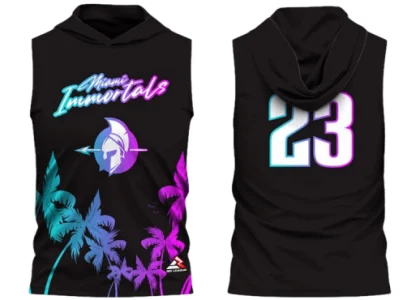

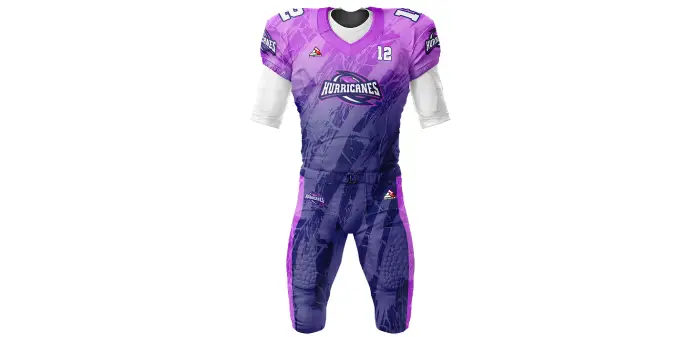
When considering custom football jerseys, it’s crucial to think about several key factors. First, understand that these jerseys enhance team identity and create unity among players and fans. Next, define your requirements: consider the purpose, quantity, and budget for the jerseys. Selecting a reputable manufacturer can make a difference; look for quality fabric options like polyester or nylon for comfort during play. Don’t forget design elements such as color schemes and proper logo placement to showcase team pride effectively. Ensuring accurate measurements is vital for fit while reviewing proofs can help avoid costly mistakes before placing your order.
1. Understanding Custom Football Jerseys
Custom football jerseys play a significant role in uniting players and fans, creating a sense of belonging and boosting team spirit. When players wear these jerseys, they not only look professional but also feel more confident on the field, which can enhance their performance during games. Additionally, custom jerseys can become a source of revenue for teams through sales to fans, providing funds that can be reinvested into the team. The ability to personalize jerseys makes each one unique to the wearer, allowing players and fans to express their individuality while still representing the team. Moreover, custom jerseys can feature sponsor logos, which can bring in additional funding, a vital aspect for many teams. They can also commemorate special events, such as championships or anniversaries, turning a jersey into a cherished keepsake. With diverse designs available, teams can cater to various age groups and preferences, ensuring that everyone can find something they like. Limited edition jerseys can create excitement and anticipation among fans, while giveaways can engage supporters and strengthen the community bond. Ultimately, high-quality custom jerseys can foster greater loyalty from fans, making them feel more connected to the team and its mission.
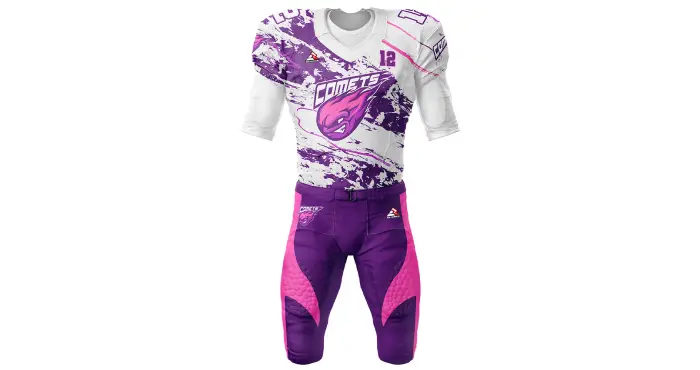
2. Defining Your Requirements
When defining your requirements for custom football jerseys, start by considering your target audience. Are these jerseys for players, fans, or both? This will influence your design and functionality choices. Next, assess the quantity needed based on your team size and anticipated demand. Establishing a clear budget is crucial, as it will guide your decisions on materials and design features. Think about specific requirements, like if pockets or ventilation are necessary. Make sure to accommodate any special sizing requests, especially for larger sizes. It’s also essential to outline your timeline for ordering and receiving the jerseys, as delays can impact your season. Check for any league regulations regarding jersey designs, as compliance is key. Finally, clarify the intended use for the jerseys, whether for practice, games, or promotional events, and consider if you’ll need to replace them regularly or if they are a one-time purchase. Gathering input from team members on design preferences can also lead to a more satisfying end product.
- Consider the target audience for the jerseys: players, fans, or both.
- Assess the number of jerseys needed based on team size and expected demand.
- Establish a budget that includes materials, design, and any additional costs.
- Identify specific features required, such as pockets or ventilation.
- Determine if the jerseys need to accommodate any special requests, like larger sizes.
- Think about the timeline for ordering and receiving jerseys.
- Check if there are any rules or regulations regarding jersey designs in your league.
- Clarify if the jerseys will be used for practice, games, or promotional events.
- Consider if the jerseys will need to be replaced regularly or if they are a one-time purchase.
- Discuss with team members to gather input on design preferences.
3. Selecting a Manufacturer
When selecting a manufacturer for your custom football jerseys, it’s essential to do thorough research. Start by reading reviews and testimonials from previous customers to gauge their reputation. Request samples to get a firsthand look at the quality of their products, ensuring that the materials used are both durable and comfortable. Inquire about their experience with custom jerseys and ask for examples of past projects to understand their capabilities.
Effective communication is crucial in this process, so look for manufacturers with a clear and reliable communication system. Flexible payment options can also make the purchasing process smoother, so don’t hesitate to ask about those. Additionally, check if they offer any warranties or guarantees on their jerseys, as this can be a sign of their confidence in the product.
Consider the manufacturer’s production capacity to ensure they can meet your order size, especially if you need a larger quantity. It’s wise to compare multiple manufacturers to find the best fit for your needs. Finally, inquire about their sourcing practices for materials and verify their compliance with industry standards for safety and quality. This diligence will help you make an informed decision and ensure you get the best jerseys for your team.
4. Designing Your Jerseys
When designing your custom football jerseys, start by brainstorming ideas that capture your team’s personality. Think about colors and styles that resonate with your players and fans. Using design software or templates can help you visualize these concepts before settling on a final design. It’s also important to incorporate feedback from team members to ensure that everyone feels included in the process. Select fonts and graphics that align with your team’s brand identity, aiming for designs that not only look good but also enhance visibility on the field. Make sure logos and numbers are easily readable from a distance, as this can impact gameplay and fan engagement. Aim for a layout that balances aesthetics with functionality, ensuring that the jerseys look great while allowing players to perform their best. Looking at competitors’ designs can provide inspiration, but strive to maintain originality in your approach. Consider how seasonal changes might influence your design choices, such as fabric thickness or color schemes. Finally, ensure your designs can be adapted for different sizes and fits, and prepare everything for proofing before production to avoid any last-minute issues.
5. Choosing the Right Fabric
When selecting fabric for custom football jerseys, it’s essential to research different types to find the best fit for your team’s needs. Moisture-wicking materials are a top choice, as they help keep players comfortable and dry during intense games. Additionally, considering added features like UV protection or antimicrobial properties can enhance the jersey’s functionality, especially in various weather conditions.
Durability is another critical factor; you’ll want a fabric that withstands the rigors of the game, ensuring longevity. The weight of the fabric matters too, particularly for hot weather games, as lighter materials can improve comfort. Breathable mesh options can further enhance airflow, allowing players to stay cool on the field.
It’s wise to discuss fabric options with your manufacturer to understand their benefits and any additional costs associated with premium fabrics. Moreover, consider the ease of care for the chosen fabric, as some may require special washing instructions, which could affect maintenance in the long run. Lastly, if your team values sustainability, looking into eco-friendly fabric options can be a great way to appeal to environmentally conscious fans.
6. Ensuring Proper Fit
Getting the right fit for custom football jerseys is crucial for performance and comfort. Start by gathering accurate measurements from each player to avoid sizing issues. Providing clear size charts can guide players in selecting the right fit, ensuring everyone feels comfortable on the field. It’s wise to offer a range of sizes, including youth and plus sizes, to accommodate various body types.
Additionally, consider each player’s fit preferences; some may like a tighter fit while others prefer a looser style. Hosting a fitting session allows players to try on sample jerseys, giving them a chance to find what works best for their playing style. The fit should allow for comfortable movement, as this is essential during games.
When selecting sizes, take into account different body shapes and types to ensure everyone is well-served. It’s also helpful to clarify if adjustments can be made post-production for a better fit, as this could solve any issues that arise after players receive their jerseys. Lastly, remember to factor in potential shrinkage after washing, as this can affect how the jerseys fit over time. Encourage players to communicate any fit issues so you can address them in future orders.
7. Reviewing the Proof
Before finalizing your custom football jerseys, it is crucial to review the digital proof provided by the manufacturer. Start by checking for any spelling errors, particularly on player names and numbers, as these mistakes can be costly and frustrating. Next, ensure that the colors used in the design align with your team’s branding and specifications. It’s also important to scrutinize the placement of logos and graphics for alignment issues, as these can affect the overall appearance of the jersey. Confirm that all requested design elements are included, and double-check the sizing information against player measurements to avoid fit issues. Getting feedback from team members on the proof can provide valuable insights, and make sure there is a clear process for making any necessary adjustments. Finally, check the timeline to ensure that you receive the final proof in time before production starts, and document any approved changes for future reference.
8. Placing Your Order
When you’re ready to place your order for custom football jerseys, start by confirming the final design and specifications with the manufacturer. Make sure you discuss payment methods and deadlines to avoid any confusion later on. It’s also a good idea to ask about bulk order discounts or any promotional offers that might be available. Knowing the timeline for production and delivery is crucial, so clarify that upfront.
Before finalizing, review the return policy in case of defective or incorrect items. Keeping a record of the order confirmation and receipts is smart for tracking purposes. Inquire about tracking options for the shipment once your order is placed, and consider setting reminders for follow-up communications regarding the order status. It’s important to discuss potential delays and understand how the manufacturer will communicate these to you. Lastly, ensure all team members are informed about the expected delivery date, so everyone is on the same page.
10. Exploring Customization Options
When it comes to custom football jerseys, the options for personalization are vast and exciting. Teams can explore unique patterns and colors that make their jerseys stand out on the field. Adding motivational quotes or team slogans can also create a sense of pride and unity among players and fans. For special events or achievements, consider the use of removable patches, allowing for a dynamic look that reflects the team’s journey.
Fan jerseys can mirror player designs, giving supporters a sense of connection to their favorite athletes. Collaborating with local artists can provide unique and culturally relevant designs that resonate with the community. Additionally, letting players choose personal touches like their own jersey numbers adds a layer of individuality.
Customization options can be offered at events or online, making it easy for fans to show their support. Seasonal designs, such as holiday-themed jerseys, can keep things fresh and exciting. Incorporating local culture or themes into the designs can also enhance the connection between the team and its fan base. Finally, offering limited edition jerseys creates a sense of exclusivity, making them more desirable for collectors and enthusiasts.
11. Care and Maintenance Tips
To keep your custom football jerseys looking fresh and vibrant, a proper care guide is essential. Start by washing your jerseys in cold water, as this helps preserve the colors and prevents fading. Turning the jerseys inside out during the wash can protect the prints from rubbing against other fabrics, which is especially important for intricate designs. After washing, air drying is the best method to maintain the jersey’s shape and quality; avoid the dryer as it can cause shrinkage and damage.
Be cautious with detergents; using harsh chemicals or bleach can weaken the fabric and ruin the colors. For storage, consider hanging the jerseys instead of folding them, which can lead to creases and distortion. If you need to remove wrinkles, never iron directly on printed areas; instead, use a cloth as a barrier or opt for steaming. If spills or stains occur, address them promptly with a gentle spot treatment to avoid permanent marks. Keeping jerseys clean not only enhances their longevity but also helps maintain team spirit, as a well-cared-for jersey represents pride and unity.
12. Common Mistakes to Avoid
When creating custom football jerseys, it’s easy to make mistakes that can lead to disappointment or extra costs. One of the most significant missteps is rushing the design process. Taking the time to finalize every detail before placing an order can save you from issues later. Additionally, using low-resolution images can result in poor print quality, so always choose high-quality graphics for your designs.
Make sure all names and numbers are spelled correctly, as mistakes here can be costly to fix. Consistency in colors is also crucial; verify that your color codes are accurate to avoid mismatches in production. Furthermore, neglecting the fit of the jerseys can lead to discomfort for players, so always check size charts and consider specific fits based on player positions.
Be cautious of hidden fees by clarifying all costs upfront with the manufacturer, as unexpected charges can blow your budget. Skipping the proof review process can lead to costly mistakes, so double-check everything before giving the final go-ahead. Don’t forget to factor in delivery times; being aware of how long it will take to receive your jerseys is essential to avoid delays.
Clear communication with your manufacturer is key; not expressing your specific requirements can lead to misunderstandings. Finally, relying on just one source of information may limit your options, so do thorough research to explore various possibilities.
13. Current Trends in Custom Jerseys
Bold color patterns are becoming increasingly popular in custom football jerseys, helping teams stand out on the field. Digital camouflage designs are particularly appealing to younger fans and players, adding a modern twist to traditional looks. As awareness of sustainability grows, eco-friendly fabrics are gaining traction, allowing teams to make a statement about their values. In warmer climates, sleeveless jerseys are favored for comfort, while short-sleeved jerseys with modern cuts are trending for their stylish appearance. Personalized designs that tell individual player stories are on the rise, making jerseys more meaningful. Retro styles are making a comeback, tapping into nostalgia for many fans. Collaborations with local artists are gaining popularity, creating unique and eye-catching designs. Subtle reflective elements are being integrated into jerseys for better visibility during night games. Lastly, mixing traditional and contemporary styles allows teams to express their identity creatively.
Frequently Asked Questions
1. What materials are used for custom football jerseys?
Custom football jerseys are often made from materials like polyester, which is durable and breathable, or cotton, which is soft and comfortable. Some jerseys may combine these materials for a balance of performance and comfort.
2. How do I choose the right size for my custom football jersey?
To choose the right size, it’s best to measure your chest, waist, and hips, then compare these measurements with the sizing chart provided by the manufacturer. Keep in mind that different brands might have slightly different sizes.
3. Can I personalize my jersey with a name and number?
Yes, most companies offer options to personalize your jersey with a name and number. Just make sure to check the customization options when placing your order.
4. What is the best way to care for my custom football jersey?
To care for your custom football jersey, it’s recommended to wash it in cold water on a gentle cycle, avoid bleach, and air dry it to keep the fabric and prints looking fresh.
5. Are there options for different styles of jerseys?
Yes, there are various styles available for custom football jerseys, including various cuts, colors, and designs, allowing you to tailor the jersey to your personal preference and team spirit.
TL;DR Custom football jerseys boost team spirit and serve as marketing tools. Start by defining your purpose, budget, and quantity needed. Choose a reputable manufacturer with good quality fabrics and customer service. Design your jerseys with attention to color, logo placement, and readability. Ensure proper fit by measuring players accurately. Review proofs carefully before ordering, and discuss payment and delivery with the manufacturer. Explore additives like player names and special messages, and follow care instructions for longevity. Avoid common mistakes like low-resolution images and sizing errors, while also keeping up with trends in jersey designs.
Resource URL: