

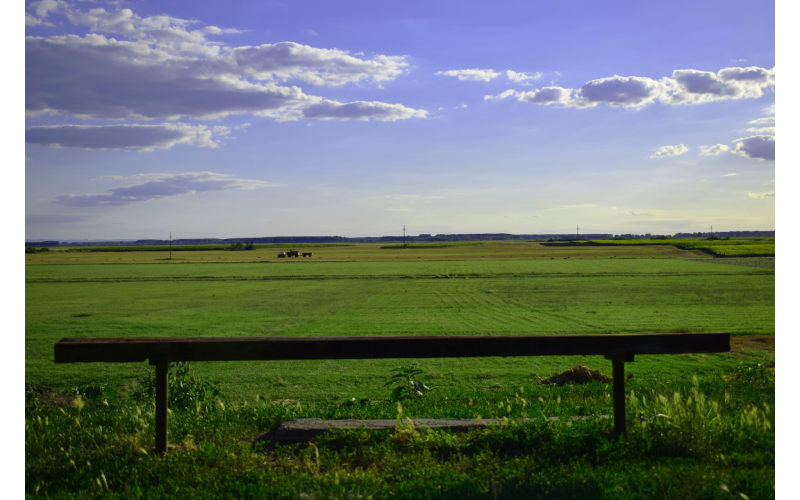
When sell your land, it’s important to grasp the nuances of the market, which differs significantly from residential sales. Fewer buyers may be present, leading to inquiries on issues like zoning and access. Legal requirements are another concern; a clear title is vital to avoid complications arising from inheritance or easements. Properly valuing the land with an appraiser ensures you set an attractive price without scaring off potential buyers. Marketing through various channels is crucial, showcasing high-quality images and detailed descriptions. Finally, engaging professionals like real estate agents can simplify negotiations and help navigate regulations for a smoother closing experience.
Understanding the Market for Selling Land
When considering sell your land, it’s crucial to understand who your potential buyers are. This could range from developers looking for new projects, farmers seeking agricultural land, or individuals wanting a recreational retreat. Researching local market trends is equally important; look into recent sales in your area to get a sense of pricing and demand. For instance, if you notice an uptick in sales during spring or summer, it may be wise to time your sale accordingly.
Highlighting unique features of your land can make a significant difference. If your property boasts scenic views, historical significance, or even rare wildlife, these aspects can attract buyers. Staying informed about economic factors is also key, as local developments, such as new infrastructure or zoning changes, can influence land value and buyer interest.
Evaluate similar listings to gauge your competition and determine appropriate pricing strategies. Different buyers have different needs, so understanding the intended purpose of your land, for residential, commercial, or agricultural use, can help tailor your approach. Join local real estate groups to network with other sellers and agents, which can provide valuable insights into current market conditions. Lastly, transparency about any potential issues with the land, such as access or legal constraints, fosters trust with potential buyers, enhancing your chances for a successful sale.
- Know your target audience: Identify who is likely to buy your land, such as developers, farmers, or recreational buyers.
- Research local market trends: Look for recent sales in your area to understand pricing and demand.
- Understand the seasonality: Certain times of the year may attract more buyers, like spring or summer.
- Identify unique features: Highlight any unique aspects of your land that could appeal to buyers, such as scenic views or historical significance.
- Be aware of economic factors: Economic conditions can affect buyer interest and pricing, so stay informed about local developments.
- Evaluate similar listings: Compare your land with similar properties on the market to gauge competition and pricing strategies.
- Consider the purpose of the land: Different buyers have different needs, whether for residential, commercial, or agricultural use.
- Stay updated on local developments: New infrastructure or zoning changes can impact land value and buyer interest.

Legal and Documentation Needs
When sell your land, it is crucial to gather all necessary documents, including surveys, title deeds, and property tax information. This preparation not only streamlines the process but also reassures potential buyers. Additionally, it’s important to check local regulations, as legal requirements for selling land can vary significantly from one area to another. A thorough understanding of these regulations can prevent unexpected complications.
Preparing a disclosure statement is another key step. This document should clearly outline any known issues with the land, such as easements or environmental concerns, to ensure transparency and build trust with buyers. It is often advisable to hire a real estate lawyer, especially if the legal landscape seems complex, as they can help navigate legal requirements and protect your interests.
Familiarising yourself with the closing process is vital. This involves understanding the steps required to transfer ownership and finalise the sale. Be sure to review offers carefully, ensuring all proposals are in writing and meet legal standards before proceeding. It’s wise to negotiate terms clearly, including contingencies that may affect the transaction.
Maintaining records is equally important. Keeping copies of all correspondence and documents related to the sale can be beneficial for future reference. Consulting with a title company can also prove invaluable, as they have the expertise to ensure proper handling of legal documents and title searches.
Lastly, understanding buyer financing options can help you tailor your sale strategy. Knowing the financing options available to buyers might open new avenues for negotiation, making your land more appealing to a wider audience.
How to Value Your Land?
Valuing your land accurately is key to a successful sale. Start by considering location factors: land close to amenities like shops, schools, and transport links generally holds more value. Conduct a comparative market analysis by looking at recent sales of similar properties in your area, as this can help you gauge a fair price. Assess the land features as well; unique characteristics such as water sources, scenic views, or mature timber can significantly enhance appeal and value.
Zoning regulations also play a critical role in valuation. Understand what your land is zoned for, as this will affect its potential uses and thus its market price. If the zoning allows for residential or commercial development, the value is likely higher than for agricultural or non-buildable land. Keep an eye on the overall market conditions too. If it’s a seller’s market, you might be able to set a higher price, while a buyer’s market may necessitate a more competitive approach.
Hiring a professional appraiser is often a wise investment; they can provide an unbiased valuation based on all relevant factors. Additionally, consider future developments in your area, anticipated projects like new roads or shopping centres can boost land value over time. Think about the potential use of the land from a buyer’s perspective; their intentions differ, and this can influence how they perceive its value.
Review local tax assessments, as these can offer some insight into land value, though they may not reflect current market conditions. Finally, stay flexible with your asking price. Buyer feedback and shifting market dynamics might warrant adjustments to attract interest.
Effective Marketing Strategies
Creating an attractive listing is crucial when sell your land. Use compelling descriptions that highlight key features, such as access to water, nearby amenities, or unique landscapes, to draw in potential buyers. Leveraging online platforms is also important; real estate websites and social media can help you reach a much wider audience than traditional methods. Investing in professional photography can make your listing stand out, high-quality images that showcase the land’s best attributes can catch the eye of interested parties.
In addition, utilising video tours offers a virtual experience that allows potential buyers to visualise the property more effectively. Targeted advertising can further enhance your reach by focusing on specific demographics that are more likely to be interested in land purchases. Networking with local agents is beneficial as well; building relationships with real estate professionals can lead to more effective promotion of your land.
Attending local real estate events can provide invaluable exposure and connections. Creating clear, professional signage on the property can attract local interest, making passersby aware that the land is for sale. Offering incentives, such as financing options or covering closing costs, can entice buyers and make your offer more appealing. Lastly, following up with interested parties shows that you are engaged and can help keep their interest alive, potentially leading to a successful sale.
Preparing Your Land for Sale
To make your land as appealing as possible, start by cleaning and maintaining the property. A neat appearance can greatly increase interest from potential buyers. This may involve simple landscaping tasks, such as mowing the grass or trimming overgrown shrubs. Additionally, consider conducting a land survey to clarify boundaries and identify any potential issues that could arise during the sale process.
Removing debris and clutter is also crucial. Clear the land of any unnecessary items, like old machinery or rubbish, which can detract from its overall appeal. Improving accessibility is another key factor; ensure that potential buyers can easily access the property. This could mean clearing paths or making sure the entrance is well-marked.
It is important to highlight any valuable features of the land, such as water sources, timber, or unique landscapes. Clearly marking these resources can help buyers envision the possibilities. Document any improvements you have made, as showcasing these upgrades can illustrate the value of the land. For unique plots, consider staging the property to help buyers imagine their future uses for the land.
Providing detailed maps and plans showing boundaries, zoning classifications, and any particular features can be invaluable for potential buyers. Consulting with professionals, such as real estate agents or land surveyors, can offer insights into how best to present your land. Lastly, be honest about any issues; disclosing potential problems upfront can prevent complications later on.
Negotiating with Potential Buyers
When you enter negotiations with potential buyers, it’s important to be prepared for offers that may come in lower than your asking price. This is quite common, so having a clear understanding of your bottom line will guide you through the process. Establish a minimum acceptable price beforehand, as this can help you navigate discussions without losing sight of your goals.
Maintaining open communication is key, as it facilitates a smoother negotiation process. Be approachable and willing to listen to what buyers are saying; their motivations for purchasing may provide insights that can influence your strategy. For instance, if a buyer is looking for a long-term investment, you might consider flexible payment options that could appeal to them.
Staying calm and professional during negotiations is crucial. Emotions can easily cloud judgement, so keeping a level head can lead to more productive discussions. If the initial offer does not meet your expectations, don’t hesitate to make a counteroffer. This is a standard part of the negotiation process and can signal to the buyer that you are serious about reaching a deal.
Be mindful of timing as well. Market conditions can change, and being aware of any deadlines or buyer situations can help you determine the best course of action. Avoid rushing decisions; take the time to evaluate each offer carefully before responding. If you find yourself uncertain, consider seeking advice from a real estate agent, who can provide valuable insights and assist in navigating the complexities of negotiations.
Navigating the Closing Process
Understanding the closing timeline is crucial, as it typically spans from offer acceptance to the actual closing day. Familiarise yourself with this timeline to ensure a smoother process. Prepare all necessary documents ahead of time, including the purchase agreement and title documents, to avoid any delays. Communication is key, so keep in touch with the buyer, agents, and legal professionals involved in the sale to ensure everyone is aligned. It’s also important to review closing costs, as there may be fees you need to cover. Scheduling a final walkthrough allows the buyer to inspect the property before closing, ensuring they are satisfied with their purchase. Confirm that the buyer’s financing is in order prior to proceeding to closing, as this can prevent last-minute complications. Understanding the title transfer process will clarify how ownership will officially change hands during closing. Being present at the closing meeting is advisable, as it allows you to address any last-minute questions and sign essential documents. Lastly, make sure to keep copies of all closing paperwork for your records and follow up after the closing to ensure the buyer has received all necessary documents, confirming the transaction is complete.
Anticipating Potential Costs
When sell your land, it is crucial to anticipate various costs that may arise during the process. First, you’ll need to identify closing costs, which often include title insurance, transfer taxes, and legal fees. These expenses can add up, so being informed beforehand is essential. If your land requires repairs, budget for these as well, as they can significantly impact your overall profit.
Marketing expenses should also be factored in; allocating funds for advertising and promotional materials can help attract potential buyers. If you decide to work with a real estate agent, be aware of their commission structure, as this will affect your final earnings. It’s wise to consult a tax professional to understand any tax implications or potential exemptions related to the sale.
Additionally, consider preparing for appraisal costs, especially if an appraisal is required to determine the land’s value. You may also encounter negotiation costs if repairs or concessions come up during discussions with buyers. Don’t forget to evaluate ongoing property taxes, as these could accrue until the sale is final, impacting your finances.
Setting aside a contingency fund for unforeseen expenses is a good practise, as unexpected costs can arise at any stage of the selling process. Lastly, regularly review all financial aspects throughout the selling journey to ensure you’re on track with your budget.
Zoning and Land Use Regulations
Understanding zoning and land use regulations is crucial when sell your land. Start by researching local zoning laws to grasp what types of development are permitted on your property. Familiarise yourself with specific zoning classifications that apply to your land, as these can significantly influence its value and desirability. Consulting your local planning department can provide insights about potential changes in zoning regulations or upcoming developments that might affect your land’s use.
Be mindful of any land use restrictions that could limit how the property can be used, as these restrictions may deter potential buyers. It’s also wise to keep an eye on future zoning changes by monitoring local government plans, as shifts in zoning classifications can impact the land’s marketability. Assess how your land use aligns with surrounding properties and community plans to determine land-use compatibility.
Reviewing historical zoning changes can offer context for current regulations and help you anticipate future trends. Engaging a land-use planner can be beneficial, especially if you encounter complex zoning issues; their expertise can guide you through the nuances. Additionally, it’s important to keep records of any correspondence with local authorities regarding zoning matters, as these documents may be useful later. Finally, be transparent about any zoning limitations when discussing with potential buyers to avoid misunderstandings and ensure a smoother sale.
Assessing Soil Quality and Serviceability
When selling land, assessing the soil quality and its serviceability is imperative. Start by conducting a professional soil test, as this can reveal vital information about nutrient levels and potential contaminants. Understanding the soil’s drainage capability is equally important; good drainage is essential for various uses, including agriculture and construction. You should also check soil stability to ensure it can support any planned activities without issues.
The land’s topography, including its shape and slope, affects usability and development potential, so take time to review these aspects. Different soil types serve different purposes; for instance, some are better for farming while others are more suited for building. Additionally, assess the proximity of essential services like water, electricity, and sewage systems, as this can greatly influence the attractiveness of your land to potential buyers.
Be aware of any environmental concerns or regulations that could impact land use based on soil quality. Document your findings from soil tests and assessments, as keeping these records will be beneficial when communicating with interested buyers. Consulting with agronomists or soil scientists can offer deeper insights into how usable your land is, and transparency is key; disclose any soil issues upfront to maintain trust and credibility with buyers.
Working with Real Estate Professionals
Engaging a real estate professional when sell your land can make a significant difference in the outcome of your sale. It’s crucial to choose an agent who has experience specifically in land sales, as they will understand the unique challenges involved, such as zoning laws and land-use regulations. You might want to ask friends or family for recommendations, or search online for agents with good reviews. Once you’ve found a potential agent, discuss your goals and expectations thoroughly. Make sure they grasp your vision for the sale, as clear communication is key. It’s equally important to verify their credentials and licencing, ensuring that they adhere to industry standards.
A good agent should also have a robust marketing strategy, employing both traditional and digital platforms to reach a wider audience of potential buyers. Pay attention to their communication style; regular updates and transparency can help you feel more at ease during the selling process. It’s wise to negotiate the commission rate upfront, as this can vary and may be flexible based on the agent’s experience and the value of your property. Moreover, request a market analysis to understand how your land stacks up against similar properties in the area. Familiarity with local zoning laws can be a significant asset, helping the agent to attract the right buyers. While you should stay involved in the selling process, it’s essential to trust your agent’s expertise; this collaborative approach can lead to a more successful sale.
Final Thoughts on Selling Land
Selling land can indeed be a journey filled with various challenges and rewards. As you reflect on your experience, it’s helpful to note any difficulties you encountered, whether it was navigating legal paperwork or adjusting your pricing based on market feedback. Each challenge can be a lesson learned for any future transactions.
Emotions often play a significant role in the sale of land, especially if the property holds sentimental value. It’s perfectly normal to feel a mix of sadness and relief when parting with a piece of land that has been part of your life. Allow yourself to acknowledge these feelings while remaining focused on the process ahead.
Patience is key during this time, as selling land can take longer than expected. Rushing decisions can lead to regret, so take the time to weigh your options carefully. Being open to feedback from potential buyers can provide valuable insights, helping you adjust your marketing strategy or price to better meet market demands.
Keeping all documentation organised will make the process smoother, allowing for efficient communication with buyers and real estate professionals. This preparation can ease many roadblocks that might arise during negotiations or closing.
As you approach the sale’s conclusion, think about your next steps. Whether you plan to invest in a new property or allocate the proceeds for other ventures, having a clear plan can help you transition seamlessly into your next chapter.
A successful land sale is not solely defined by the final price, but also by finding the right buyer who appreciates the unique qualities of your land. After the sale, take time to review your financial situation and how the proceeds will influence your future investments or lifestyle choices.
Sharing your experiences with local community groups or forums can be beneficial, both for you and others in similar situations. Not only can you provide support, but staying engaged with market trends can prepare you for future transactions. By keeping yourself informed, you can make better decisions and perhaps even help others navigate their own land-selling journeys.
Frequently Asked Questions
1. What steps should I take before selling my land?
Before sell your land, it’s important to gather all necessary documents like the land title and any surveys. You should also research the local market to understand the area’s value and consider speaking to a real estate agent for guidance.
2. How long does it usually take to sell land?
The time it takes to sell land can vary widely, often depending on the market and location. On average, it could take anywhere from a few weeks to several months, but being patient and prepared can help the process.
3. What documents do I need to provide when selling my land?
When sell your land, you’ll typically need to provide the title deed, any existing survey maps, and possibly zoning information. Having these documents ready can smooth the selling process.
4. Do I need to disclose any issues with the land?
Yes, it is generally required to disclose any known issues with the land, such as environmental concerns or boundary disputes. Full transparency helps avoid complications later on.
5. Can I sell my land if there are existing debts on it?
You can still sell your land if there are existing debts, but you will need to settle those debts before completing the sale to ensure a clear title for the buyer.
TL;DR Sell your land requires understanding the market and legal documentation needs. Ensure you have a clear title and consider working with experts for valuation and marketing strategies. Prepare your land well, check zoning regulations, and be transparent about soil quality and access to services. Negotiating with buyers and navigating the closing process can be complex, so anticipate potential costs and collect the necessary documents in advance. A well-prepared sale can lead to a successful transaction.