
Cutting costs on lagoon dredge projects starts with thorough planning and understanding key factors influencing expenses. Conducting detailed site assessments like sonar mapping helps scope the work accurately and prevents unnecessary dredging. Choosing the right equipment for the sediment type and lagoon conditions can lower labor and operational costs, hydraulic dredges work well for soft sludge, while mechanical or cutter suction types fit different scenarios. Using GPS-guided systems improves precision, avoiding over-dredging that wastes time and resources. Efficient sludge dewatering techniques reduce transport weight, cutting disposal fees. Staying ahead on permits and environmental compliance also avoids costly fines or delays. Overall, a strategic approach saves both money and effort in these projects.
Understanding Lagoon Dredging and Major Cost Factors
Lagoon dredge involves removing accumulated sludge, sediment, and debris from lagoon bottoms to restore their capacity and proper function. The costs of such projects vary widely based on several factors. Equipment selection is critical, as different types handle sediment types and site conditions differently. For example, soft organic sludge might require hydraulic dredges, while dense or compacted sediments could call for cutter suction or mechanical dredges. Site access also plays a big role, remote or confined lagoons often increase mobilization and labor costs due to limited space or difficult terrain. Sludge handling and disposal are among the most significant expenses, especially when dealing with large volumes or contaminated material. Environmental regulations add complexity and cost but are necessary to avoid penalties and project delays. Noncompliance can lead to fines or emergency repairs, which can far exceed planned budgets. Irregular dredging schedules often cause lagoon overflow, odor problems, and emergency interventions, all driving up costs. Operational efficiency impacts fuel use, labor, and equipment wear, so optimizing these elements helps keep expenses down. Delays or poor planning typically inflate costs by prolonging project duration and increasing resource use. Understanding these key cost drivers upfront is essential for accurate budgeting and defining a realistic project scope, which ultimately leads to smoother, more cost-effective lagoon dredging projects.
Planning and Assessment to Avoid Extra Expenses
Accurate planning and assessment are essential to keep lagoon dredge projects within budget. Using sonar mapping and core sampling helps determine sediment depth and composition precisely, preventing costly over-excavation or missed areas. Testing sediment density guides the choice of dredging equipment, ensuring efficiency and reducing unnecessary labor and fuel costs. Early review of environmental and regulatory requirements helps align the project scope with permits, avoiding delays or fines that can inflate budgets. A detailed project plan should cover timelines, equipment needs, sludge disposal methods, and compliance steps to prevent surprises during execution. Securing all permits before work begins is crucial to avoid costly stoppages. Identifying site access challenges ahead of time allows for smooth transport and setup of equipment, saving both time and money. Scheduling dredging outside sensitive seasons or wildlife restrictions minimizes environmental impact and potential mitigation expenses. Estimating sludge volume upfront improves disposal logistics and cost control. Including contingency plans for weather or unexpected sediment conditions prepares the team to handle setbacks without significant budget overruns. Overall, investing time in thorough upfront planning reduces risks, streamlines operations, and keeps project costs manageable.
Selecting Equipment That Fits Lagoon Conditions
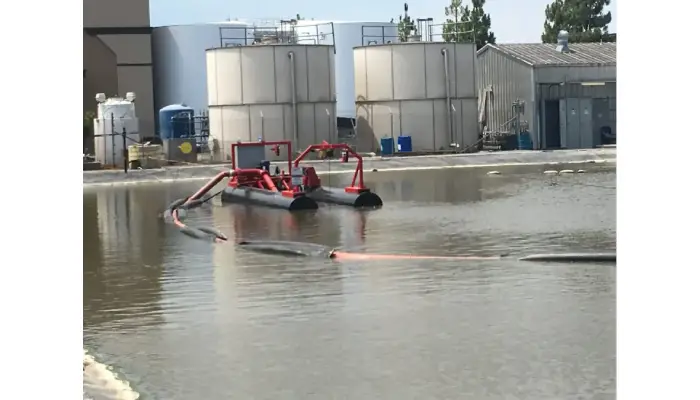
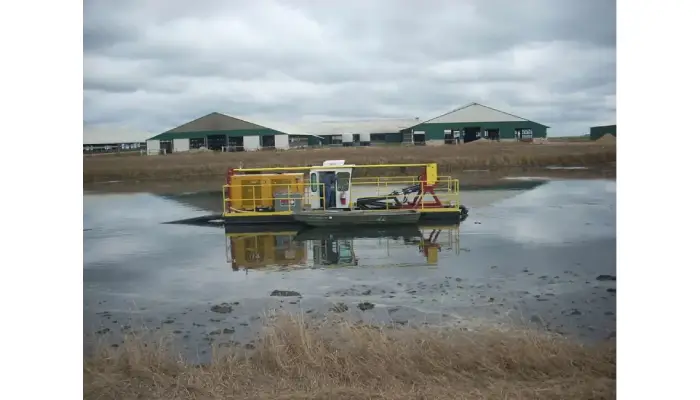
Choosing the right dredging equipment based on lagoon conditions is key to controlling project costs. For large lagoons with soft sludge, hydraulic dredges offer continuous and efficient operation without needing to drain the lagoon, which cuts downtime and labor expenses. In shallow or drained lagoons with dense sediment, mechanical dredges like excavators or clamshells work well but typically involve higher labor and transport costs. When sediments are hardened or compacted, cutter suction dredges provide high productivity but require skilled operators and specialized gear, so factor in training and equipment expenses. Auger dredges are ideal for sensitive or lined lagoons where minimizing turbidity is critical; their low sediment disturbance helps avoid costly environmental mitigation, though their reach and capacity are limited. For small or confined lagoons, portable or amphibious dredges reduce mobilization and setup costs by simplifying transport and deployment. Modern dredging systems equipped with GPS and automation improve precision, reducing operator hours and preventing unnecessary dredging that wastes time and energy. It’s important to match equipment capacity to the sediment volume to avoid underutilization, which leads to inefficiency, or overutilization, which causes excessive wear and higher maintenance costs. Additionally, consider energy consumption and routine maintenance needs, as equipment that uses less power and requires minimal upkeep can lower operating expenses over time. Evaluate the complexity of transporting and setting up the dredge to minimize downtime and related costs. Sometimes investing more upfront in reliable, efficient equipment pays off by reducing long-term operational expenses and project delays. For example, using a GPS-guided hydraulic dredge in a large lagoon with soft sludge can streamline the job while cutting labor and energy costs compared to mechanical alternatives. In contrast, a small lined lagoon might be best served by a portable auger dredge to protect liner integrity and reduce sediment plumes, avoiding environmental penalties.
Using Technology to Improve Dredging Efficiency
Applying technology in lagoon dredging can significantly lower costs by improving precision and reducing wasted effort. GPS-guided systems allow operators to target sediment-rich spots exactly, avoiding unnecessary dredging that burns fuel and wears equipment. Real-time sensors that measure sediment density help adjust pump speeds and cutter settings on the fly, optimizing energy use and reducing wear. Cameras and monitoring devices track progress continuously, minimizing costly rework caused by missed or uneven sediment removal. Automation plays a key role by cutting labor expenses and improving safety, especially when combined with remote operation and GPS guidance, which also reduce operator fatigue and increase accuracy. Scheduling dredging during environmentally non-sensitive times avoids mitigation costs and regulatory delays. Software tools for project planning and data tracking keep budgets on target and highlight inefficiencies early. New materials like absorbent polymers improve sludge handling by reducing volume and making disposal easier. In some cases, bio-dredging methods can biologically break down sludge, lowering disposal and treatment expenses. Together, these technologies enhance dredging efficiency, reduce operational costs, and support better environmental compliance.
Techniques to Lower Sludge Handling and Disposal Costs
Reducing sludge volume before transport is a key way to cut hauling expenses. Dewatering methods like geotextile bags allow water to drain onsite, making sludge easier and cheaper to move. Centrifuge dewatering dries sludge faster, which lowers hauling weight but needs a bigger upfront investment. Where there is enough space, settling ponds or drying beds provide a low-cost option to let sludge dry naturally over time. Testing dredged sludge for reuse can offset disposal costs. Nutrient-rich sludge, once treated, can serve as soil amendments or fertilizers. Sediments containing sand or clay can be repurposed for construction fills or land reclamation projects, turning waste into a resource. Handling hazardous sludge correctly is crucial to meet regulations and avoid costly penalties or cleanup liabilities. Streamlining sludge logistics by planning routes and minimizing handling time helps reduce labor and transportation expenses. Partnering with recycling or reuse facilities can create opportunities to share disposal costs or even generate revenue from the dredged material. Overall, combining dewatering, reuse, proper treatment, and smart logistics is the best approach to lowering sludge handling and disposal costs on lagoon dredge projects.
- Apply dewatering methods to reduce sludge volume before transport, lowering hauling costs.
- Use geotextile dewatering bags for onsite water removal and easier sludge transport.
- Employ centrifuge dewatering for faster drying, despite higher equipment investment.
- Utilize settling ponds or drying beds where space allows for low-cost dewatering.
- Test dredged sludge for reuse potential as soil amendments or fertilizers after treatment.
- Repurpose sediments with sand or clay for construction or land reclamation materials.
- Properly treat hazardous sludge to comply with disposal regulations and avoid liabilities.
- Optimize sludge handling logistics to reduce handling time and labor expenses.
- Plan disposal routes and sites carefully to minimize transportation distance and fees.
- Explore partnerships with reuse or recycling facilities to offset disposal costs.
Meeting Environmental Rules to Prevent Penalties
Adhering to environmental regulations is crucial to avoid costly fines and delays during lagoon dredge projects. Scheduling regular maintenance dredging helps prevent emergency interventions that often carry higher expenses and penalties. Employing low-turbidity dredging methods, such as auger or hydraulic dredges, minimizes disturbance to water quality, reducing the risk of violations. Containing sediment plumes with silt curtains or geotextile barriers further protects surrounding ecosystems from contamination. Conducting thorough environmental impact assessments before starting ensures that dredging activities align with local and federal regulations. Keeping all permits current and strictly following their conditions prevents work stoppages and legal issues. Training staff on environmental best practices reduces accidental breaches that can lead to fines. Maintaining detailed records of dredging operations allows you to demonstrate compliance during inspections. Coordinating early and openly with regulatory agencies can address concerns proactively and avoid surprises. Avoiding dredging during sensitive wildlife breeding or migration periods limits ecological harm and regulatory restrictions. Finally, promptly implementing mitigation measures if environmental impacts are detected helps maintain good standing with regulators and the community, ultimately saving money and preserving project timelines.
Innovations That Cut Operational Costs
Automated dredging systems have become a game-changer in reducing labor costs while improving operational safety. By minimizing the need for manual control, these systems lower the risk of human error and accidents on site. Integrating GPS and real-time monitoring allows operators to target sediment removal precisely, avoiding unnecessary dredging that wastes time and resources. Advanced materials such as super absorbent polymers help reduce sludge moisture content, significantly cutting the volume of material that requires disposal, which directly reduces hauling and landfill expenses. Bio-dredging techniques offer a sustainable alternative by using biological processes to break down sludge naturally, lowering the amount of waste for disposal and minimizing environmental impact. Remote operation capabilities further reduce costs by decreasing onsite staffing requirements and eliminating frequent travel expenses. Data analytics can optimize dredging patterns and equipment utilization, ensuring the project runs as efficiently as possible. Employing energy-efficient pumps and motors reduces fuel and electricity consumption, which adds up over the duration of a project. Modular dredging units provide flexibility with faster setup and redeployment, saving both time and labor costs when working on multiple lagoon sites. Staying informed on emerging dredging technologies and partnering with technology providers ensures access to the latest innovations and support, helping maintain cost-effective operations over time.
Operational Practices to Reduce Equipment Downtime
Reducing equipment downtime starts with thorough operator training to ensure efficient handling and minimize the risk of breakdowns. Regular preventive maintenance and frequent inspections help catch potential issues early, allowing worn parts to be replaced before they cause costly failures. Planning project schedules to limit the number of mobilizations and demobilizations can significantly cut downtime related to setup and teardown. Using modular or portable dredging systems speeds deployment and reduces setup time, keeping operations moving smoothly. Keeping critical spare parts onsite shortens repair turnaround, while monitoring equipment performance data allows maintenance to be predicted and scheduled proactively. Safety protocols are essential to prevent accidents that could damage equipment, and close coordination between operators and maintenance teams during dredging helps address issues quickly. Engaging experienced consultants can also optimize workflows, reducing delays and ensuring equipment runs reliably throughout the project.
Investing in Long-Term Savings Through Maintenance
Investing in high-quality, efficient dredging equipment is a key step toward lowering long-term costs. Better machinery reduces the frequency of dredging cycles because it operates more effectively and with less wear. Maintaining lagoon capacity through regular dredging helps prevent costly overflows and protects infrastructure from damage, avoiding emergency repairs that can quickly escalate expenses. Scheduling consistent maintenance and servicing of dredging equipment extends its lifespan and cuts down on unexpected breakdowns, which often lead to expensive downtime and repairs. Tracking equipment usage and condition through data-driven maintenance planning allows operators to anticipate when parts need replacement or upgrades, preventing costly failures. Additionally, training operators to use equipment properly maximizes performance and reduces wear, further extending service life. Sustainable dredging and sludge management practices not only improve regulatory compliance but also reduce environmental impacts, which can open doors to grants or funding opportunities that offset project costs. Establishing long-term contracts with service providers secures cost stability and priority support, helping avoid premium charges during peak demand or emergencies. Regularly reviewing and updating maintenance routines to include new technologies and methods ensures ongoing efficiency and cost-effectiveness. For example, using GPS-guided monitoring to plan maintenance can avoid unnecessary servicing and catch issues before they become major problems. Overall, a strategic focus on maintenance and sustainability creates financial benefits that go beyond immediate savings, supporting reliable lagoon operations with fewer surprises and lower lifecycle costs.
Summary of Effective Cost-Cutting Strategies
Starting with detailed site and sediment assessments is crucial to accurately scope lagoon dredging projects and avoid unnecessary expenses. Selecting the right dredging equipment based on lagoon size, sediment characteristics, and environmental considerations helps optimize efficiency and reduce labor and mobilization costs. Incorporating GPS-guided and automated dredging technologies improves precision, limits over-dredging, and lowers labor needs. Efficient sludge dewatering methods, such as geotextile bags or centrifuges, paired with exploring beneficial reuse options, can significantly cut disposal costs. Maintaining strict compliance with environmental regulations prevents costly fines and project delays. Routine maintenance dredging is a smart approach to avoid expensive emergency operations resulting from neglected lagoons. Innovations like bio-dredging and the use of absorbent polymers contribute to operational savings by reducing sludge volume and treatment requirements. Training operators and performing regular equipment maintenance minimizes downtime and repair expenses. Careful logistical planning reduces costs associated with mobilization, transport, and setup. Combining these strategies, technology, thorough planning, and best practices, results in more cost-effective lagoon dredging projects without compromising environmental responsibility or quality.
Frequently Asked Questions
1. What are some effective ways to reduce fuel consumption during lagoon dredge projects?
To lower fuel use, focus on planning efficient dredging routes, using equipment at optimal speeds, and maintaining machines properly. Avoiding unnecessary idling and operating during cooler parts of the day can also help minimize fuel waste.
2. How can project managers improve equipment utilization to cut costs on dredging tasks?
Managers can schedule equipment use to prevent downtime, cross-train operators for flexibility, and perform regular maintenance to avoid breakdowns. Choosing the right size and type of dredge for the job prevents overuse or underuse, maximizing productivity and reducing expenses.
3. In what ways can planning and site assessment contribute to saving money on lagoons dredging?
Thorough site surveys help identify the most sediment-heavy areas, so efforts can be concentrated where they matter most. Proper planning minimizes unexpected issues, reduces equipment wear, and shortens project duration, all of which lead to cost savings.
4. How does environmental management during lagoon dredging projects influence overall expenses?
Careful handling of dredged materials to prevent contamination and erosion reduces the risk of fines and costly repairs. Implementing erosion control measures and following environmental guidelines can avoid delays and additional cleanup costs, keeping budgets in check.
5. What role does workforce training play in optimizing costs for lagoon dredge jobs?
Well-trained crews can operate equipment more efficiently, spot potential problems early, and maintain safety standards that reduce accidents. This leads to fewer delays, less damage to equipment, and better overall project flow, helping keep costs down.
TL;DR Cutting costs on lagoon dredge projects starts with thorough site assessments and careful planning to avoid unexpected expenses. Choosing equipment that matches lagoon conditions and using GPS-guided, automated dredging boosts efficiency and reduces labor. Efficient sludge dewatering and exploring reuse options lower disposal costs. Staying ahead of environmental regulations prevents fines and costly delays. Investing in regular maintenance and operator training minimizes downtime and long-term expenses. Leveraging innovations like bio-dredging and absorbent materials can offer additional savings. Overall, a strategic mix of planning, technology, and compliance keeps dredging projects cost-effective and environmentally sound.