

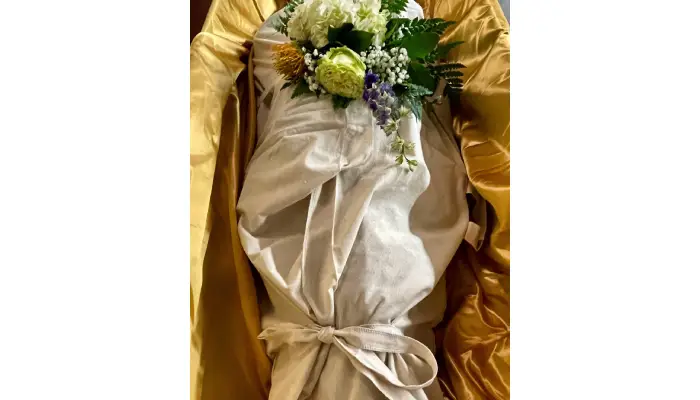
Respecting Iranian burial customs in Southern California requires understanding both Muslim and Zoroastrian traditions, as well as local adaptations. For Muslim burials, the body is ritually washed and shrouded in white, with burial ideally within 24 hours facing Mecca. Funeral prayers at mosques or chapels are common, followed by mourning ceremonies on certain days. Zoroastrian practices involve ritual washing and prayers from the Avesta, with burials taking place in consecrated cemetery sections adapting traditional rites to local rules. Using funeral homes like Friends Funeral Home that specialize in Iranian customs helps ensure respect for these practices. Engaging local religious centers and community groups provides guidance and support during this sensitive time.
Understanding Iranian Muslim Burial Customs
Iranian burial in Southern California, the burial process follows specific Islamic rites that emphasize cleanliness, respect, and community involvement. The body of the deceased is first washed, known as ghusl, by close family members or appointed individuals who perform this task with care to ensure ritual purity. After the washing, the body is wrapped simply in a white shroud called a kafan, which is free of any adornments or decorations, reflecting humility and equality in death. Burial typically takes place as soon as possible, ideally within 24 hours, in line with religious guidelines and community expectations to honor the deceased promptly. The grave is carefully prepared so that the body faces Mecca, the Qibla direction, which is a key element in Islamic burial customs. Funeral prayers, called Salat al-Janazah, are held with the community gathering either at a mosque or a funeral home chapel, providing spiritual support and collective remembrance. Mourning continues beyond the burial with ceremonies on the 3rd, 7th, and 40th days, where family and friends come together to pray and offer support. During this time, mourners traditionally wear black and avoid grooming or beauty routines as visible signs of grief and respect. Condolences are expressed using customary Persian and Arabic phrases that often invoke God’s mercy and forgiveness for the departed. Close family and friends also recite Quranic verses and supplications to honor the deceased and seek blessings. The community often shows solidarity by preparing meals for mourners and assisting the family with practical needs, helping to ease the burden during this difficult period.
- The body is washed (ghusl) by family members or appointed persons following Islamic rites, ensuring cleanliness and ritual purity.
- After washing, the deceased is wrapped in a simple white shroud (kafan) without any adornments.
- Muslim burials are ideally held within 24 hours to comply with religious guidelines and community expectations.
- The grave is dug so the body faces Mecca (Qibla), aligning with Islamic tradition for burial orientation.
- Funeral prayers (Salat al-Janazah) are performed usually at a mosque or funeral home chapel with community attendance.
- Mourning periods include ceremonies on the 3rd, 7th, and 40th days after burial, marked by gatherings and prayers.
- Mourners traditionally wear black clothing and avoid grooming or beauty practices during the mourning period as signs of respect and grief.
- Condolences are expressed verbally with phrases in Persian and Arabic, often invoking God’s mercy and forgiveness for the deceased.
- Family members and close friends recite Quranic verses and supplications to honor the deceased and seek blessings.
- Community support during funerals includes preparing food for mourners and assisting the family with logistical needs.
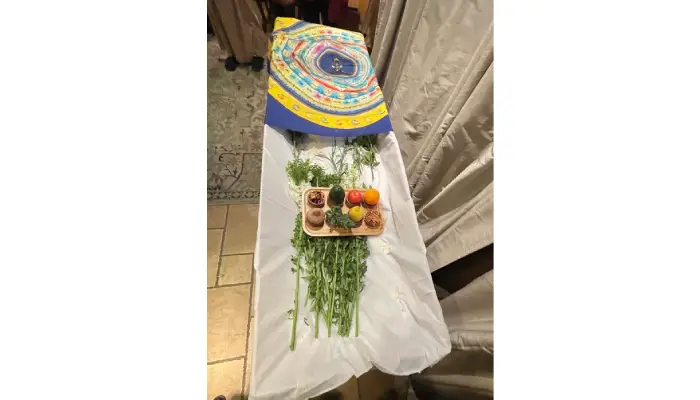
Overview of Iranian Zoroastrian Burial Practices
Traditional Zoroastrian burial practices, such as the exposure of the dead in Towers of Silence (Dakhma), are no longer observed in the Iranian diaspora, including Southern California. Instead, the community has adapted these customs to fit local laws and cultural contexts while maintaining core religious values. Before burial, the body is ritually washed by priests or family members to preserve ritual purity. After washing, the deceased is wrapped in a plain white shroud, symbolizing purity and simplicity. During the burial ceremony, trained priests recite prayers from the Avesta, the sacred Zoroastrian texts, emphasizing respect for natural elements like fire, earth, and water. These elements are treated carefully to avoid contamination and impurity. Burials take place in designated cemeteries with consecrated plots approved by Zoroastrian associations to ensure adherence to tradition. Post-burial, memorial prayers and ceremonies are held at specific community-prescribed intervals, adapted to local practice. Volunteer groups within the Southern California Zoroastrian community often assist families by guiding them through rituals and managing funeral logistics. Throughout all these adapted rites, maintaining spiritual purity and honoring the natural elements remain central, reflecting a balance between traditional religious requirements and compliance with California’s legal framework.
Finding Funeral Homes Experienced with Iranian Customs in Southern California
Several funeral homes in Southern California specialize in serving the Iranian community by offering culturally sensitive Muslim and Zoroastrian funeral services. One notable example is Friends Funeral Home, which has strong ties to the Iranian community and is familiar with the specific rites such as ritual washing (ghusl), shrouding, and ensuring the burial faces Mecca for Muslim clients. These funeral homes understand that Iranian families may have diverse preferences, including non-orthodox or combined customs, and they offer flexibility to accommodate those wishes while respecting tradition. Beyond the rituals, they assist with legal paperwork, permits, and coordination with local cemeteries to smooth the burial process. For families considering repatriation of their loved ones to Iran, these funeral homes handle complex tasks like customs clearance and international shipping. Many also collaborate closely with local mosques, Islamic centers, and Zoroastrian groups to provide religious officiants and prayers, ensuring the funeral aligns with spiritual needs. To ease communication, some have multilingual staff fluent in Persian and familiar with religious terms. They also support families emotionally by advising on mourning customs and cultural expectations. This combination of practical assistance and cultural expertise makes these funeral homes vital partners for Iranian families navigating burial customs in Southern California.
How the Zoroastrian Community Supports Burial Rites Locally
The Zoroastrian community in Southern California plays a vital role in preserving and adapting traditional burial rites for local families. Local associations provide detailed guides that explain funeral procedures, prayers, and rituals, helping families navigate the process with respect for their heritage. Trained priests lead Avesta prayers and oversee burial ceremonies to ensure that each step follows ritual correctness. Specific cemeteries or designated plots are reserved for Zoroastrian burials, guaranteeing that the ground is consecrated according to religious standards. Volunteers from the community assist with ritual washing, ceremonial practices, and logistical needs, offering both practical help and emotional support during difficult times. Memorial services are held at prescribed intervals to honor the deceased and provide comfort to grieving relatives. The community also educates members on how to adapt traditional customs to comply with California’s health and safety regulations, emphasizing the preservation of purity by avoiding contamination of fire and water, which are sacred elements in Zoroastrianism. Continuous communication between families and religious leaders ensures that rites are performed properly and respectfully. Beyond individual families, the community encourages collaboration with broader Iranian and local religious groups, fostering shared resources and guidance that benefit everyone involved.
Choosing Cemeteries That Respect Iranian Burial Traditions
When selecting cemeteries in Southern California for Iranian burials, it is important to find locations that honor the specific customs of the community. Several cemeteries have dedicated sections that accommodate Muslim burials, ensuring graves face Mecca as required by Islamic tradition. For Iranian Zoroastrians, burial plots are often arranged through community associations in consecrated areas, reflecting their rituals and respect for purity. Families should contact funeral homes early to coordinate cemetery arrangements, as many funeral providers work closely with cemeteries familiar with Iranian customs. Some cemeteries also permit ritual washing and other ceremonial rites on-site or nearby, helping families perform necessary religious practices smoothly. Grave markers can be customized to reflect Iranian cultural and religious identities, including inscriptions in Persian or relevant symbols. Cemetery policies may support mourning visits and memorial ceremonies consistent with Iranian traditions, including access for prayer gatherings. It is advisable to confirm rules regarding ritual practices involving fire, water, or other elements, especially for Zoroastrian rites. Coordinating with cemetery staff ensures compliance with both religious customs and local regulations, reducing logistical challenges and providing families peace of mind during a difficult time.
Connecting with Iranian Mosques and Zoroastrian Groups for Guidance
Local Iranian mosques and Islamic centers play a vital role in supporting families through Muslim burial rites in Southern California. They provide religious leaders who conduct funeral prayers (Salat al-Janazah) and offer guidance on important rituals such as the ritual washing (ghusl), shrouding, and ensuring the grave faces Mecca. Early contact with these centers helps families plan timely ceremonies that honor Islamic traditions while navigating local regulations. Similarly, Zoroastrian groups serve as essential resources for those following Zoroastrian customs. These organizations offer officiants trained in reciting prayers from the Avesta and oversee burial ceremonies adapted for the diaspora, often held at designated Zoroastrian centers or cemeteries. Both mosques and Zoroastrian associations provide educational materials on prayer recitations, ritual purity, and mourning practices, helping families understand the significance of each step. Community leaders within these groups assist in coordinating funeral timings, religious services, and cultural observances, ensuring that traditions are respected amid the challenges of living outside Iran. They also offer support networks that comfort families during the burial and mourning period, including organizing communal memorial events and connecting families with volunteer teams who help with logistics and ceremonial details. Importantly, these organizations maintain archives of Iranian burial customs adapted to Southern California’s cultural and legal landscape, offering practical advice on how to honor ancestral rites while complying with local laws. Engaging with these religious and cultural groups early can make a significant difference in carrying out respectful and meaningful burial ceremonies aligned with Iranian traditions.
Key Religious Requirements for Muslim and Zoroastrian Burials
Muslim burials require the body to be washed promptly through a ritual called ghusl, typically performed by family members or designated individuals following Islamic guidelines. After washing, the deceased is shrouded in a simple white cloth known as the kafan. Burial should happen as soon as possible, ideally within 24 hours, with the grave oriented so the body faces Mecca (Qibla). Funeral prayers, called Salat al-Janazah, are performed, often at a mosque or funeral home chapel. Mourning is observed with ceremonies on the 3rd, 7th, and 40th days, during which mourners wear black and refrain from beauty or grooming activities. Condolences are offered verbally using respectful Persian or Arabic phrases, and the community gathers to support the bereaved.
In Zoroastrian burials, ritual washing is also essential, performed by priests or family members, with the body wrapped in a white shroud. Although traditional exposure of the body in Towers of Silence is no longer practiced in the diaspora, including Southern California, adapted burial rites still emphasize ritual purity. Prayers from the Avesta, the Zoroastrian holy texts, are recited during burial and memorial ceremonies. Respect for the purity of natural elements such as fire, earth, and water is critical, so care is taken to avoid contaminating these elements during the process. Burial plots are consecrated, and ceremonies are conducted in designated cemeteries or Zoroastrian centers. Community prayers and gatherings support the family and honor the deceased, reflecting humility through simple burial clothing and modest grave markers.
Both Muslim and Zoroastrian customs share an emphasis on simplicity and humility in burial attire and grave markers. The orientation of the grave differs: Muslims ensure the body faces Mecca, while Zoroastrians focus on maintaining ritual purity of the burial site. Timing is also important; Muslims prefer burial within 24 hours, whereas Zoroastrian practices vary by community but remain respectful of tradition. Mourning periods involve specific rituals and community support, with families expected to observe prescribed behaviors including abstaining from celebrations and offering condolences appropriately. Understanding and honoring these key religious requirements helps ensure respectful observance of Iranian burial customs in Southern California.
Respecting Mourning Traditions and Offering Condolences Properly
In Iranian culture, mourning is a deeply respectful period marked by specific rituals and behaviors that show sympathy and support to the grieving family. For Muslims, ceremonies on the 3rd, 7th, and 40th days after burial are important milestones, often involving prayers and gatherings where attendees express condolences using traditional Persian or Arabic phrases invoking God’s mercy, such as “Inna Lillahi wa inna ilayhi raji’un.” Likewise, Zoroastrians hold memorial prayers at prescribed intervals, reciting verses from the Avesta and observing community customs that honor the deceased while maintaining ritual purity. Mourners typically wear black clothing and refrain from grooming or beautification, signaling visible respect and grief. Attending memorial services and offering food or practical help to the bereaved family are common and appreciated ways to provide support. It is important to respect the family’s wishes regarding the size and style of funerals and mourning practices, as these may vary widely depending on religious beliefs or personal preferences. Avoiding loud celebrations or inappropriate behavior during mourning periods reflects cultural sensitivity. When offering written or verbal condolences, including Quranic or Avesta verses can be meaningful, but it is essential to remain respectful and calm, maintaining a quiet presence that aligns with Iranian mourning norms. This thoughtful approach helps honor the traditions and provides comfort to those in mourning within the Southern California Iranian community.
Adapting to Family Wishes and Cultural Sensitivities
Iranian families in Southern California often have varied beliefs and preferences when it comes to burial practices, ranging from traditional religious customs to secular or mixed views. Funeral homes like Friends Funeral Home recognize this diversity and offer flexible services that can be tailored to each family’s wishes. For example, some families may want to blend a celebration of life with customary rituals, creating a meaningful experience that honors both tradition and personal values. Language also plays a key role in ensuring everyone feels included: prayers and ceremonies may be conducted in Persian, English, or Arabic depending on the family’s comfort level. Gender sensitivities are important, especially during ritual washing or prayer gatherings, so funeral providers and religious leaders often accommodate separate arrangements when requested. Many families appreciate the option to include modern or non-traditional elements alongside established customs, such as using multimedia tributes or personalized readings. Hospitality and dietary customs during mourning gatherings are also respected, with careful attention given to any food restrictions or cultural etiquette. When working with religious officiants, families can ask for adjustments to prayers or ceremonies to better reflect their beliefs or preferences. Decisions about burial versus cremation are handled with sensitivity to both personal convictions and local legal requirements. Clear and open communication among funeral homes, religious leaders, and families helps avoid misunderstandings and ensures that the final arrangements honor the deceased while respecting the family’s cultural and spiritual needs.
Navigating Legal and Logistical Steps for Burial or Repatriation
When planning a burial or repatriation for an Iranian loved one in Southern California, understanding and following local laws is essential. California regulates the timing of burial, requiring permits and adherence to cemetery rules. Funeral homes play a key role by coordinating with local authorities to obtain death certificates and burial permits, ensuring all documentation is in order. If the deceased is to be buried within California, transportation must follow strict protocols for handling and sanitation to meet health regulations. For families wishing to repatriate the body to Iran, funeral homes assist with necessary customs paperwork, embalming if required, and international shipping arrangements. This process involves close coordination with consulates and airlines to avoid delays. Early planning is crucial to prevent any hold-ups in burial or transport. Funeral homes also help schedule ceremonies by connecting families with cemeteries and religious leaders, ensuring that customs like burial orientation and prayers are respected. It is important to review cemetery documentation and rules beforehand, especially regarding burial plots and any special accommodations like facing Mecca. Additionally, families should discuss funeral expenses, insurance, and payment options early on to manage costs effectively. By combining respect for Iranian customs with compliance to California laws, families can navigate this difficult time with greater clarity and peace of mind.
Frequently Asked Questions
1. What are some key Iranian burial customs to be aware of when attending a funeral in Southern California?
Iranian burial customs often include ritual washing of the body, placing the deceased on a plain white shroud, and a funeral prayer service called Salat al-Janazah. Respecting these practices means dressing modestly, being quiet and respectful, and following any instructions from the family or religious leaders on site.
2. How can I respectfully participate in an Iranian memorial service if I am unfamiliar with the traditions?
If you’re new to Iranian memorial traditions, it’s best to observe quietly and follow the lead of family members and religious leaders. Simple acts like standing during prayers, refraining from loud conversations, and offering condolences in a sincere manner show respect without needing to fully understand every detail.
3. Are there specific behaviors or things I should avoid at an Iranian burial ceremony in Southern California?
Yes, avoid wearing bright or flashy clothing, being loud, or taking photos without permission. It’s also important not to bring food or flowers unless invited to do so, and to avoid interrupting religious rituals or conversations between mourners.
4. Is it important to bring gifts or offerings when visiting the family of the deceased in Iranian culture here?
Generally, it’s not necessary to bring gifts to the burial service itself. However, small gestures like bringing food to the family’s home during the mourning period, or simply offering your time and support, are appreciated ways to show sympathy and respect.
5. How can I show respect if I do not speak Persian or understand the prayers during an Iranian burial service?
Language differences won’t prevent you from showing respect. You can follow the general mood by being quiet and attentive, standing when others stand, and offering a respectful nod or handshake to the family. These nonverbal cues communicate empathy and acknowledge the significance of the moment.
TL;DR This blog post covers how to respectfully handle Iranian burial customs in Southern California, focusing on both Muslim and Zoroastrian traditions. It outlines key religious practices like ritual washing, shrouding, burial orientation, and memorial ceremonies. It highlights local resources including funeral homes familiar with Iranian customs, Zoroastrian community support, and cemeteries accommodating traditional rites. The post also advises connecting with Iranian mosques and groups, respecting mourning customs, and balancing family wishes alongside legal steps for burial or repatriation.