

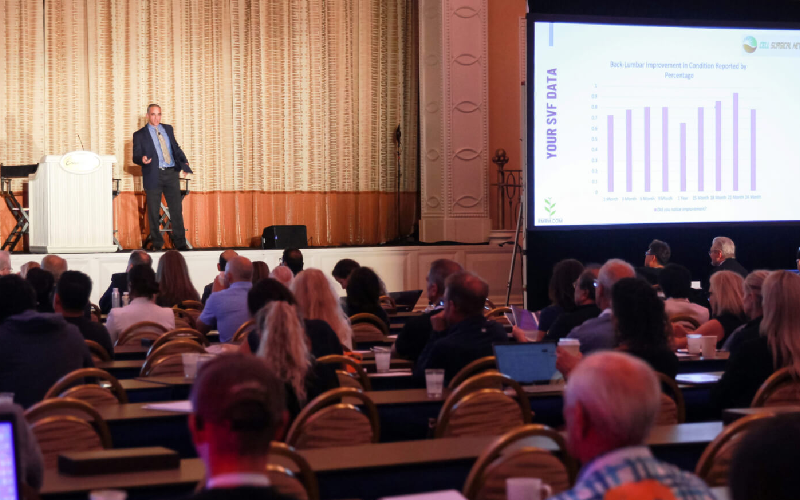
Regenerative medicine conferences play a key role in shaping healthcare trends by bringing together researchers, clinicians, industry experts, and policymakers. These events allow the sharing of new scientific findings and innovative technologies like gene editing and 3D bioprinting, which helps speed up clinical applications. They also encourage collaboration across multiple fields, biology, engineering, business, reducing duplicated efforts and improving success rates for startups. Besides advancing research, these conferences influence policy discussions on regulation and reimbursement models critical for therapy access. By fostering leadership development and including patient perspectives, they create a community that drives ongoing innovation and commercial growth in regenerative medicine.
Facilitating Knowledge Exchange on Regenerative Medicine Advances
Regenerative medicine conference provide a focused platform for sharing the latest scientific discoveries, including breakthroughs in stem cell biology and tissue engineering. Attendees get access to clinical trial updates that reveal new therapies’ safety and effectiveness, helping clinicians and researchers stay informed about emerging treatment options. Cutting-edge technologies like 3D bioprinting and CRISPR gene editing are often demonstrated and debated, offering insights into their potential and limitations. Experts from both academia and industry address challenges such as scaling up production of regenerative products, ensuring that scientific advances can be translated into scalable therapies. Sessions also spotlight innovations in biomaterials that enhance cell growth and integration in damaged tissues, a critical step for improving therapeutic outcomes. Workshops and poster sessions encourage direct interaction, fostering real-time idea exchange and collaboration. The involvement of diverse participants ensures research aligns with practical clinical needs and industry realities. Additionally, new preclinical models like organ-on-chip systems are introduced, improving the accuracy of disease modeling and drug testing. Comprehensive discussions across various disease applications broaden understanding, while invited speakers summarize the current state of the field, highlight knowledge gaps, and suggest future directions. This dynamic exchange of knowledge accelerates progress and helps shape the trajectory of regenerative medicine.
- Conferences offer a dedicated space for sharing recent scientific findings, including breakthroughs in stem cell biology and tissue engineering.
- Clinical trial updates are presented, allowing attendees to review emerging therapies’ efficacy and safety data.
- Technological advances like 3D bioprinting and gene editing tools such as CRISPR are demonstrated and debated.
- Experts from academia and industry discuss challenges in scaling up production of regenerative products.
- Sessions highlight innovations in biomaterials that improve cell growth and integration in damaged tissues.
- Workshops and poster sessions create opportunities for direct interaction and real-time exchange of ideas.
- Cross-sector participation ensures that academic research aligns with industry needs and clinical realities.
- Emerging preclinical models, including organ-on-chip systems, are introduced to improve disease modeling.
- Detailed discussions of regenerative medicine applications across different diseases broaden understanding.
- Invited speakers present comprehensive reviews of the field’s current status, summarizing knowledge gaps and future directions.

Driving Collaboration Across Disciplines and Sectors
Regenerative medicine conferences play a key role in bringing together experts from diverse fields such as biology, engineering, clinical practice, and business. This mix encourages multidisciplinary teamwork that is essential for developing effective therapies. Partnerships often form or grow stronger between universities, biotech startups, and hospitals during these events, creating a foundation for joint projects that combine scientific innovation with clinical needs. Regulatory representatives also participate, helping innovators understand policy requirements and align their work with evolving guidelines. Informal networking sessions and matchmaking programs frequently lead to collaborative initiatives that might not start otherwise. Sharing lessons from past failures helps everyone avoid repeating mistakes, making better use of limited resources. Cross-disciplinary panels discuss how engineering principles can be integrated with biological insights to design more effective therapies. Additionally, joint ventures and consortia emerge, pooling expertise in manufacturing, clinical trials, and commercialization to streamline development pathways. Workshops focus on improving communication skills needed for teamwork across different sectors, while new collaboration tools are introduced to keep partnerships active beyond the conference itself. These discussions also address how to balance academic freedom with commercial interests, ensuring collaborations remain productive and respectful of all parties involved.
Influencing Innovation and Commercialization Strategies
Regenerative medicine conferences play a key role in shaping how innovations move from the lab to the market. Successful startups often present real-world case studies that highlight the journey from discovery to a viable product, offering valuable lessons on overcoming common hurdles. Venture capitalists use these events to share current investment trends and funding criteria, giving entrepreneurs insight into what attracts financial backing. Presentations frequently address challenges in scaling up manufacturing processes to meet clinical demand, underscoring the importance of robust production strategies. Discussions around intellectual property focus on protecting innovations while enabling strategic partnerships that accelerate growth. Speakers stress the need for clear value propositions to appeal to both customers and investors, which is critical in a competitive market. Different business models tailored to regenerative therapies are examined, including licensing agreements and direct sales approaches, reflecting the unique nature of these products. Talent management is another focus area, with advice on retaining skilled staff in a competitive biotech environment, recognizing that human capital is essential for sustained success. Panel discussions often analyze reimbursement challenges and how to demonstrate cost-effectiveness to payers, which remains a significant barrier to widespread adoption. Industry leaders also emphasize regulatory compliance as a decisive factor in commercial success, highlighting the need to navigate complex approval pathways carefully. Finally, emerging markets and niche applications are identified as promising opportunities for new product development, encouraging companies to explore diverse avenues for growth.
Shaping Policy and Regulatory Frameworks
Regenerative medicine conferences play a key role in addressing regulatory challenges unique to cell and gene therapies, especially around approval pathways that differ from traditional drugs. These forums create opportunities for policymakers and regulators to engage directly with researchers, gaining clearer insights into the latest scientific advances and potential risks. Discussions often focus on evolving reimbursement models, moving beyond one-time payments to support ongoing therapies that may require long-term follow-up and care. Ethical considerations tied to personalized medicine also guide the development of regulatory standards, ensuring patient safety without stifling innovation. Real-time feedback from diverse stakeholders helps regulators adapt policies as scientific knowledge progresses, while workshops provide practical education on compliance and submission processes. Global efforts toward harmonizing regulations are reviewed to ease international product approval, and barriers created by current policies, such as limited patient access, are identified for possible reform. Stakeholders debate how to balance safety, efficacy, and speed in bringing new therapies to market, often illustrated by case studies showing how regulatory frameworks impact commercialization timelines and costs. This ongoing dialogue at conferences helps shape policies that are responsive to the complex and rapidly evolving field of regenerative medicine.
Enhancing Talent Development and Leadership Skills
Regenerative medicine conferences play a key role in developing talent and leadership tailored to this fast-evolving field. Sessions emphasize the importance of building diverse talent pools with expertise spanning science, engineering, and business to address complex challenges. Mentorship programs connect early-career professionals with seasoned leaders, offering guidance and fostering growth. Career development workshops help attendees navigate the biotech landscape, covering aspects like regulatory hurdles and industry dynamics. Leadership talks focus on resilience and adaptability, essential qualities in a field marked by rapid change and uncertainty. Clear communication strategies are highlighted to align cross-functional teams around shared goals, while discussions on flexible team structures encourage innovation and collaboration. Training often includes managing multidisciplinary projects and understanding regulatory complexities, preparing leaders to handle real-world challenges. Networking events further support career advancement by creating connections that can lead to partnerships and new opportunities. Additionally, conversations around fostering inclusive workplace cultures stress the value of creativity and retention. Strategic planning and vision-setting are frequently addressed as critical components for driving successful regenerative medicine ventures forward.
Incorporating Patient Perspectives in Research
Patient perspectives are increasingly recognized as vital in shaping regenerative medicine research. At conferences, patient advocates share their lived experiences with chronic and degenerative diseases targeted by emerging therapies. These firsthand insights help researchers focus on outcomes that truly matter to patients, such as quality of life and long-term functionality, rather than solely clinical or biological markers. Panel discussions often emphasize the ethical development of treatments guided by patient needs and expectations, ensuring that innovation remains grounded in real-world impact. Including patient voices also influences clinical trial design, improving endpoint selection to reflect meaningful benefits and enhancing recruitment by addressing patient concerns. Workshops train researchers on effective engagement techniques, fostering open dialogue that builds trust and transparency between patients and developers. Case studies presented at these events illustrate how incorporating patient feedback can accelerate the adoption of new therapies by aligning treatments with patient priorities. Additionally, advocacy groups highlight challenges around equitable access to regenerative therapies, prompting conversations about reimbursement and value assessments that consider patient perspectives. Collaborative efforts emerging from these conferences integrate patient data to advance personalized medicine, further tailoring therapies to individual experiences and needs.
Highlighting Global Market Trends and Opportunities
Regenerative medicine conferences play a key role in spotlighting global market trends, especially the rapid growth seen in non-traditional regions like Asia-Pacific, where rising investments and lower research costs are creating new hubs for innovation and manufacturing. These events break down market segmentation by cell types such as adult stem cells, induced pluripotent stem cells (iPSCs), and embryonic stem cells, as well as by disease areas including oncology, cardiovascular, neurological, and musculoskeletal disorders. Discussions often focus on how differing regulatory environments across countries impact market entry strategies, with some regions offering more streamlined approval pathways while others present significant hurdles. Conferences also highlight shifting funding landscapes, noting the balance of public grants and private venture capital fueling research and commercialization worldwide. Cross-border partnerships and licensing agreements are emphasized as vital mechanisms for expanding market reach and sharing technology, although challenges like reimbursement disparities and infrastructure gaps remain significant barriers. Emerging trends in personalized regenerative therapies receive attention for their potential to transform treatment paradigms, presenting both promising opportunities and new complexities in manufacturing and distribution. Attendees explore strategies to navigate competitive markets, identify unmet clinical needs, and leverage these insights to shape business models that can thrive amid evolving healthcare demands.
Promoting Innovation in Research Tools and Models
Regenerative medicine conferences play a key role in showcasing cutting-edge research tools that are transforming how therapies are developed and tested. Technologies like organ-on-chip systems replicate human tissue functions with remarkable accuracy, enabling better drug testing and reducing the need for animal models. Advances in biomaterials presented at these events focus on improving cell viability and tissue integration, which are crucial for successful regenerative treatments. Attendees often discuss the development of predictive disease models that streamline preclinical screening, making it more efficient and precise. High-throughput testing platforms introduced at conferences accelerate the pace of therapy development by enabling rapid evaluation of multiple candidates. Another important trend is the integration of computational modeling with experimental methods, which helps refine predictions and optimize research strategies. Conferences also emphasize standardizing research methods to boost reproducibility and facilitate data sharing across institutions. Personalized disease models using patient-derived cells are gaining attention, as they offer more relevant insights for developing targeted therapies. Collaboration between tool developers and end-users ensures innovations meet clinical needs, ultimately lowering costs and shortening development timelines. These advances in research tools not only improve the accuracy and speed of regenerative medicine studies but also support a more reliable pathway from laboratory discoveries to real-world treatments.
Building a Strong Regenerative Medicine Community
Regenerative medicine conferences do more than just present new research; they lay the groundwork for a lasting community that drives the field forward. By establishing communication channels like online forums and newsletters, these events ensure that conversations and collaborations continue long after the conference ends. Follow-up workshops and webinars help maintain momentum by providing ongoing opportunities to share knowledge and address emerging challenges. Conferences also encourage the publication of proceedings, making key findings accessible to a wider audience and fostering transparency. Mentorship networks formed at these gatherings support career growth and facilitate partnerships, connecting early-stage researchers and entrepreneurs with experienced leaders. Inclusion is a priority, with efforts to bring in diverse voices such as patients, regulators, and representatives from underserved regions, enriching discussions and broadening perspectives. Building alliances between academic institutions, industry players, and healthcare systems strengthens the ecosystem by pooling resources and expertise. Additionally, conferences serve as platforms where early-stage companies can gain visibility and attract support, often acting as anchors for regional and global regenerative medicine initiatives. Shared resources like databases and biobanks, developed through these collaborations, enhance collective progress by providing valuable tools for research and clinical application. This community-building approach helps sustain innovation and shapes the future landscape of regenerative healthcare.
Addressing Ethical and Economic Challenges in Regenerative Medicine
Regenerative medicine conferences play a critical role in tackling complex ethical questions, such as the use of embryonic stem cells and gene editing tools like CRISPR. These forums bring together ethicists, researchers, patients, and policymakers to debate concerns around safety, consent, and the broader societal impact of modifying human biology. Equitable access to costly regenerative treatments is another key topic. Discussions often focus on how to design pricing models that encourage innovation while making therapies affordable and accessible across different populations. Economic analyses highlight the high costs and risks involved in research and development, prompting conversations about investment strategies and sustainable funding. Conferences also examine policies to prevent exploitation in clinical trials, ensuring patients are fully informed and protected. Balancing the pressure to commercialize breakthroughs with a patient-centered approach remains a challenge, and these events foster dialogue to align business goals with ethical research priorities. Intellectual property management is frequently debated, aiming to strike a balance between protecting innovations and enabling wider access to life-changing therapies. Transparency and accountability in both clinical and commercial practices are emphasized to build public trust and support responsible growth in the field. Overall, regenerative medicine conferences serve as essential platforms for addressing the ethical and economic challenges that shape the future of healthcare innovation.
Frequently Asked Questions
1. How do regenerative medicine conferences influence the development of new treatments in healthcare?
These conferences bring together experts, researchers, and clinicians to share the latest discoveries and techniques, which helps speed up the development and adoption of innovative treatments in healthcare.
2. In what ways do these conferences help shape the priorities of healthcare providers and researchers?
By highlighting emerging trends, challenges, and successes, the conferences guide healthcare providers and researchers on where to focus their efforts, ensuring resources go toward the most promising areas in regenerative medicine.
3. How do interactions at regenerative medicine conferences affect collaboration across different healthcare fields?
The events encourage networking and partnerships across specialties, which often leads to multidisciplinary approaches in developing therapies and improves communication between scientists, doctors, and industry leaders.
4. What role do regenerative medicine conferences play in addressing regulatory and ethical issues in healthcare?
They provide a platform to discuss regulatory challenges and ethical considerations openly, helping shape policies and best practices that protect patients and support innovation in the field.
5. How do these conferences contribute to raising awareness and education about regenerative medicine among healthcare professionals?
By offering workshops, presentations, and discussions, the conferences update healthcare professionals on current knowledge and skills, improving their understanding and ability to apply regenerative medicine in clinical practice.
TL;DR Regenerative medicine conferences play a key role in shaping healthcare trends by facilitating knowledge exchange, fostering collaboration, and driving innovation. They help align research with patient needs, influence policy and regulation, and promote commercialization and talent development. These events also highlight global market opportunities, advance research tools, build a strong community, and address ethical and economic challenges. Overall, they support the ongoing evolution and clinical adoption of regenerative therapies, contributing to healthcare transformation.