
Home Sleep Apnea Tests (HSAT) offer a convenient way for patients to monitor breathing and oxygen levels during sleep at home, serving as an alternative to traditional lab studies. Dentists, while unable to diagnose sleep apnea themselves, are important in spotting risk factors like jaw or airway issues during check-ups. In some states, dentists may order or help with HSATs but must follow regulations and collaborate closely with sleep doctors who interpret the results and confirm diagnosis. Working together ensures proper patient care, especially when managing treatments like oral appliances. Compliance with laws and insurance rules is also essential for dentists using HSAT in practice.
What Is a Home Sleep Apnea Test (HSAT) and How It Works?
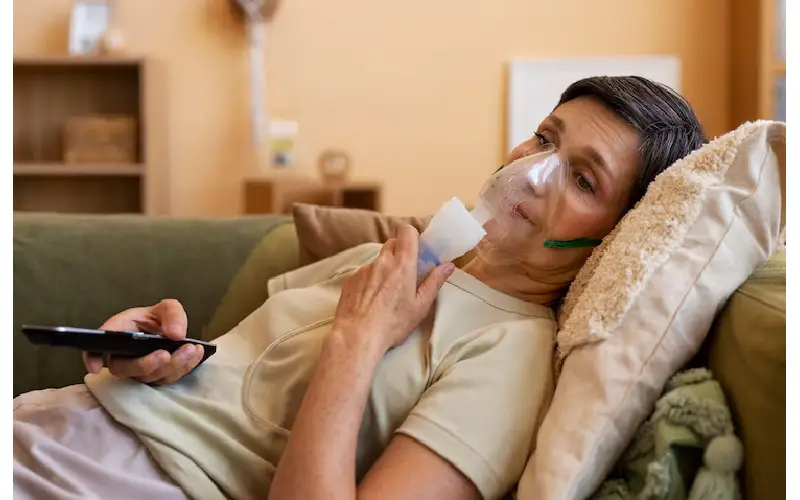
A Home Sleep Apnea Test (HSAT) is a portable device that patients wear at home overnight to monitor key signals related to breathing during sleep. Unlike the traditional in-lab sleep study called polysomnography (PSG), HSAT is unattended and focuses on essential indicators such as airflow, oxygen saturation, heart rate, and respiratory effort. The device gathers this data throughout the night in the patient’s usual sleeping environment, making the test more convenient and less disruptive. After use, the recorded information is sent to sleep specialists who analyze it to confirm or rule out obstructive sleep apnea (OSA). While HSAT monitors fewer channels than a full PSG, it is designed to capture the most relevant data for diagnosing OSA. However, it is important to note that HSAT is not suitable for every patient, especially those with complex sleep disorders or other medical conditions that require comprehensive assessment in a sleep lab. The devices are typically provided through durable medical equipment suppliers or sleep clinics. By offering an accessible option for sleep evaluation outside of clinical settings, HSAT helps support timely diagnosis and can be an important tool in managing sleep-related breathing issues.

How Dentists Screen Patients for Sleep Apnea Risk?
Dentists play an important role in identifying patients who may be at risk for obstructive sleep apnea (OSA) during routine dental exams. They carefully assess anatomical features such as jaw size, tongue position, and the available airway space, which can all suggest a higher likelihood of airway obstruction during sleep. To complement these clinical observations, dentists often use screening questionnaires like the STOP-Bang or the Epworth Sleepiness Scale to gather information on symptoms such as snoring, daytime sleepiness, and other risk factors. Additional signs like bruxism, a scalloped tongue, or enlarged tonsils may also alert dentists to the possibility of sleep apnea. While dentists cannot diagnose OSA themselves, they document these findings and discuss potential concerns with the patient, especially if there are complaints related to snoring, fatigue, or hypertension. Integrating sleep apnea screening into regular dental check-ups helps ensure that patients with potential sleep disorders are flagged early. Dentists also provide education about the signs and health consequences of untreated sleep apnea. When risk is identified, dentists refer patients to qualified sleep physicians for formal evaluation and testing. Establishing clear referral pathways is key to making sure patients receive timely and appropriate follow-up care. This proactive screening approach helps prevent patients from going undiagnosed and supports better overall health outcomes.
Limits on Dentists Diagnosing Sleep Apnea
Dentists play an important role in identifying potential sleep apnea, but they are not licensed to diagnose obstructive sleep apnea (OSA) or interpret sleep study results on their own. Only qualified sleep physicians or specialists have the authority to make a formal diagnosis based on comprehensive sleep study data, including Home Sleep Apnea Test (HSAT) results. Dentists must avoid making diagnostic claims from clinical exams or HSAT data without involving a physician, as regulatory guidelines clearly restrict them from diagnosing or treating OSA independently. For example, while dentists can provide Oral Appliance Therapy (OAT), this treatment should only begin after a confirmed diagnosis by a sleep physician. Clear communication with patients is essential so they understand that diagnosis and interpretation of sleep tests are medical responsibilities, not dental. Misdiagnosis or independent interpretation by dentists can lead to ethical and legal complications. Therefore, dentists should rely on referrals and collaborate closely with sleep physicians to confirm diagnoses. This multidisciplinary approach ensures patient safety and respects the distinct scope of each professional. In practice, dentists focus on screening, referring patients, fabricating oral appliances, and monitoring treatment progress in cooperation with physicians, rather than diagnosing or interpreting sleep apnea themselves.
When Dentists Can Order or Administer HSAT?
In many U.S. states, dentists may order or administer Home Sleep Apnea Tests (HSAT) if their state dental boards permit it and no specific prohibitions exist. However, dentists must carefully verify their state’s laws and scope of practice regulations before engaging in HSAT ordering or administration. For example, while some states allow dentists to coordinate HSAT, others restrict this activity exclusively to physicians. Dentists often collaborate with Durable Medical Equipment (DME) companies or HSAT providers to facilitate the testing process, usually under formal agreements or in partnership with sleep physicians. This collaboration ensures clear roles and responsibilities, including documentation of patient consent and compliance with billing and regulatory requirements. It is important to note that Medicare does not reimburse HSAT tests ordered by dentists; for Medicare patients, only tests ordered and interpreted by physicians qualify for coverage. Dentists should also be aware that they cannot independently interpret HSAT results to diagnose or make treatment decisions. Instead, HSAT data can serve as objective information to assist in oral appliance therapy titration when used alongside physician oversight. Since insurance coverage and reimbursement policies vary, dentists must check these details before ordering HSAT. Staying informed about evolving regulations and maintaining transparent communication with sleep physicians are key to integrating HSAT effectively and compliantly into dental practice.
Working with Sleep Physicians on Sleep Apnea Cases
Collaboration between dentists and sleep physicians is key to effectively diagnosing and managing obstructive sleep apnea (OSA). While physicians are responsible for ordering and interpreting diagnostic studies such as Home Sleep Apnea Tests (HSAT) or polysomnography (PSG), dentists play an important role in evaluating patients’ suitability for oral appliance therapy (OAT). Dentists fabricate and adjust these devices, but treatment decisions should be guided by the physician’s interpretation of sleep study results. Establishing clear communication channels and referral protocols ensures smooth coordination of care. Written agreements between providers can help define roles, billing, documentation, and compliance requirements, reducing misunderstandings and scope of practice conflicts. This joint management approach allows both providers to monitor patient progress and modify therapy as needed, improving safety and treatment outcomes. Thorough documentation of patient interactions and treatment plans by both parties is essential for clinical and legal purposes. For example, a dentist referring a patient with suspected sleep apnea to a sleep physician for HSAT will rely on the physician’s diagnosis to proceed with oral appliance therapy, maintaining ongoing communication to adjust the device based on follow-up studies. Such multidisciplinary care fosters integrated, patient-centered management while ensuring adherence to regulatory and ethical standards.
Legal Rules and Insurance for HSAT in Dental Practice
Dentists must carefully follow state dental practice acts when ordering or administering Home Sleep Apnea Tests (HSAT). These laws vary by state, so verifying local regulations is essential before incorporating HSAT into practice. Medicare specifically excludes reimbursement for HSAT if ordered by dentists; only physicians can order and interpret these tests for Medicare coverage. This means dentists should refer Medicare patients to sleep physicians for testing to ensure proper billing. Federal laws like the Anti-Kickback Statute and Stark Law restrict financial relationships between dentists, sleep physicians, Durable Medical Equipment (DME) suppliers, and HSAT providers. Offering free HSAT devices or any inducements can be considered illegal kickbacks and may result in serious penalties. Proper documentation, including patient consent and detailed records, is crucial to maintain compliance with these regulations. Commercial insurance plans vary widely on HSAT coverage, so dentists should confirm reimbursement policies before ordering tests. Billing must strictly adhere to legal guidelines to avoid accusations of fraud or abuse. Transparency in referrals and financial dealings with HSAT providers helps prevent conflicts of interest and supports ethical practice. Additionally, state dental boards often have specific rules about advertising, ordering, and administering HSAT in dental settings, which dentists need to observe. Staying updated on evolving legal requirements and insurance policies allows dentists to provide HSAT-related services ethically and within the law, supporting their role in the broader sleep apnea care team.
Steps Dentists Take to Use HSAT Safely and Effectively
Dentists must first verify their state regulations to understand the legal scope of ordering and administering Home Sleep Apnea Tests (HSAT). Since rules vary, confirming these boundaries helps avoid compliance issues. Building strong relationships with sleep physicians and accredited HSAT providers is essential for smooth patient care coordination. Dentists use validated screening tools, such as questionnaires and clinical exams, to identify patients who may benefit from sleep testing. When sleep apnea is suspected, dentists refer patients appropriately to sleep physicians who handle formal diagnosis and HSAT ordering, when required by law. Dentists then coordinate with HSAT providers for device delivery, data collection, scoring, and billing, ensuring the process flows efficiently and respects patient privacy. Once HSAT results are available, dentists work with physicians to incorporate this information when monitoring the effectiveness of Oral Appliance Therapy (OAT), but they do not interpret the results independently. Maintaining thorough documentation is critical, including signed patient consent, treatment plans, and detailed communication records with other providers. Dentists must also follow billing, coding, and reimbursement guidelines closely to prevent compliance problems. Educating patients about the roles of each provider involved, the purpose of HSAT, and what to expect helps set realistic expectations and improves patient engagement. Finally, dentists stay informed about evolving regulations and best practices in dental sleep medicine to adapt their protocols and ensure safe, effective care delivery.
- Verify state regulations to confirm the legal scope of HSAT ordering and administration by dentists.
- Establish relationships with sleep physicians and accredited HSAT providers for coordinated care.
- Use validated screening tools to identify patients who may benefit from sleep testing.
- Refer patients appropriately to sleep physicians for diagnosis and HSAT ordering where required.
- Coordinate with HSAT providers for device delivery, data collection, scoring, and billing processes.
- Incorporate HSAT results with physician input to monitor Oral Appliance Therapy effectiveness.
- Maintain thorough documentation including patient consent, treatment plans, and communication records.
- Follow applicable billing, coding, and reimbursement guidelines to avoid compliance issues.
- Educate patients about the roles of providers involved and the purpose of HSAT in their care.
- Stay current with evolving regulations and best practices in dental sleep medicine.
Guidelines from Sleep and Dental Sleep Medicine Groups
The American Academy of Sleep Medicine (AASM) and the American Academy of Dental Sleep Medicine (AADSM) have jointly issued clear guidelines regarding the diagnosis and management of obstructive sleep apnea (OSA). These guidelines emphasize that the diagnosis of OSA and the interpretation of sleep studies, including Home Sleep Apnea Tests (HSAT) and polysomnography (PSG), are responsibilities that belong solely to licensed physicians, preferably sleep medicine specialists. Dentists, while playing a critical role in screening patients and providing oral appliance therapy (OAT), must not independently diagnose or interpret sleep study data without physician collaboration. Dentists are recognized as key partners in the multidisciplinary care team: they identify patients at risk through clinical exams, fabricate and adjust oral appliances, and manage patient follow-up related to dental treatment. However, any follow-up sleep testing after starting oral appliance therapy should be ordered and interpreted by sleep physicians to ensure accurate assessment and safe management. The guidelines also strongly recommend that dentists involved in dental sleep medicine pursue proper training and certification to maintain high standards of care. They stress the importance of clear communication and defined roles between dentists, sleep physicians, and HSAT providers to support coordinated, patient-centered care. By adhering to these consensus statements, dental professionals can operate within their scope of practice while promoting standardized, effective, and compliant care for patients with sleep apnea.
Advantages and Drawbacks of HSAT for Dentists and Patients
Home Sleep Apnea Tests (HSAT) offer clear advantages for both dentists and patients by allowing sleep studies to be done conveniently at home instead of in sleep labs. This at-home setting often leads to better patient compliance since people can use the device in a familiar environment without the need for overnight hospital stays. HSAT is generally more affordable and accessible than traditional in-lab polysomnography, which helps reduce barriers to diagnosis and speeds up the process of identifying sleep apnea. Dentists can support timely screening and treatment by coordinating HSAT, serving as an important link between patients and sleep physicians. However, HSAT has limitations. It provides less comprehensive data than full polysomnography, which may miss complex or subtle sleep disorders. Dentists cannot interpret HSAT results independently since a qualified physician must review the data to confirm a diagnosis. Regulatory restrictions in many states limit dentists’ ability to order or administer HSAT, and reimbursement challenges exist, especially for Medicare patients where dentists are not authorized to order these tests. Technical issues or improper device use at home can affect data quality, potentially leading to inaccurate results. Because of these factors, HSAT should be integrated within a multidisciplinary framework, ensuring that dentists collaborate closely with sleep specialists to maintain patient safety and deliver effective care.
Frequently Asked Questions
1. How can dentists identify signs of sleep apnea during a regular dental checkup?
Dentists can notice physical signs like enlarged tonsils, a small jaw, or a high, narrow palate that might suggest sleep apnea. They also ask about symptoms such as snoring, daytime fatigue, or difficulty concentrating, which can help spot potential sleep problems early on.
2. What role do dentists play in the home sleep apnea testing process?
Dentists can recommend home sleep apnea tests to patients showing signs of sleep issues and guide them on how to use the devices properly. They can also interpret the results alongside sleep specialists to help confirm a diagnosis and discuss treatment options.
3. Why might a dentist be more effective than other healthcare providers at spotting sleep apnea symptoms?
Dentists regularly examine the mouth and jaw, areas directly linked to airway issues in sleep apnea. Their detailed knowledge of oral structures allows them to detect risk factors that others might overlook during routine exams.
4. Can a home sleep apnea test prescribed by a dentist replace an in-lab sleep study?
In many cases, home sleep tests offer a convenient and reliable way to screen for sleep apnea outside the clinic. While they work well for straightforward cases, some patients might still need a more detailed in-lab study for complex or unclear results, which dentists can help coordinate.
5. How do dentists collaborate with other health professionals to manage diagnosed sleep apnea?
Once a sleep issue is diagnosed, dentists often work with sleep doctors, primary care providers, and specialists to create a treatment plan. This may include oral appliances, lifestyle changes, or referrals for further testing and therapy, ensuring a comprehensive approach to patient care.
TL;DR Home Sleep Apnea Tests (HSAT) let patients monitor sleep breathing at home, offering a convenient alternative to lab studies. Dentists play a key role by screening for sleep apnea risks and collaborating with sleep doctors, but they cannot diagnose or interpret HSAT results alone. In some states, dentists may help order or coordinate HSAT, but legal and insurance rules vary, especially concerning Medicare. Working closely with sleep physicians ensures proper diagnosis and treatment. HSAT provides benefits like convenience and cost savings, though it’s less comprehensive than full sleep studies and requires physician involvement to guide care. Dentists should follow regulations and best practices when integrating HSAT into dental sleep medicine.