
Applying for San Diego egg donor programs starts with researching local fertility centers like San Diego Fertility Center or the Fertility Institute of San Diego. First, you’ll complete a confidential online application sharing your health history and reasons for donating. If accepted, you proceed to a pre-screening medical evaluation including physical exams, blood tests, and genetic screening. Next is a psychological evaluation to confirm mental readiness. Afterward, legal counseling reviews the donation terms and consent forms. Once approved, donors undergo hormonal treatments before eggs are retrieved in a minor procedure. Compensation typically ranges from $15,000 to $25,000 per cycle with support throughout.
What Is Egg Donation and How It Works in San Diego?
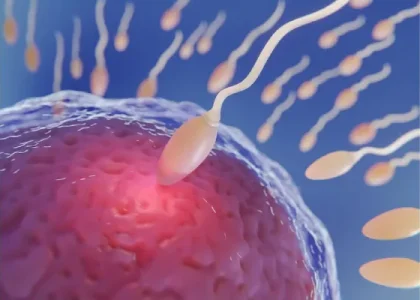
San Diego egg donor programs is a process where healthy women provide their eggs to help others build families, including heterosexual couples, same-sex couples, and single parents. In San Diego, several top fertility clinics offer specialized egg donor programs designed to support these diverse family types. The donation process begins with donors taking birth control pills to regulate their menstrual cycles. After that, donors receive daily hormone injections for about two weeks to stimulate the ovaries to produce multiple eggs. Throughout this period, donors visit the clinic frequently for monitoring, which includes ultrasounds and blood tests to track ovarian response and adjust medication as needed. Once the eggs are ready, they are retrieved in a minimally invasive procedure guided by ultrasound, performed under sedation to ensure comfort. Recovery is usually quick, with donors advised to rest for the remainder of the day. Before starting, donors undergo thorough health screenings, including physical exams, genetic testing, and psychological evaluations, to ensure they are suitable and fully informed. San Diego’s fertility centers follow strict protocols to maintain donor safety and support them throughout the process.

Who Can Become an Egg Donor: Eligibility Requirements?
To qualify as an egg donor in San Diego, candidates typically need to be women between 21 and 28 years old who are in good physical and mental health. Maintaining a stable, healthy body mass index (BMI) is important since extreme weight fluctuations can affect hormone treatments and overall health. Clinics require donors to have no history of genetic disorders or serious medical conditions to reduce risks for both the donor and potential offspring. Smoking and substance abuse history disqualify applicants, as these factors can impact egg quality and personal health during the donation process. Donors must be ready to undergo thorough genetic testing and infectious disease screenings to ensure safety. Psychological readiness is assessed through evaluations to confirm that donors fully understand the medical procedures, time commitments, and emotional aspects involved. Candidates should be prepared to attend multiple medical appointments and follow protocols for hormone injections and monitoring. Additionally, donors must agree to legal requirements, including relinquishing all parental rights to any children conceived with their eggs. A healthy lifestyle free from contraindications to hormone use is essential to minimize complications. Commitment to the entire donation cycle, including recovery time, is necessary to complete the process successfully.
Filling Out the Online Application
The first step in applying for San Diego egg donor programs is completing the confidential online application form available on the fertility center’s website. This form asks for basic personal information such as your age, height, weight, and contact details. You’ll also need to provide a thorough medical history, including any family history of genetic conditions, to help the clinic assess your suitability as a donor. The application will request details about your education and lifestyle habits, like your exercise routine and diet, to paint a complete picture of your overall health. It’s important to answer honestly about your motivation for becoming an egg donor, as well as questions regarding smoking, alcohol use, and other health factors. Accuracy and completeness are key here, since any missing or incorrect information can delay the screening process. Once submitted, the fertility center reviews your application to determine if you meet their initial criteria. If you qualify, you’ll be contacted promptly to move forward with medical screening. This step sets the foundation for your journey as an egg donor, so take your time to provide clear and truthful answers.
- Start by completing the confidential online form on the fertility center’s website.
- Provide personal details such as age, height, weight, and contact information.
- Include your medical history and any family history of genetic conditions.
- List your educational background and lifestyle habits like exercise and diet.
- Explain your motivation for becoming an egg donor honestly.
- Answer questions about smoking, alcohol use, and other health factors.
- Submit the form to begin the preliminary screening process.
- Ensure accuracy and completeness to avoid delays.
- The clinic reviews applications to select candidates for medical screening.
- Applicants are contacted promptly if they meet initial criteria.
Medical Pre-Screening and Testing
After your initial application is approved, you will schedule a physical examination with the fertility clinic to begin the medical pre-screening process. This includes a thorough gynecological exam, where a vaginal ultrasound is performed to assess your ovarian health and overall reproductive condition. You’ll also provide blood and urine samples to check hormone levels, screen for infectious diseases, and evaluate your general health. A drug screening is required to confirm there is no substance abuse. Genetic testing is another important step; it helps identify common inherited conditions to minimize risks for any future children. During this stage, doctors carefully review your medical history in detail and evaluate your overall fitness to undergo ovarian stimulation. The results from these tests will determine whether you move forward to the psychological evaluation. Clinics provide clear instructions beforehand about how to prepare for each test to ensure accurate results. This comprehensive screening process is designed to protect both you and the recipients, ensuring the safety and success of the egg donation procedure.
Psychological Evaluation for Donors
Before moving forward with egg donation in San Diego, donors meet with a licensed mental health professional for a thorough psychological evaluation. This step focuses on discussing the emotional and psychological aspects of donation, ensuring the donor fully understands the process, its risks, and the legal implications involved. The evaluation screens for any mental health conditions that could impact the donor’s suitability and confirms that their motivation to donate is informed and voluntary. During the session, donors have the chance to address any concerns or questions they might have and to explore their coping strategies for potential side effects or emotional outcomes. It’s also important that donors are aware they will relinquish all parental rights to any children born from their eggs. Counseling support is available throughout the donation journey to help donors manage their experience. The results of this evaluation remain confidential and play a key role in determining eligibility for the program.
Step 4: Legal Counseling and Consent Process
Before starting any medical treatments, egg donors in San Diego go through a thorough legal counseling and consent process. This involves reviewing detailed consent forms that clearly outline the entire egg donation procedure, including all potential risks, benefits, and side effects. Donors must understand that by participating, they permanently waive all parental rights to any children born from their donated eggs. The legal counseling also covers confidentiality aspects, explaining whether the donation will be anonymous or if the donor and recipient may know each other, depending on the arrangement chosen. Donors receive information about legal protections in place for both themselves and the recipients, ensuring all parties are safeguarded under state and federal laws. It’s important for donors to ask any questions to clarify legal or procedural concerns, including future contact policies if applicable. Signing these consent documents is mandatory before medical treatments begin, and donors should fully comprehend the long-term implications of relinquishing rights permanently. Fertility centers in San Diego make sure that all paperwork complies with local and federal regulations to protect everyone involved.
Overview of the Egg Donation Procedure
The egg donation process starts with donors taking birth control pills to regulate their menstrual cycle and prepare the body for stimulation. Following this, donors self-administer daily hormone injections for about two weeks to encourage the ovaries to produce multiple eggs. Throughout this period, frequent monitoring through blood tests and ultrasounds tracks the ovarian response, allowing doctors to adjust medication dosages if needed. Once the follicles mature, donors receive a trigger injection that helps the eggs reach full maturity and readies them for retrieval. The actual egg retrieval is a minimally invasive procedure lasting about 20 to 30 minutes, performed under sedation. During the procedure, a needle guided by ultrasound is used to collect eggs from the ovaries. Afterward, donors are monitored briefly to ensure they recover well. Mild side effects like cramping or bloating are common but typically resolve quickly. Donors are given clear post-care instructions to support healing and comfort in the days following the procedure.
Compensation and Support for Egg Donors in San Diego
Egg donors in San Diego typically receive compensation ranging from $15,000 to $25,000 per donation cycle. This pay acknowledges the time, effort, and physical discomfort involved in the process, including hormone injections and the egg retrieval procedure. Fertility centers make sure donors understand financial policies upfront, so there are no surprises about payment details or timelines. Payments are usually processed after the donor completes the donation cycle and has fully recovered.
Beyond financial compensation, donors receive comprehensive support throughout their journey. Clinics provide counseling services to help donors navigate emotional and psychological aspects. Access to medical staff is available for any questions or concerns during treatment, ensuring donors feel informed and cared for. Some programs also assist with travel and accommodation expenses if donors need to commute or stay overnight for appointments.
San Diego fertility centers prioritize confidentiality and respect donor privacy at every stage. Donors can expect clear communication and professional care, creating a supportive environment. Additionally, some programs offer extra bonuses for repeat donors or for donors with specific traits that are in higher demand. This combination of compensation and support helps make egg donation a manageable and rewarding experience for women who choose to help others build families.
Types of Donor Arrangements: Anonymous or Known
When applying for an egg donor program in San Diego, one important decision you will face is choosing between an anonymous or known donor arrangement. In an anonymous donation, the donor’s identity is kept confidential, and no personal information is shared with the recipient family. This option often appeals to donors and recipients who prefer privacy and clear boundaries. On the other hand, a known donation involves some level of contact between the donor and recipients, which may be direct or facilitated by the clinic. Known donors sometimes develop ongoing relationships with the family or set specific boundaries to maintain comfort for all parties involved.
Each arrangement carries different legal and emotional considerations. Donors must fully understand and agree to the chosen type before beginning the process. Fertility clinics in San Diego provide counseling to help donors explore these options and consider their personal feelings about disclosure and future contact. Legal contracts clearly outline the rights and responsibilities for both anonymous and known donations, ensuring that donors relinquish all parental rights regardless of the arrangement.
For example, some donors may prioritize anonymity to avoid future involvement or complications, while others feel comfortable with a known arrangement to see the impact of their donation. Understanding these distinctions and reflecting on personal comfort with disclosure is essential before moving forward in your egg donation journey.
How to Start Your Application for San Diego Egg Donor Programs
To begin your application for egg donor programs in San Diego, start by visiting the official website of the fertility center you’ve chosen, such as San Diego Fertility Center or Fertility Institute of San Diego. There, you’ll find an online application form designed to collect your personal details, health history, and reasons for wanting to donate. It’s important to fill out this form carefully and completely, as accuracy helps speed up the review process. Before submitting, take time to read through the program’s requirements and FAQs to understand what’s expected and what the next steps will involve. After you submit your application, the clinic will review your information and contact you about your eligibility. Don’t hesitate to reach out by phone or email if you have any questions or need to schedule appointments. Once invited, you’ll attend a pre-screening medical evaluation that includes physical exams and tests to ensure your health meets the program’s standards. Following this, you’ll complete psychological assessments and legal steps guided by the clinic staff, including consent forms that clarify your rights and responsibilities. Staying organized and following all instructions promptly will help keep your application on track. Throughout the process, maintain open communication with the clinic to address any concerns and prepare yourself mentally and physically for the donation cycle once you’re approved.
Frequently Asked Questions
1. What are the main steps involved in applying for an egg donor program in San Diego?
The process usually starts with filling out an application form, followed by a medical screening and psychological evaluation. Once approved, you’ll work with the clinic to match with a recipient and complete legal paperwork before donation.
2. How does the screening process ensure that I’m a suitable egg donor?
Screening includes medical tests to check your overall health and genetics, as well as a psychological evaluation to ensure you understand the process and are emotionally prepared. This helps clinics confirm you meet their criteria for safe donation.
3. Can I apply to multiple San Diego egg donor programs at the same time?
Yes, you can apply to several programs, but keep in mind each may have different requirements and timelines. It’s important to keep track of your applications and be honest about your commitments with each program.
4. What kind of information should I be prepared to share during the application?
You’ll need to provide detailed personal information including your medical history, family background, lifestyle habits, and often photos. This information helps clinics match you with suitable recipients and assess your eligibility.
5. How long does the entire egg donation application and approval process typically take in San Diego?
The process can take anywhere from a few weeks to a few months. It depends on how quickly you complete the steps like screening tests, legal requirements, and matching with a recipient, as well as the clinic’s scheduling.
TL;DR Applying for San Diego egg donor programs involves meeting health and age criteria (usually 21-28 years old), completing an online application, and going through medical, psychological, and legal screenings. The donation process includes hormone injections and egg retrieval. Donors receive compensation ranging from $15,000 to $25,000 and can choose between anonymous or known donations. To get started, visit a local fertility center’s website, fill out the application, and follow their guided steps.