
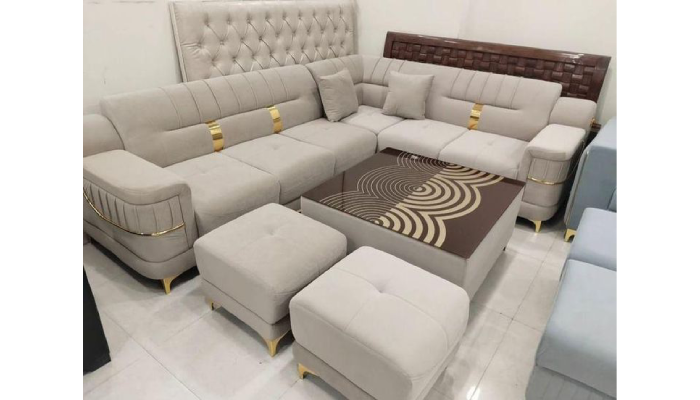
Furniture rental is becoming a popular choice for people who want flexible and hassle-free home furnishing options without the big upfront cost. It especially suits millennials, students, expats, and corporate clients with temporary living needs or frequent moves. Beyond convenience, this model supports sustainability by reducing furniture waste—over 12 million tons of furniture end up in landfills annually in the U.S., but renting extends product life through reuse and refurbishment. Companies are also using eco-friendly materials and optimizing delivery routes to cut emissions. With easy maintenance, customization options, and lower environmental impact, furniture rental offers a practical solution adapting well to modern lifestyles.
What Is Furniture Rental and Who Uses It?
Furniture rental services lets people lease furniture for a set time instead of buying it outright, which offers flexibility and convenience. This option is popular among millennials, students, expatriates, temporary residents, and corporate clients who want to avoid long-term commitments and save money. People who move frequently or live in temporary housing find rental furniture especially helpful since it eliminates the hassle of buying, moving, and reselling bulky items. For example, students and young professionals often choose rental to furnish apartments without the burden of heavy furniture moves. Expatriates benefit too, as renting means they don’t have to deal with the complexities of shipping furniture abroad or selling it before relocating again. Corporations rent furniture for offices, events, or temporary workspaces to reduce upfront costs and maintain flexibility. Rental companies usually offer flexible periods from a few months to multiple years, and many include delivery, assembly, maintenance, and pickup services, making the whole process hassle-free. This approach also lets users try different styles or living arrangements before committing to a purchase. Additionally, renting reduces worries about damage or depreciation during short stays, offering an easy and adaptable furnishing solution for a variety of lifestyles.

How Furniture Rental Cuts Down Waste and Saves Resources?
Furniture rental plays a significant role in reducing waste and conserving natural resources by extending the life of furniture items. Instead of being discarded after a few years, rental furniture is returned, inspected, cleaned, and repaired to ensure it remains in good condition for multiple uses. This process keeps millions of pounds of furniture out of landfills annually, helping to combat the huge volume of furniture waste generated each year. Rental companies often operate on circular economy principles, promoting reuse and repurposing rather than single-use ownership. By using refurbished and reused furniture, the demand for new raw materials such as wood and metal drops, which lowers the environmental impact associated with furniture production. Many rental providers also incorporate sustainable materials like reclaimed wood and recycled plastics into their product lines, further reducing resource consumption. Additionally, optimized delivery schedules and fuller truckloads minimize transportation emissions, making the entire supply chain more eco-friendly. Furniture rentals also tend to feature items certified for low chemical emissions, contributing to healthier indoor environments. Furthermore, rental services support upcycling and creative repurposing of furniture parts, conserving resources that would otherwise be lost. Overall, compared to traditional buy-and-dispose furniture habits, furniture rental leads to lower greenhouse gas emissions and less environmental strain, making it a more sustainable choice for furnishing homes.
Ways Rental Furniture Supports Healthier Living Spaces
Rental furniture often meets GREENGUARD Gold standards, which means it emits very low levels of volatile organic compounds (VOCs). This helps improve indoor air quality, reducing the risk of respiratory issues and allergies. Rental companies regularly clean and maintain their furniture, cutting down on dust buildup and allergens that can accumulate over time in owned furniture. Many providers also choose non-toxic, eco-friendly materials, limiting exposure to harmful chemicals for those living in the space. Modular and multifunctional rental furniture designs promote better space efficiency, enhancing airflow and overall comfort indoors. Frequent refurbishment and safety inspections ensure that furniture remains hygienic and structurally sound, preventing potential health and safety hazards. By adapting to smaller living areas, rental furniture helps avoid clutter and overcrowding, which can negatively affect mental well-being. Additionally, some rental companies offer ergonomic office furniture, supporting proper posture and reducing strain for remote workers and students. Since rental furniture can be quickly replaced if worn or damaged, it lowers the chance of allergens or safety risks building up, unlike long-term ownership where outdated furniture can deteriorate. Overall, sustainable rental options help maintain healthier homes by reducing indoor pollutants linked to traditional furniture manufacturing and disposal.
Cost Benefits and Financial Flexibility of Renting Furniture
Renting furniture offers clear financial advantages by eliminating the need for large upfront investments. Instead of paying thousands of dollars at once, users can furnish their homes with manageable monthly payments that fit their budgets. Subscription and pay-as-you-go rental models provide added flexibility, allowing renters to choose plans that suit their financial situations and rental durations. For example, someone moving frequently for work can avoid tying up money in furniture they might only use temporarily. Another benefit is avoiding depreciation losses common with owned furniture; after short-term use, resale value often drops significantly, whereas rental fees cover use without that risk. Maintenance, repairs, and replacements are typically included in rental agreements, which helps renters avoid unexpected costs that come with ownership. Renters also have the freedom to upgrade or swap furniture without facing extra purchase or disposal fees, making it easier to adapt to changing tastes or needs. Businesses, too, benefit financially by leasing furniture for offices or events, which preserves cash flow and reduces capital expenditure. Some rental companies offer rent-to-own options, enabling gradual payments and the choice to own the furniture later if desired. Additionally, renters save on storage costs, a big plus for those who move often or downsize. Delivery, assembly, and pickup services are usually included, so renters don’t have to worry about those extra expenses. Flexible rental terms mean users can adjust the amount and style of furniture as their financial situations change, making furniture rental a practical and cost-effective alternative to buying.
How Renting Furniture Saves Time and Reduces Hassle?
Renting furniture takes away much of the usual stress and time commitment involved in furnishing a home. Instead of spending hours or even days shopping around for individual pieces, renters can choose from curated bundles or styled packages that simplify decision-making. Delivery, setup, and pickup are all managed by the rental company, so you don’t have to worry about arranging transportation or assembling furniture yourself. This means no hunting for tools or figuring out complicated instructions. Maintenance and repairs are also handled by the provider, so any wear and tear is taken care of without added effort on your part. If your needs or tastes change during your rental period, exchanging or returning furniture is straightforward, offering flexibility without the usual hassle. When it’s time to move, you don’t have to plan for furniture disposal or resale since the rental company efficiently manages returns. Many rental services use online platforms and apps, allowing you to order, track, and manage your furniture remotely, which saves additional time and streamlines the whole process. This convenience makes renting an ideal solution for quick moves, temporary stays, or even events where fast, flexible furnishing is key.
The Growing Global Market and Popular Rental Trends
The furniture rental market is expanding rapidly worldwide, with projections showing growth from $63.93 billion in 2025 to $126.60 billion by 2035. This surge is largely fueled by urbanization, increased mobility, and younger generations who prefer flexible consumption over ownership. South Korea leads this growth with an impressive 11.8% compound annual growth rate, while countries like the USA, UK, Japan, China, and Australia also see strong expansion. Beds and sofas are the most rented items, reflecting their importance in creating comfortable living spaces whether temporary or permanent. Wood and metal remain the favored materials due to their balance of durability, aesthetic appeal, and cost. Alongside traditional rental models, newer approaches like subscription services, rent-to-own, and pay-as-you-go options are gaining traction, providing consumers with more choices to suit their needs. Corporations and hospitality businesses increasingly adopt furniture rentals to lower upfront expenses and maintain flexibility. Technology also plays a key role: AI, IoT, and augmented reality are improving how customers select, customize, and experience furniture, while streamlining operations for providers. Sustainability and minimalism trends encourage many to choose rentals as a way to reduce waste. Meanwhile, lifestyles that emphasize co-living, remote work, and adaptability continue to boost market demand and inspire innovation in rental offerings.
Challenges Facing Furniture Rental Services Today
One challenge furniture rental services face is cost perception. While renting offers flexibility, long-term rental fees can add up and sometimes exceed the cost of buying furniture outright, making some consumers hesitant to commit. Additionally, repeated use and frequent transportation cause wear and tear, increasing maintenance expenses and sometimes leading to extra fees for renters. Customization is another limitation; renters often cannot personalize pieces as freely as they would if they owned them, which can be a drawback for those wanting a unique home style. Managing logistics is complex: rental companies must coordinate multiple deliveries, pickups, and assembly tasks efficiently to avoid delays and extra costs. The market is also competitive, with traditional furniture stores and secondhand sellers offering alternatives that appeal to ownership preferences and price sensitivity. Economic downturns and shifts in consumer habits can further reduce demand or cause subscription cancellations, adding uncertainty to revenue streams. Regulatory requirements around safety and environmental standards require constant attention, influencing how rental companies source and maintain their inventory. Inventory management itself is a balancing act—too much stock ties up capital, while shortages can disappoint customers. Rental providers need significant upfront investment in durable, high-quality furniture to withstand repeated use, which can strain resources. Finally, building consumer trust remains a hurdle, as some people still view renting as less reliable or convenient compared to owning, despite the service benefits offered.
Frequently Asked Questions
1. How does furniture rental support sustainability compared to buying new furniture?
Furniture rental reduces waste by promoting reuse of items instead of manufacturing new pieces. This lowers the demand for raw materials and energy involved in production, which means a smaller environmental footprint over time.
2. Can rented furniture be customized to fit my home’s style and space?
Many rental services offer a wide range of styles and sizes, allowing you to choose options that suit your space and taste. While full customization might be limited, there are enough choices to create a personalized look without the commitment of buying.
3. What happens to the furniture once I decide to return it?
Returned items are usually inspected, cleaned, and maintained before being rented out again. This cycle helps extend the furniture’s lifespan, keeping it in use longer and cutting down on waste from discarded pieces.
4. Is renting furniture a practical solution for people who move often?
Yes, furniture rental is ideal for frequent movers since it eliminates the hassle of buying, transporting, and selling furniture with every move. It provides flexibility and convenience without the long-term ownership duties.
5. How does furniture rental impact the overall hassle of furnishing a home?
Renting furniture simplifies the process by offering delivery, setup, and pickup services. This means less time spent shopping, assembling, and arranging furniture, which makes furnishing a new or temporary home much less stressful.
TL;DR Furniture rental offers a flexible, cost-effective way to furnish homes without the upfront expense or waste of buying new pieces. Popular among millennials, expats, and remote workers, rental models support sustainability by extending furniture life, reducing landfill waste, and using eco-friendly materials. Renters benefit from hassle-free delivery, maintenance, and the ability to adjust their furniture choices as needs change. The market is growing rapidly worldwide, driven by urban living trends, tech innovations like virtual previews, and rising demand for sustainable options. While challenges like logistics, wear and tear, and long-term costs exist, ongoing innovation positions furniture rental as a practical and greener alternative to ownership.