

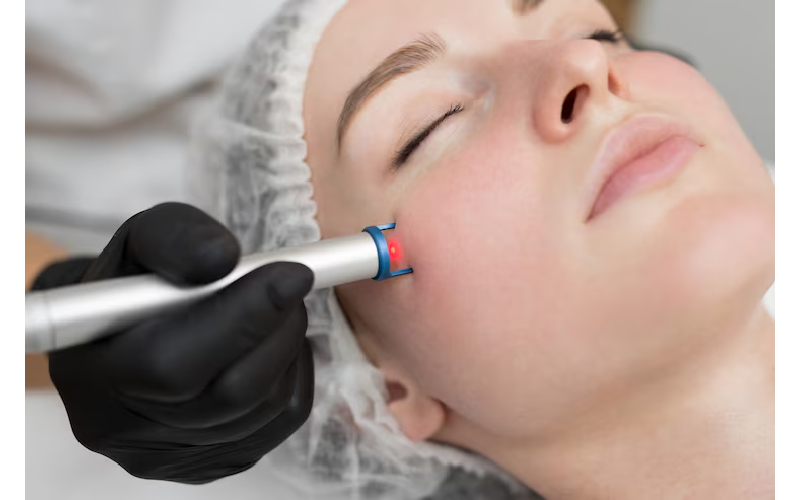
Melasma laser treatment works by targeting the excess melanin pigment responsible for dark patches on the skin, mainly caused by sun exposure, hormones, and genetics. Lasers like the Q-switched Nd:YAG deliver short pulses that break melanin into tiny particles, which the body then clears naturally. Fractional lasers create small thermal injuries to encourage skin turnover and collagen growth, helping renew pigmented areas without significant downtime. However, lasers are usually reserved for cases where creams or peels don’t help much because there’s a risk of side effects like irritation or pigmentation changes. Multiple sessions combined with topical treatments often give better results and lower chances of melasma coming back.
Understanding Melasma and Its Causes
Melasma laser treatment is a common skin condition that shows up as gray or brown patches, mostly on areas of the face exposed to the sun, like the cheeks, forehead, upper lip, and chin. It happens because melanocytes, the cells responsible for producing melanin—the pigment that gives skin its color—start making too much melanin. The main trigger for this overproduction is sun exposure, which activates melanocytes and worsens the pigmentation. Hormonal changes, especially during pregnancy or from birth control pills, also play a big role in causing or making melasma worse. Some medications and cosmetics can contribute as well. Genetics influence who gets melasma, with people who have darker skin tones being more prone. Women tend to develop melasma more often than men, likely due to these hormonal factors. Typically, melasma appears symmetrically on both sides of the face. While the patches are harmless medically, they can be upsetting because they are quite visible. Managing melasma effectively means avoiding known triggers like sun exposure alongside any treatment plan.

Reasons for Choosing Laser Treatment
Laser treatment for melasma is often chosen when topical creams and chemical peels fall short in delivering noticeable improvement. It works by directly targeting melanin deposits in the skin, breaking down pigment more quickly than many other methods. This makes laser therapy a good option for those seeking faster results or dealing with melasma that resists standard treatments. Some laser types also encourage new skin growth and boost collagen production, which can improve overall skin texture alongside reducing pigmentation. However, laser treatment is usually not the first choice because it carries risks such as inflammation and potential worsening of pigmentation if not done properly. The effectiveness and safety of the treatment depend heavily on selecting the right laser type based on skin tone, melasma severity, and individual risk factors. Proper technique and settings are essential to avoid side effects like post-inflammatory hyperpigmentation. Often, lasers are combined with topical agents like hydroquinone or tranexamic acid to enhance and prolong results. Patients should expect multiple sessions and ongoing skincare to maintain improvements, as melasma can recur. In summary, laser therapy is a valuable tool especially for resistant or stubborn melasma cases, offering a faster path to clearer skin when used with care and professional guidance.
- Laser therapy targets melanin deposits directly to reduce visible pigmentation.
- It is an alternative when topical creams and chemical peels do not give enough improvement.
- Lasers can speed up pigment clearing compared to some other treatments.
- Some laser types stimulate new skin growth and collagen, improving skin texture.
- Laser treatment is not usually the first option due to the risk of side effects like inflammation.
- It is often chosen for resistant melasma cases or when fast results are desired.
- Lasers can be combined with topical agents for better, longer-lasting results.
- The choice of laser depends on skin type, severity of melasma, and risk factors.
- Proper technique and settings are important to avoid worsening pigmentation.
- Patients need multiple sessions and ongoing care to maintain results.
Different Types of Lasers for Melasma
Several types of lasers are used to treat melasma, each working differently based on the skin type and severity of pigmentation. The most common laser is the Q-Switched Nd:YAG laser at 1064 nm wavelength, favored especially for darker skin tones. It delivers short, powerful pulses that break down melanin into smaller particles, which the body can then clear naturally. Low-fluence or low-energy QS Nd:YAG laser toning is popular because it reduces pigmentation with minimal injury to the skin, though improper use can lead to side effects like mottled depigmentation or post-inflammatory hyperpigmentation. Fractional nonablative lasers, such as the 1550 nm and 1540 nm Er:Glass lasers, work by creating tiny thermal zones in the skin. These micro-injuries stimulate skin renewal and collagen production, improving melasma with less downtime and fewer risks. These fractional lasers are FDA-approved for melasma and often preferred for their safety profile. More aggressive fractional ablative lasers like CO2 and Er:YAG target deeper layers but carry higher risks of side effects and are generally reserved for stubborn cases. Picosecond lasers use ultra-short pulses that target pigment with minimal heat, lowering the chance of thermal damage and side effects, making them a promising option though less commonly used. Intense Pulsed Light (IPL) devices deliver broad-spectrum light to address pigmentation but can sometimes worsen melasma, particularly in darker skin types, so patient selection is critical. Other lasers, including copper bromide and thulium fiber lasers, have been explored but show inconsistent results and are not routinely recommended. Choosing the right laser depends on balancing effectiveness with safety, especially considering melasma’s tendency to worsen with inflammation.
How Laser Treatment Works on Melanin?
Laser treatment targets melanin pigment in the skin by using specific wavelengths of light that melanin absorbs more readily than the surrounding tissue. This selective absorption leads to photothermolysis, a process where the laser energy heats and breaks melanin granules, called melanosomes, into smaller fragments. These tiny pigment pieces are then naturally cleared away by the body’s lymphatic system, which helps reduce the visible dark patches of melasma over time. Fractional lasers take a slightly different approach by creating microscopic skin injuries that stimulate the skin’s natural renewal process, encouraging faster turnover and boosting collagen production. This not only helps to fade pigmentation but also improves skin texture and tone. Low-fluence Q-Switched Nd:YAG laser toning is designed to target melanosomes without damaging melanocytes, the cells responsible for producing melanin, which lowers inflammation and decreases the risk of pigment coming back after treatment. The effectiveness of laser treatment depends heavily on choosing the right pulse duration and wavelength to focus energy on melanin while protecting surrounding skin layers. By breaking up the pigment and promoting skin renewal, laser therapy gradually lightens melasma patches over several sessions and can temporarily reset the activity of pigment-producing cells, helping to control the condition more effectively.
Typical Treatment Process and Results
Melasma laser treatment usually involves a series of 3 to 6 sessions spaced about 3 to 4 weeks apart. While some improvement can be seen after the very first session, full results generally take several months to develop, reflecting the gradual fading of pigmentation rather than an instant fix. Because melasma tends to recur, maintenance sessions may be necessary to sustain the improvements over time. Treatment plans are customized based on factors like your skin type, the severity of melasma, and how your skin responds to the lasers. Combining laser therapy with topical creams such as hydroquinone or tranexamic acid often enhances the outcome, and in more stubborn cases, chemical peels or oral medications can be added for better control. After each laser session, mild redness or swelling is common but usually fades quickly. Consistent sun protection during and after treatment is crucial to prevent new pigmentation from forming. Regular follow-up appointments help your provider adjust the treatment plan, monitor your progress, and catch any side effects or recurrence early. This approach ensures a tailored and effective path toward managing melasma over time.
Possible Side Effects and Risks
Laser treatment for melasma can lead to several side effects, with redness, swelling, and mild burning or stinging sensations being the most common immediately after a session. Some patients may notice temporary changes in skin color, such as slight darkening or lightening in the treated area. One serious concern is post-inflammatory hyperpigmentation (PIH), which is especially common among individuals with darker skin tones and can make melasma worse if not carefully managed. Aggressive or improper use of lasers may cause mottled hypopigmentation or uneven skin tone, which can be difficult to correct. Although rare, blistering and skin infections can happen if proper aftercare is neglected. Using the wrong laser type or incorrect settings can lead to worsening of melasma rather than improvement. Because darker skin types are more sensitive to these adverse effects, selecting the right laser and cautiously adjusting treatment parameters is essential. Many dermatologists perform test spots before full treatment to evaluate how the skin reacts, which helps minimize risks. Patients should be advised to promptly report any prolonged redness or unusual pigment changes to their provider. Proper counseling before treatment is crucial so patients understand the potential risks and realistic outcomes, helping them make informed decisions about laser therapy for melasma.
Aftercare Following Laser Treatment
After laser treatment for melasma, proper aftercare is crucial to protect your skin and maintain the results. Using a broad-spectrum sunscreen with a high SPF every day is essential to shield the treated areas from UV rays, which can trigger pigment recurrence or worsen melasma. Avoiding direct sun exposure, especially during peak hours, further minimizes the risk of relapse. Gentle skincare routines recommended by your dermatologist help support healing; avoid scrubbing, exfoliating, or applying harsh products on the treated skin at first to prevent irritation. Moisturizers play a key role in soothing the skin and reducing dryness or redness after treatment. Your doctor may also suggest continuing skin-lightening agents like hydroquinone after laser sessions to sustain improvement. It’s important to steer clear of heat sources such as saunas or hot baths shortly after treatment, as heat can aggravate inflammation. Attend all follow-up visits so your provider can monitor healing and adjust care as needed. If redness or swelling lasts longer than a few days, contact your healthcare professional promptly. Consistent aftercare reduces the chances of side effects and helps achieve better long-term outcomes.
Expert Guidelines for Laser Use in Melasma
Laser treatment for melasma should be reserved for cases that do not respond well to topical therapies or chemical peels, rather than as a first option. For individuals with darker skin tones, the low-fluence Q-switched Nd:YAG laser at 1064 nm is preferred because it minimizes the risk of side effects like post-inflammatory hyperpigmentation. However, laser therapy alone is rarely sufficient; combining it with topical agents such as hydroquinone or oral medications improves results and helps prevent recurrence. Fractional nonablative lasers, like the 1550 nm or 1540 nm wavelengths, have FDA approval and a strong safety record, making them a good choice for skin renewal with fewer complications. On the other hand, Q-switched ruby and Er:YAG lasers are generally avoided due to their higher risk of causing pigmentary problems. Careful patient selection and thorough skin assessment are essential to reduce adverse effects. Before full treatment, performing test spots allows practitioners to gauge how the skin will respond. Patients must be counseled clearly on realistic outcomes and the need for multiple sessions spaced several weeks apart. After treatment, strict sun protection and adherence to a dermatologist-recommended skincare routine are critical to maintain results and avoid worsening pigmentation. Regular follow-up visits help track progress and address any issues early, ensuring the best possible outcome.
Summary of Scientific Findings on Laser Treatment
Scientific studies confirm that laser treatments can effectively break down melanin pigment, leading to noticeable improvement in melasma’s appearance. Among the various laser types, low-fluence Q-Switched Nd:YAG laser toning is supported by clinical evidence as a safer and more effective option for individuals with darker skin tones, helping reduce pigmentation while minimizing risks like post-inflammatory hyperpigmentation (PIH). Fractional lasers contribute by stimulating collagen production and promoting skin turnover, which improves overall skin texture alongside pigment reduction. Research consistently shows that combining laser therapy with topical or oral agents, such as hydroquinone or tranexamic acid, yields better and longer-lasting results than lasers used alone. Despite these advances, melasma recurrence remains a significant challenge, emphasizing the importance of patient adherence to sun protection and aftercare routines to sustain benefits. Current scientific reviews recommend using lasers as part of a multi-modal treatment strategy rather than as the sole approach. Ongoing research aims to optimize laser parameters to enhance treatment effectiveness while reducing side effects. Although risks like PIH and mottled depigmentation are reported, careful patient selection, test spots, and proper technique can minimize these issues. Overall, lasers play a valuable role in managing melasma, especially when integrated thoughtfully with other therapies and diligent patient compliance.
Frequently Asked Questions
1. How does melasma laser treatment target the dark spots on my skin?
Melasma laser treatment works by using focused light beams to break down the excess melanin, which causes the dark spots. The laser targets these pigment clusters without harming the surrounding skin, helping to lighten and even out your skin tone over time.
2. Are there different types of lasers used for melasma, and how do they affect the results?
Yes, various lasers such as Q-switched lasers and fractional lasers can be used for melasma. Each type works differently: some focus on breaking pigment particles, while others help with skin regeneration. The choice depends on your skin type and the severity of melasma, affecting both effectiveness and recovery.
3. What happens to my skin immediately after the laser treatment for melasma?
After the treatment, your skin may look a bit red and swollen, similar to a mild sunburn. You might also notice some darkening of the pigmented areas before they start to fade. This is a normal stage in the healing process and usually improves within a few days to a week.
4. Why might melasma return even after laser treatment, and how can it be managed?
Melasma can come back because it’s often linked to triggers like sun exposure, hormonal changes, or genetics. Even after laser treatment clears the spots, these factors can cause melasma to redevelop. Protecting your skin with sunscreen and following a skin care routine recommended by your doctor can help keep it under control.
5. Is laser treatment for melasma safe for all skin tones, and what precautions are needed?
Laser treatment can be safe for most skin tones, but darker skin requires extra care because it’s more prone to discoloration or scarring after treatment. Doctors usually adjust laser settings or use special types of lasers to reduce risks. It’s important to have a consult with a specialist who understands how to treat different skin types safely.
TL;DR Melasma causes dark patches on sun-exposed skin due to excess melanin. Laser treatments, especially low-fluence Q-switched Nd:YAG and fractional nonablative lasers, target melanin to break it down and boost skin renewal. Typically, multiple sessions combined with topical agents offer better results. Risks include redness, pigmentation changes, and possible worsening, so careful patient selection and sun protection are crucial. Lasers help reduce melasma but are not a cure, and recurrence is common. Expert guidelines stress combining treatments and monitoring to minimize side effects and improve outcomes.