

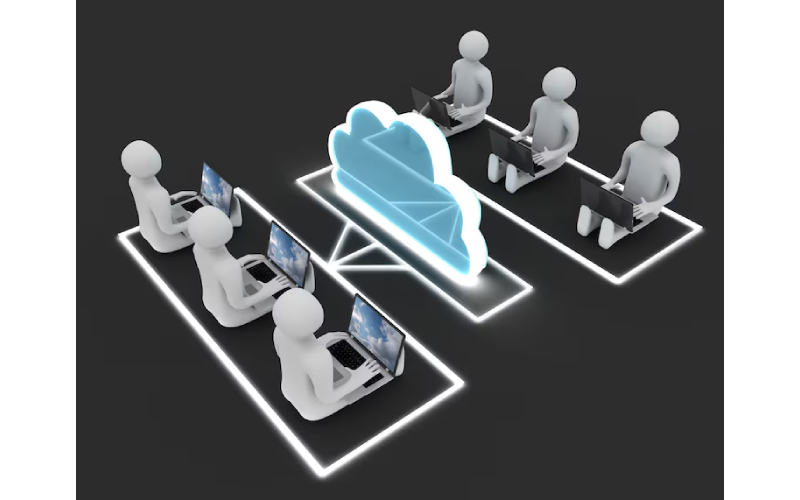
Cloud-based Human Resource Management Systems (HRMS) are software tools that manage various HR functions like payroll and recruitment through the cloud, making them accessible anywhere. They’re appealing because they cut down on IT costs by reducing the need for on-premise servers and offer subscription models that lower upfront expenses. Plus, they can grow with your business, easily adding new features as needed. Employees enjoy convenient access to their information through self-service portals, which increases engagement. With strong data security and compliance support from providers, plus user-friendly interfaces and vendor assistance, this investment presents lasting operational advantages worthwhile for many organizations considering the future of their HR activities.
1. What is Cloud Based HRMS Software?
Cloud Based HRMS Software solutions that help companies manage various HR functions. These functions include recruitment, payroll, performance reviews, and storing employee data. What sets cloud HRMS apart is that it operates through cloud computing, allowing access from anywhere with an internet connection. This remote accessibility is particularly beneficial in today’s work environment, as it supports the growing trend of remote work and flexible schedules.
One of the standout features of cloud HRMS is cost-effectiveness. By using cloud-based solutions, organizations can significantly lower their IT costs since there’s no need for expensive on-premise servers. Many providers offer a subscription-based model, which reduces upfront capital expenditures and usually includes maintenance and upgrades as part of the service.
The scalability of cloud HRMS is another advantage. As a business grows, its HR needs can change. A cloud HRMS can easily adapt, allowing companies to scale their systems and add modules or features as required. This flexibility makes it a practical choice for businesses of all sizes.
Further enhancing its appeal, cloud HRMS solutions often boast user-friendly interfaces, making them accessible even to those with limited tech skills. This ease of use can speed up implementation and reduce the training time required for employees.
Security is a common concern for businesses when it comes to managing sensitive employee data. Most cloud HRMS providers invest significantly in robust security measures, ensuring that data is protected from breaches. Additionally, these systems often include built-in compliance features, helping organizations adhere to labor laws and regulations effortlessly.
Lastly, cloud HRMS solutions facilitate integration with other business applications, such as customer relationship management (CRM) and accounting software. This integration streamlines processes across departments and improves data accuracy, ultimately leading to better decision-making and operational efficiency.

2. Exploring Cost-Effectiveness of Cloud HRMS
Cloud Based Human Resource Management Systems (HRMS) offer a modern approach to managing HR functions like recruitment, payroll, and employee data. One of the key advantages is cost-effectiveness. For starters, businesses can significantly reduce their IT expenses. There’s no need for costly on-premise servers, which can be a major burden, especially for smaller organizations. Instead, cloud HRMS typically operate on a subscription basis, allowing companies to avoid heavy upfront capital expenditures. Maintenance and software upgrades are usually included in the service, which means less hassle and financial strain on internal resources.
Another important aspect is scalability. As businesses grow, their HR needs evolve. Cloud HRMS solutions can easily adapt to these changes, accommodating additional features or modules as required. This flexibility means that companies aren’t stuck with a system that can’t keep up with their growth, avoiding unnecessary costs down the line.
Accessibility is another benefit that contributes to cost-effectiveness. Employees and HR managers can access the system from anywhere, making remote work seamless. This not only enhances productivity but also fosters employee engagement through self-service portals where they can manage their personal information and benefits.
Integration with other tools is another cost-saving feature. Cloud HRMS can easily connect with other business applications, streamlining processes across departments. This integration improves data accuracy and minimizes the chances of errors that could lead to costly mistakes.
When it comes to data security and compliance, most cloud HRMS providers invest heavily in security measures. This reduces the risk of data breaches, which can be financially devastating. Additionally, built-in compliance features help businesses navigate labor laws and regulations more effortlessly.
Real-time data and analytics are also valuable. With these features, HR departments can track key metrics like employee performance and turnover rates, leading to more informed decision-making. Combined with user-friendly interfaces, the adoption of cloud HRMS becomes quicker and less expensive, as training time for employees is often reduced.
Lastly, the robust vendor support that comes with cloud-based solutions can alleviate the burden on internal IT teams. Having access to 24/7 support and training resources can save organizations both time and money. Overall, while the initial costs may seem considerable, the long-term savings and efficiencies make cloud-based HRMS a worthwhile investment.
3. Scalability: Adapting to Business Growth
Cloud-based HRMS software stands out for its scalability, making it an appealing choice for businesses of all sizes. As companies grow, their HR needs evolve. A cloud HRMS allows organizations to easily expand their capabilities without the need for extensive infrastructure changes. For instance, if a company initially uses basic modules for employee data and payroll, it can later add functionalities like performance management or advanced analytics as it grows. This flexibility ensures that businesses are not locked into a rigid system that may not meet future demands.
Additionally, with a subscription-based model, organizations can scale their HRMS in line with their workforce size. Whether adding new users or integrating additional features, the cloud solution adjusts seamlessly to these changes. This adaptability not only saves time but also reduces the costs typically associated with upgrading or migrating to a new system. As a result, businesses can focus more on their growth strategies instead of getting bogged down by HR software limitations.
4. Accessibility: Work from Anywhere
Cloud-based HRMS software enhances accessibility, allowing employees and HR managers to work from virtually anywhere with an internet connection. This flexibility supports the growing trend of remote work, empowering teams to stay connected, collaborate, and manage their tasks seamlessly, regardless of their physical location. For instance, an HR manager can easily review applications or approve leave requests while traveling, ensuring that business operations remain smooth and uninterrupted. Additionally, self-service portals provide employees with a user-friendly interface to manage their personal information and benefits, which boosts engagement and reduces the workload on HR staff. By removing geographical barriers, cloud HRMS fosters a culture of openness and responsiveness, making it easier for organizations to adapt to changing circumstances.
5. Integration with Other Business Tools
Cloud-based HRMS software excels in its ability to integrate seamlessly with various business applications. This means that organizations can connect their HR functions with other critical tools such as Customer Relationship Management (CRM) systems, accounting software, and project management platforms. For instance, when a new employee is onboarded, their data can automatically sync with payroll and CRM systems, ensuring that all teams have the most current information without the need for manual entry. This integration not only streamlines processes between departments but also enhances data accuracy, reducing the likelihood of errors that can occur with separate systems. By having a unified platform, businesses can improve collaboration across teams and make more informed decisions based on comprehensive data insights.
6. Data Security and Compliance Features
Cloud-based HRMS solutions prioritize data security and compliance, making them a smart choice for organizations handling sensitive employee information. These systems are designed with robust security measures, such as encryption and regular security audits, to protect data from breaches and unauthorized access. For instance, a company using a cloud HRMS can rest assured that employee records, payroll data, and personal information are safeguarded against cyber threats.
Moreover, many cloud HRMS providers integrate compliance features that help businesses adhere to various labor laws and regulations. This is particularly vital in industries where compliance is heavily regulated. For example, a company in the healthcare sector can leverage built-in compliance tools to ensure they meet HIPAA requirements without the need for extensive manual processes.
The ability to automatically update these compliance features as laws change further reduces the burden on HR teams, allowing them to focus on strategic initiatives rather than constantly monitoring legal requirements. This combination of security and compliance not only protects the organization but also builds trust among employees, knowing their data is handled responsibly.
7. Real-Time Data and Analytics Benefits
Cloud-based HRMS software excels in providing real-time data and analytics, which can significantly enhance decision-making processes within an organization. By harnessing real-time reporting capabilities, HR departments can track critical metrics such as employee performance, turnover rates, and recruitment efficiency without delay. For instance, if a company notices a spike in turnover rates, it can quickly analyze the data to identify trends, such as specific departments or roles experiencing high attrition. This immediate access to information allows HR teams to react swiftly, implementing strategies to address issues before they escalate.
Moreover, real-time analytics empower organizations to make data-driven decisions that align with their strategic goals. For example, by analyzing recruitment data in real time, HR managers can adjust their hiring strategies on the fly, ensuring they attract the right talent efficiently. This adaptability not only saves time but also resources, ultimately leading to a more effective workforce. In an era where timely information is crucial, the ability to access and analyze data in real time is a substantial advantage for any organization.
8. User-Friendly Interfaces for Easy Adoption
Cloud-based HRMS solutions often feature user-friendly interfaces that make them accessible to a wide range of users, regardless of their technical expertise. This intuitive design not only enhances the user experience but also speeds up the adoption process within organizations. For example, a well-designed dashboard can allow HR professionals to navigate through employee records, payroll information, and analytics with ease, minimizing the learning curve.
Additionally, self-service portals empower employees to manage their own information, like updating personal details or accessing pay stubs, further reducing the reliance on HR staff. This level of accessibility encourages employees to engage with the system actively, fostering a sense of ownership over their data. With reduced training time and seamless navigation, companies can implement these systems quickly, leading to faster realization of benefits. Overall, user-friendly interfaces play a crucial role in ensuring that cloud-based HRMS solutions are embraced by all members of the organization.
9. Importance of Vendor Support
Vendor support is a crucial aspect of cloud-based HRMS software that can significantly influence its effectiveness. Having robust customer support, often available 24/7, ensures that businesses can quickly resolve issues or seek assistance when needed. This is especially important for organizations that may not have extensive IT resources. For instance, if an HR team encounters a technical glitch during payroll processing, prompt vendor support can help minimize disruptions. Additionally, many vendors offer online resources, training sessions, and documentation, making it easier for users to familiarize themselves with the system. This not only enhances user experience but also reduces the burden on internal IT teams, allowing them to focus on other critical tasks. Overall, reliable vendor support can make the difference between a smooth implementation and a frustrating experience.
10. Key Considerations Before Investing
Investing in cloud-based HRMS software requires careful thought. First, assess your organization’s specific needs, such as the number of employees and the features that will benefit your HR processes. For instance, a small startup may prioritize recruitment and onboarding tools, while a larger corporation might require advanced analytics and compliance features.
Next, consider the budget. Subscription models can save on upfront costs, but it’s vital to understand the long-term financial implications. Hidden fees or costs for additional modules can impact your overall investment.
Vendor reliability is another crucial factor. Research potential providers, looking into their reputation, customer reviews, and support services. A vendor with strong customer service can make a significant difference in your experience, especially during implementation.
Lastly, think about the long-term benefits. A good HRMS should not only meet your current needs but also adapt as your organization grows. This adaptability can lead to enhanced employee experiences and operational efficiencies over time.
- Assess your current HR needs and processes
- Evaluate the features offered by different HRMS solutions
- Consider the scalability options based on future growth
- Review integration capabilities with existing systems
- Analyze the data security measures and compliance standards
- Look into the level of customer support and training provided
- Check user reviews and case studies for real-world experiences
11. Long-term Benefits of Cloud HRMS Investment
Investing in cloud-based HRMS software brings several long-term advantages that go beyond immediate operational needs. One significant benefit is the ability to achieve lasting operational efficiencies. As organizations adopt these systems, they can streamline HR processes, reducing time spent on administrative tasks and allowing HR teams to focus on more strategic initiatives. For instance, by automating payroll and benefits management, HR professionals can minimize errors and ensure timely payments, fostering trust and satisfaction among employees.
Another key advantage is the improved employee experience. With self-service portals, employees can easily manage their personal information, benefits, and requests. This accessibility not only empowers employees but also enhances engagement and retention. For example, when employees can quickly update their information or access their pay stubs online, they feel more in control of their work-life, boosting morale.
Additionally, cloud HRMS systems offer scalability, which is essential for growing businesses. As companies expand, they can seamlessly add new features or modules to their HRMS without significant overhauls. This adaptability ensures that the system remains aligned with the organization’s evolving needs, providing consistent value over time.
The use of real-time data and analytics is another long-term benefit. By leveraging these insights, HR departments can make informed decisions that drive organizational growth. For example, tracking turnover rates can help identify trends and inform retention strategies, ultimately saving costs associated with high employee turnover.
Finally, the robust vendor support that typically accompanies cloud HRMS solutions means that organizations can rely on expert assistance as they navigate changes and challenges. This support helps to alleviate the burden on internal IT teams, allowing them to focus on other critical areas. Together, these long-term benefits illustrate that the initial investment in cloud-based HRMS software can lead to significant returns, enhancing both operational efficiency and employee satisfaction.
Frequently Asked Questions
1. What is cloud-based HRMS software?
Cloud-based HRMS software is a system that helps companies manage their human resources functions online. It includes tools for things like payroll, employee data, and benefits, all accessible from anywhere with an internet connection.
2. How does cloud-based HRMS improve efficiency?
Cloud-based HRMS improves efficiency by automating routine tasks such as payroll processing and attendance tracking. This means HR teams spend less time on paperwork and more time on important tasks that can help the company grow.
3. Can a cloud-based HRMS be easily updated?
Yes, cloud-based HRMS software can usually be updated easily and automatically. This ensures that you always have the latest features and security fixes without needing to manage the updates yourself.
4. Is it safe to store employee data in the cloud?
Storing employee data in the cloud can be safe if you choose reputable software providers. They use strong security measures to protect sensitive information, so it’s important to research the systems you’re considering.
5. What if my company grows, can the HRMS handle it?
Most cloud-based HRMS systems are designed to scale with your business. As your company grows, you can often add more features or users without needing to switch to a new system.
TL;DR Cloud-based HRMS software streamlines HR functions like recruitment and payroll through remote access and scalability. It can be cost-effective due to lower IT costs and subscription models. The system grows with your business, is accessible from anywhere, and integrates with other tools. Enhanced data security and compliance features are common. Real-time analytics and user-friendly interfaces facilitate decision-making and adoption. Robust vendor support alleviates internal IT burdens. Evaluating your specific needs and vendor reliability is crucial before investing. Ultimately, the long-term benefits of efficiency and improved employee experience make it a worthwhile investment.