

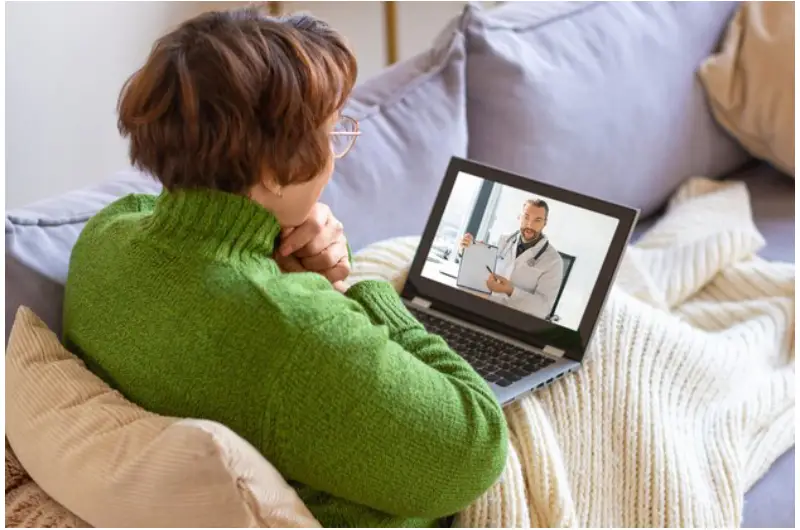
In recent years, mental health awareness has increased significantly, leading more individuals to seek professional support. With advancements in technology, the way people access therapy has evolved, giving rise to the rapid growth of mental health counseling online. This shift has made mental health services more accessible, affordable, and convenient for individuals worldwide. The increasing reliance on digital platforms for emotional and psychological support is transforming how therapy is delivered, making it a preferred choice for many.
The Convenience Of Mental Health Counseling Online
One of the key reasons for the rise of mental health counseling online is convenience. Traditional therapy often requires individuals to travel to a therapist’s office, schedule appointments well in advance, and navigate logistical challenges. Online therapy eliminates these barriers by allowing individuals to connect with professional counselors from the comfort of their own homes. This level of accessibility is particularly beneficial for those with busy schedules, mobility limitations, or those who live in remote areas where in-person therapy options may be scarce.

Affordability And Cost-Effectiveness
Traditional therapy sessions can be expensive, often costing between $100 to $200 per session, depending on the therapist’s qualifications and location. In contrast, mental health counseling online provides a more cost-effective alternative. Many online therapy platforms offer subscription-based services or lower per-session costs, making therapy more affordable for a larger population. Additionally, online counseling reduces costs associated with commuting and time away from work, making it a financially viable option for many seeking mental health support.
Increased Accessibility And Inclusivity
Not everyone has easy access to traditional mental health services. Individuals in rural areas, those with disabilities, or those facing financial difficulties may find it difficult to visit a therapist in person. Mental health counseling online removes these barriers by providing a platform where individuals can access therapy anytime and from anywhere. Additionally, online therapy platforms often provide multilingual services and culturally diverse counselors, ensuring that more people can receive help tailored to their unique backgrounds and experiences.
Anonymity And Privacy
Many individuals hesitate to seek therapy due to the stigma associated with mental health issues. The ability to engage in mental health counseling online provides a level of anonymity that can encourage more people to seek help. Online platforms offer secure and private communication channels where clients can connect with their therapists without the fear of being judged. This confidentiality makes it easier for individuals to open up about their struggles, leading to more effective therapy sessions.
The Role Of Technology In Online Counseling
The integration of technology into mental health services has made therapy more dynamic and interactive. Video conferencing, chat-based therapy, and AI-driven mental health apps have expanded the scope of mental health counseling online. These digital tools allow individuals to engage in therapy in a way that suits their preferences, whether through live sessions, text-based communication, or even self-help resources. The use of technology has also enabled therapists to track progress more efficiently and provide tailored recommendations based on client needs.
Effectiveness Of Online Therapy
Research suggests that mental health counseling online can be just as effective as traditional face-to-face therapy. Numerous studies have found that individuals receiving therapy via online platforms experience significant improvements in their mental well-being, particularly for conditions such as anxiety, depression, and PTSD. Cognitive Behavioral Therapy (CBT) delivered online has proven to be a highly effective approach for treating a variety of mental health concerns. With licensed professionals providing structured therapy sessions, clients can achieve positive outcomes similar to those of in-person counseling.
Flexibility In Therapy Sessions
Unlike traditional therapy, which often follows a rigid schedule, mental health counseling online offers greater flexibility. Many online therapy services provide on-demand sessions, allowing clients to connect with therapists at their convenience. Some platforms even offer asynchronous communication, where clients can message their therapists at any time and receive responses within a set timeframe. This flexibility makes therapy more adaptable to the needs of modern individuals who may struggle with time constraints and unpredictable schedules.
The Role Of Online Counseling In Crisis Situations
Another reason mental health counseling online is growing in popularity is its ability to provide immediate support during crisis situations. Many online therapy platforms offer 24/7 crisis intervention services, ensuring that individuals facing acute distress can access help when they need it the most. Additionally, mental health chatbots and digital support groups provide continuous support for individuals who may require emotional assistance outside of traditional therapy hours.
The Growing Acceptance Of Digital Mental Health Services
As more people become comfortable with digital interactions, the stigma surrounding online therapy is diminishing. Employers, healthcare providers, and insurance companies are recognizing the benefits of mental health counseling online and are increasingly incorporating it into their wellness programs. The global acceptance of telehealth services, particularly following the COVID-19 pandemic, has further solidified online therapy as a legitimate and effective option for mental health care.
Future Of Mental Health Counseling Online
The future of mental health counseling online looks promising, with continuous advancements in artificial intelligence, virtual reality, and digital therapy tools. AI-driven chatbots and self-help programs are being integrated into therapy platforms to enhance user experience. Virtual reality therapy is also emerging as an innovative way to treat phobias, PTSD, and anxiety disorders. As these technologies continue to evolve, online mental health counseling will likely become even more effective and widely accessible.
Conclusion
The increasing popularity of mental health counseling online is a testament to the growing need for accessible, flexible, and cost-effective mental health services. With its convenience, affordability, and effectiveness, online therapy is transforming the way individuals seek and receive mental health support. As technology continues to advance, online counseling will remain a vital part of mental health care, providing individuals with the resources they need to improve their emotional well-being. Whether through video calls, chat-based therapy, or AI-driven support, online counseling is here to stay, shaping the future of mental health treatment for years to come.